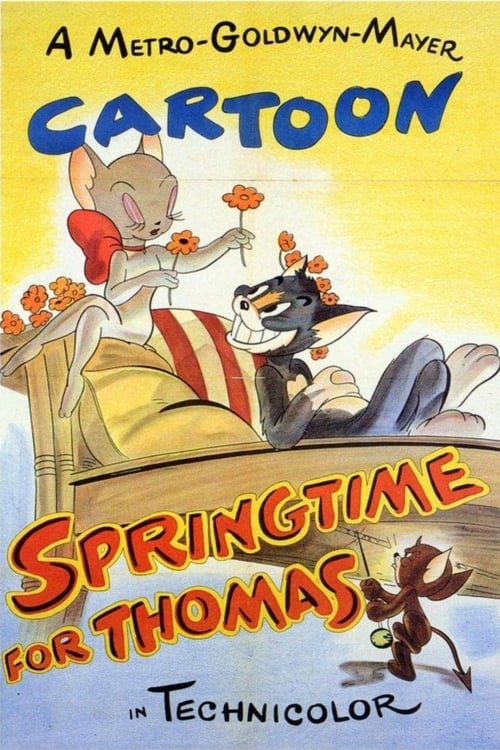
Springtime for Thomas
1946
No user ratings available yet
Representation score: 0.4 out of 10
Representation Score
Minimal
1942
NRDirector
Joseph Barbera, William Hanna
Runtime
7 minutes
Average Rating
No ratings yetNew Showbiz Analysis
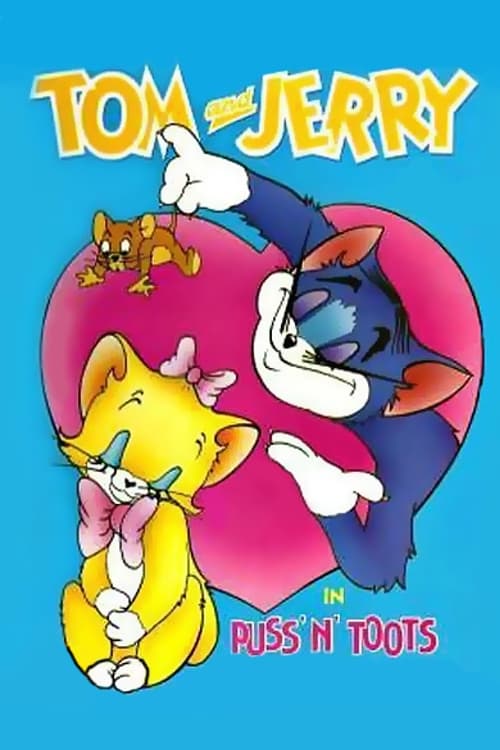
Puss n' Toots is a product of its temporal context, relying on comedic archetypes and social hierarchies common in the early 1940s. The plot revolves around a traditional romance, limiting the scope of identity representation. The film leans on established gender and racial clichés. Female characters primarily function as romantic catalysts, while character naming conventions reflect historical racial stereotypes. The work does not attempt to challenge or critique the social structures of its time. Overall, the film operates as a standard domestic comedy that upholds the status quo without offering diverse perspectives.
Category Breakdown
The story focuses on a traditional romantic relationship between a male and a female character. There is no representation of LGBTQ+ identities or narratives that challenge the assumption that everyone is straight or cisgender.
Female characters mainly serve as objects of affection or catalysts for male motivation. The narrative adheres to mid-century gender roles without challenging these traditional hierarchies.
The inclusion of a character named 'Mammy' reflects historical racial stereotypes and domestic service clichés common in 1942. This indicates a reliance on casting patterns typical of that era.
The film emphasizes the social norms of the early 1940s, focusing on domesticity and courtship. It does not offer any systemic critique or secular themes.
There is no mention of characters with visible or invisible disabilities within the narrative.
Present on Screen
Limited or Absent
Official Synopsis
Tom is playing with Jerry when a cute lady cat is delivered to Mammy for her to take care of. Tom is smitten at first sight.
1946
1955
1949
1947
1949
1956
1952
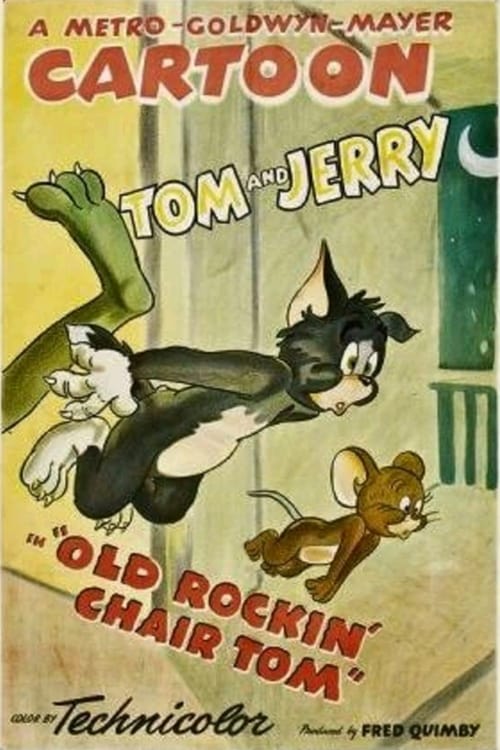
1948
No reviews yet. Be the first to share your thoughts on this movie!
Use the rating form above to leave a star rating and optional review.