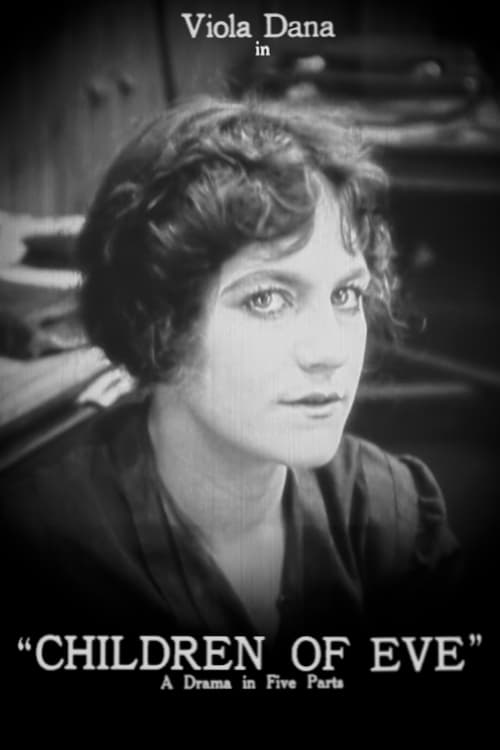
Children of Eve
1915
No user ratings available yet
Representation score: 1.7 out of 10
Representation Score
Limited
1919
Not RatedDirector
D.W. Griffith
Runtime
99 minutes
Average Rating
No ratings yetNew Showbiz Analysis
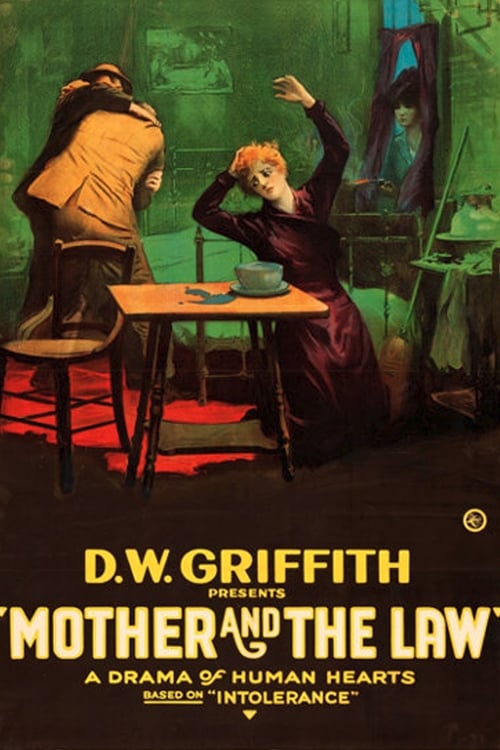
The Mother and the Law serves as a gritty social critique of the post-WWI American landscape. It moves away from traditional domestic stability to highlight the friction between individual survival and systemic pressures like labor unrest and criminal justice. While the film lacks modern identity-based representation, such as LGBTQ+ or disability narratives, it excels in its early engagement with class struggle. It deconstructs the American Dream by showing how economic and moralistic pressures ruin working-class lives. The film's primary strength is its anti-capitalist lens, framing systemic forces rather than individual morality as the drivers of social dysfunction.
Category Breakdown
The film focuses on traditional family structures under stress. There is no evidence of non-traditional gender identities or narratives challenging the assumption that everyone is straight or cisgender.
The narrative centers on a maternal figure, suggesting women play a significant role in driving the story. This focus explores women navigating systemic collapse and emotional survival.
The cast likely reflects the demographic homogeneity common to the time period. There is no evidence of non-white protagonists or diverse racial casting.
The film engages with socio-economic tensions by critiquing ruthless capitalists and moral puritanism. It views traditional institutions as oppressive forces against those sidelined by broader social or institutional forces.
There is no specific evidence regarding the portrayal of physical or neurodivergent disabilities within this work.
Present on Screen
Limited or Absent
Official Synopsis
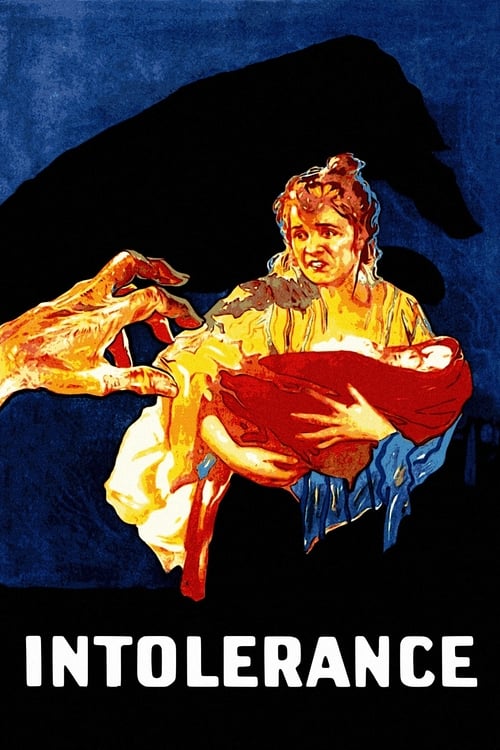
A re-edited version of the fourth episode of Intolerance (1916); two youth are made homeless by a strike, and struggle valiantly to survive their desolate situation, which worsens as reform-minded citizens remove the couple's child from their care and the young father is falsely accused and convicted of murder.
1915

1931
1920

1920

1936
1916
1932

1925
No reviews yet. Be the first to share your thoughts on this movie!
Use the rating form above to leave a star rating and optional review.