La Chienne
1931
No user ratings available yet
Representation score: 3.0 out of 10
Representation Score
Fair
1923
Director
Karl Grune
Runtime
79 minutes
Average Rating
No ratings yetNew Showbiz Analysis
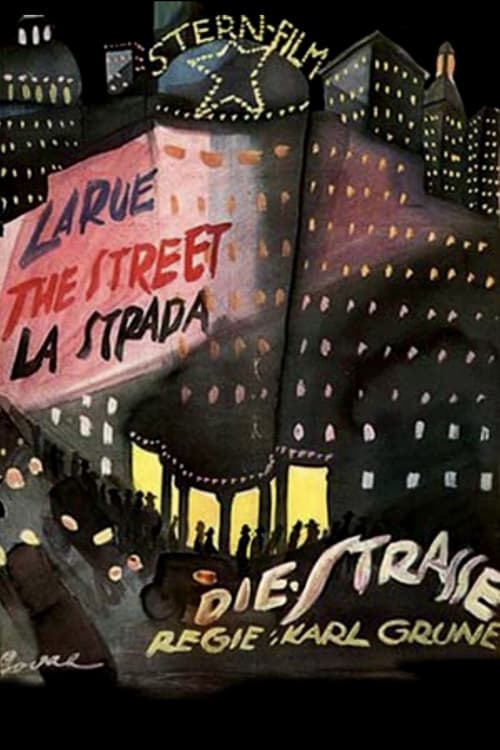
Karl Grune’s *The Street* is a masterclass in German Expressionism that prioritizes psychological depth and social critique over diverse casting. While the film lacks representation of LGBTQ+ identities and racial diversity, it excels in its atmospheric deconstruction of the modern metropolis. The film’s strength lies in its nuanced handling of disability and its critical look at industrial capitalism. By focusing on the interdependence of a blind man and his grandson, the film avoids exploitative clichés, offering instead a study of human connection amidst urban alienation. Ultimately, the film reflects the homogeneous social landscape of 1920s Berlin while providing a sophisticated look at how the city fractures traditional social and moral roles.
Category Breakdown
The film does not explicitly depict LGBTQ+ identities or same-sex relationships. It focuses more on psychological isolation than on queer identity.
Women in the film navigate moral complexities and face systemic dangers within the city. This portrayal moves away from idealized domestic femininity, though characters are still affected by urban chaos.
The cast appears largely uniform, reflecting the social realities of Weimar-era Berlin. The narrative emphasizes class struggle over ethnic or racial diversity.
The film critiques modern institutions and the dehumanizing effects of industrial capitalism. It presents a sophisticated narrative focused on moral relativism driven by urban desperation.
A significant subplot involves a blind man and his grandson, highlighting their interdependence and providing a deeper exploration of human vulnerability and connection.
Present on Screen
Limited or Absent
Official Synopsis
The movie follows two distinct plot lines until the two eventually merge: the first is that of the bored middle-aged man seeking a departure from monotony in his life; the second is that of the blind man and the little boy, his grandson, who are interdependent. None of the characters have been given names and are therefore referred to only by description. The city is an expressionistic nightmare, a dangerous and chaotic place.
1931
1929
1955
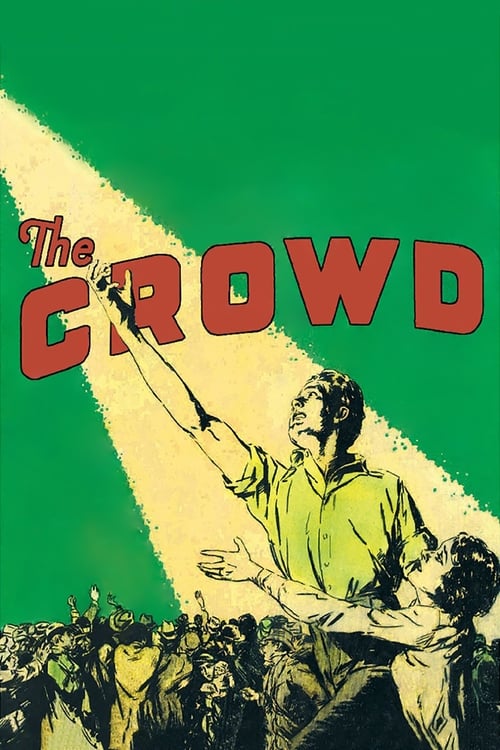
1928
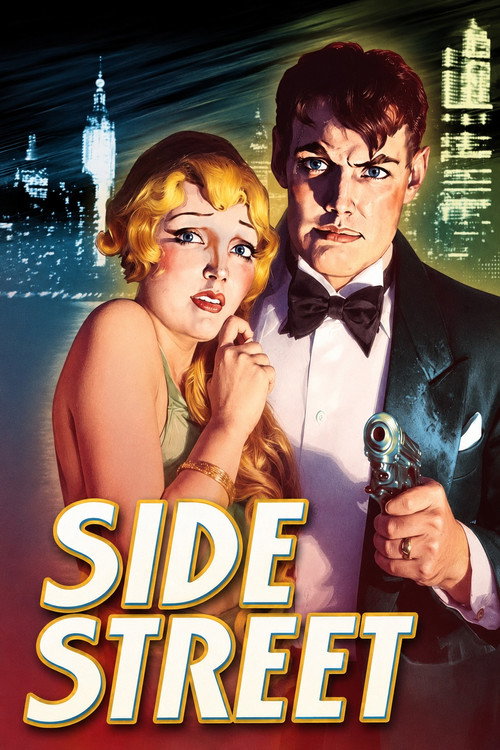
1929

1977
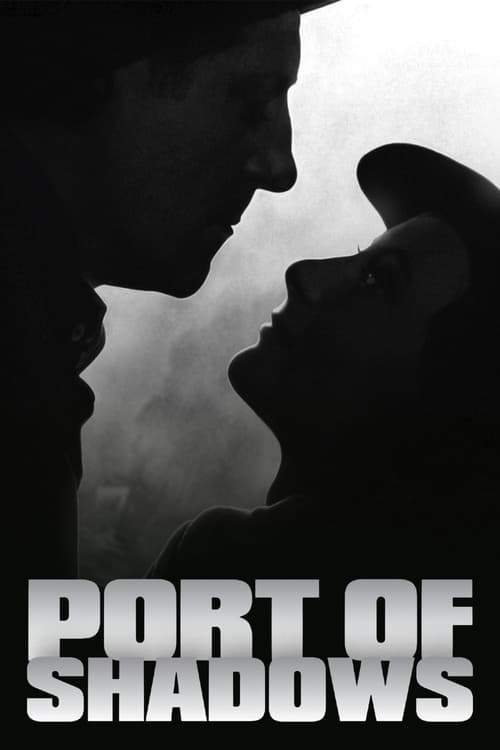
1938
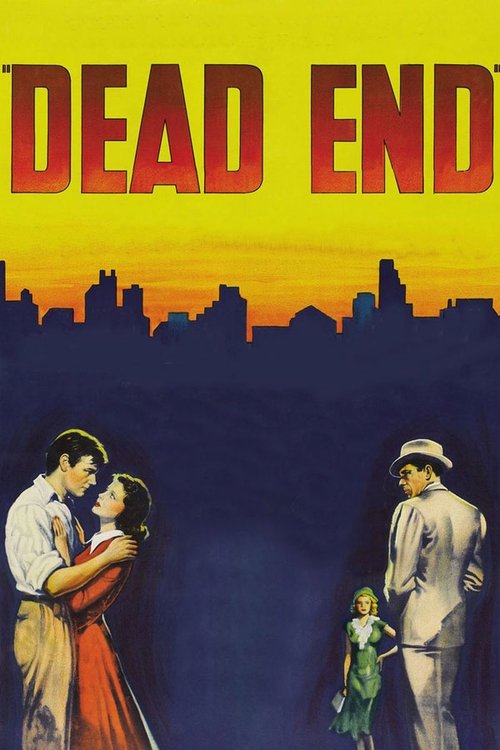
1937
No reviews yet. Be the first to share your thoughts on this movie!
Use the rating form above to leave a star rating and optional review.