
Police Officer
1933
No user ratings available yet
Representation score: 4.3 out of 10
Representation Score
Good
1930
TV-MADirector
Yasujirō Ozu
Runtime
66 minutes
Average Rating
No ratings yetNew Showbiz Analysis
Yasujirō Ozu’s early work examines the tension between systemic economic failure and personal survival during the Great Depression. The film questions simplistic morality by focusing on a crime driven by the need to preserve the family. While the film does not feature modern markers of diversity, it provides a nuanced view of how economic pressures can destabilize social structures. The narrative highlights the breakdown of stability caused by socioeconomic stress rather than individual misconduct. Ultimately, the film serves as a historical study of Japanese social identity, using a domestic crisis to critique the economic systems that force individuals into desperate, illegal actions.
Category Breakdown
The film does not include any non-straight relationships or queer narratives. It follows the traditional social structures of 1930s Japanese cinema.
The story revolves around a father's desire to protect his daughter, reinforcing traditional patriarchal roles. Economic hardship, however, threatens to disrupt the stable family environment.
With a culturally homogeneous cast, the film serves as a historical record of Japanese society during a period of change.
The narrative challenges conventional morality by presenting robbery as a response to systemic economic issues. Family survival takes precedence over legal and property rights.
A child's serious illness serves as the main catalyst for the plot. There is a risk that the illness is used merely as a device to drive the crime narrative.
Present on Screen
Limited or Absent
Official Synopsis
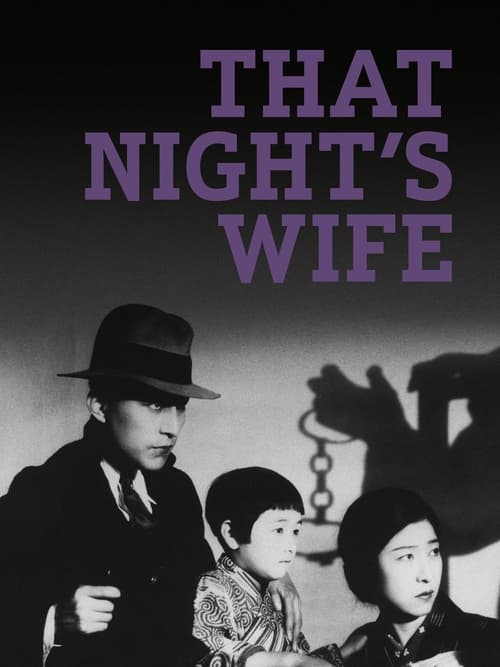
In Depression-era Japan, a man commits a robbery to save his critically ill daughter and escapes with the funds, but complications arise.
1933

1931
1936

1949
1930

1939
1931
1955
No reviews yet. Be the first to share your thoughts on this movie!
Use the rating form above to leave a star rating and optional review.