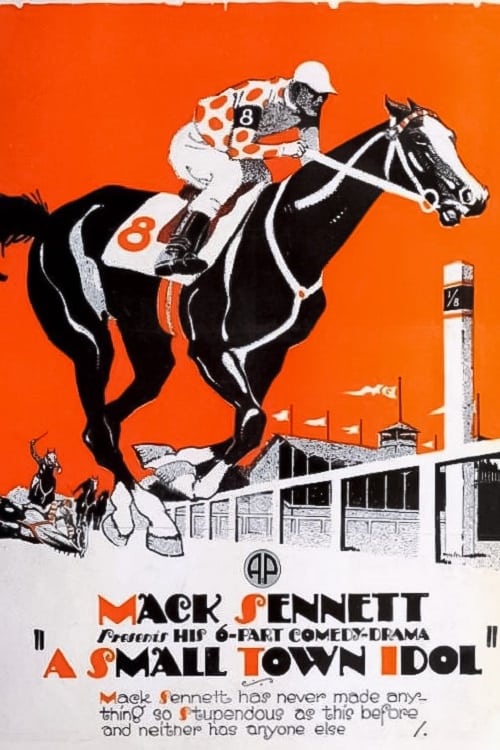
A Small Town Idol
1921
No user ratings available yet
Diversity score: 2.4 out of 10
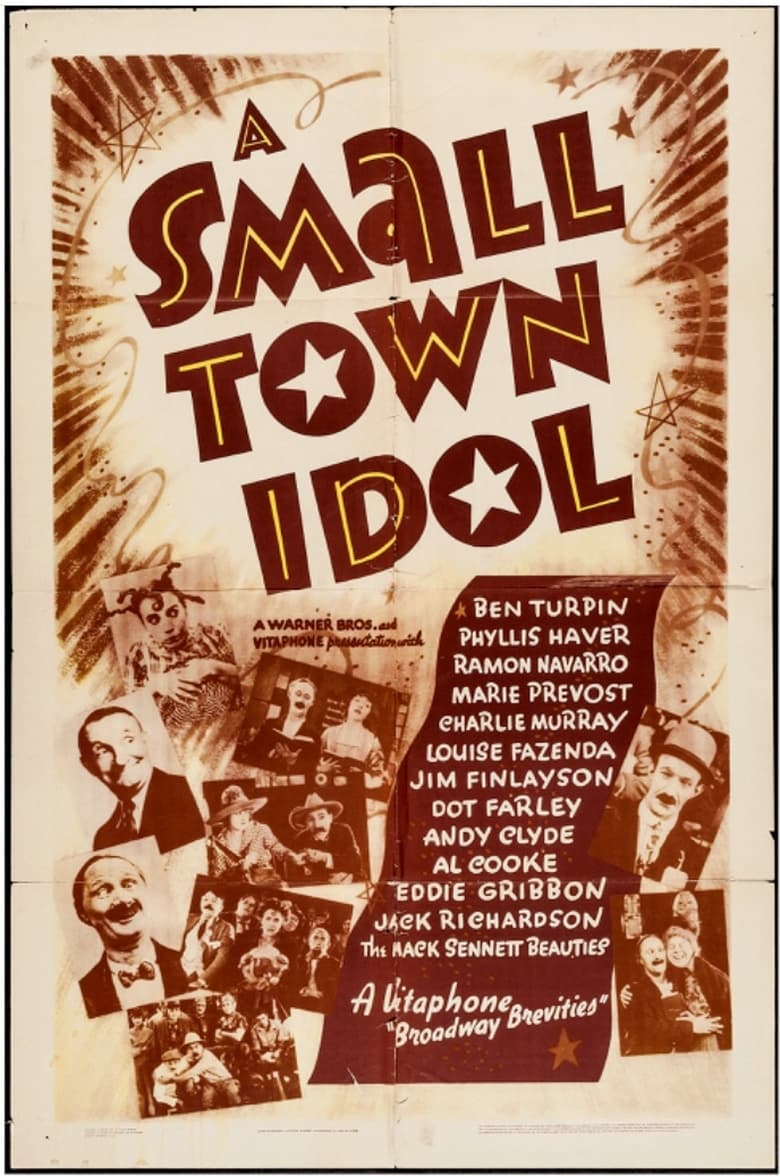
1939
ApprovedDirector
Erle C. Kenton
Runtime
21 minutes
Average Rating
No ratings yetSynopsis
In Sleepytown, cross-eyed Sam Smith and Mary Brown are about to get married. But the scoundrel, Jim Jones, wants Mary for himself. Jim uses a publicity still that Sam sent away for against him to show Sam the cad in the eyes of Mary. Disgraced and without Mary, Sam leaves town and heads for Hollywood to redeem himself. Despite not being typical leading man material, Sam is able to make a success of it in Hollywood, and wants to return to Sleepytown a new man and to get Mary back. But Jim will not give Mary up without a fight, he using any means, including lying, to turn the town, including Mary, against Sam, their newly beloved hometown son. This 1939 version was re-edited from a 1921 film with added sound.
Overall Score
Limited
Category Breakdown
LGBTQ+ Representation
The film follows a conventional heteronormative romantic structure. There is no evidence of same-sex intimacy or non-cisnormative identities within the narrative.
Gender Representation
Mary Brown serves as the central object of desire, yet her agency is limited to being a prize. The plot relies on a male-driven arc of redemption.
Racial & Ethnic Diversity
The film likely reflects the homogeneous casting norms of 1939. There is no indication of a diverse cast or non-Anglo-Saxon characters driving the story.
Religious & Cultural Diversity
The narrative upholds traditional Western values regarding marriage and reputation. It emphasizes restoring social standing within conservative community structures.
Disability Representation
Sam Smith is identified as cross-eyed. This physical trait serves as a comedic obstacle to overcome rather than a nuanced portrayal of disability.
Strengths
Areas for Improvement
AI Analysis
A Small Town Idol is a quintessential product of the 1930s studio system, prioritizing traditional narrative arcs over social complexity. The story centers on a standard romantic rivalry between Sam Smith and the scoundrel Jim Jones, reinforcing the era's conventional social hierarchies. The film lacks intersectional depth, relying instead on established tropes of moral redemption and individual conquest. While it introduces a physical difference through the protagonist, it does so through a lens of comedic obstacle rather than meaningful representation. Ultimately, the film functions to uphold the status quo. It reinforces traditional gender roles and conservative cultural frameworks, offering no disruption to the prevailing social norms of the period.
1921
1936
1929
1929
1935
1931
1929
1934
1936
1927
1940
1935
No reviews yet. Be the first to share your thoughts on this movie!
Use the rating form above to leave a star rating and optional review.