Get Along Little Hubby
1934
No user ratings available yet
Representation score: 1.2 out of 10
Representation Score
Minimal
1934
NRDirector
Norman Z. McLeod
Runtime
68 minutes
Average Rating
No ratings yetNew Showbiz Analysis
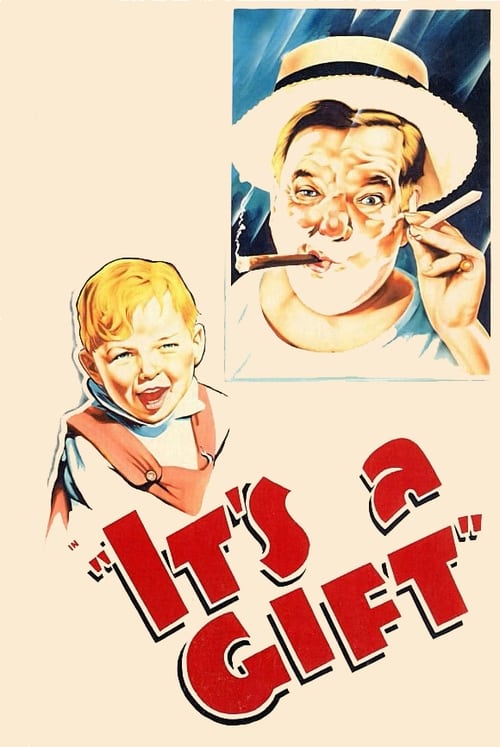
It's a Gift is a classic product of the 1930s studio system, emphasizing escapism and romantic resolution over social critique. The film focuses on the wealthy and adheres to traditional courtship norms. While the screwball comedy style allows women some wit and influence, the overall structure remains very conventional. The narrative reinforces the social hierarchies and gender roles typical of the Golden Age of Hollywood. Ultimately, the film lacks intentional diversity in race, culture, or identity, reflecting the era's homogeneous mainstream cinema.
Category Breakdown
The film does not include any non-straight or non-cisgender identities or same-sex relationships.
Women characters use their wit and social manipulation to have some influence, but the story still upholds traditional gender roles and domestic duties.
The cast is mostly white and represents an upper-class society. It lacks diverse ethnic backgrounds and intentionally includes actors of different races.
The story centers on high-society manners and social escape. It supports traditional norms without questioning Western institutions or religious practices.
Characters are portrayed as fully able-bodied. There are no visible or invisible disabilities shown.
Present on Screen
Limited or Absent
Official Synopsis
After he inherits some money, Harold Bissonette ("pronounced bis-on-ay") decides to give up the grocery business, move to California and run an orange grove. Despite his family's objections and the news that the land he bought is worthless, Bissonette packs up and drives out to California with his nagging wife Amelia and children.
1934
1927
1940
1935
1939
1931
1935
1947
No reviews yet. Be the first to share your thoughts on this movie!
Use the rating form above to leave a star rating and optional review.