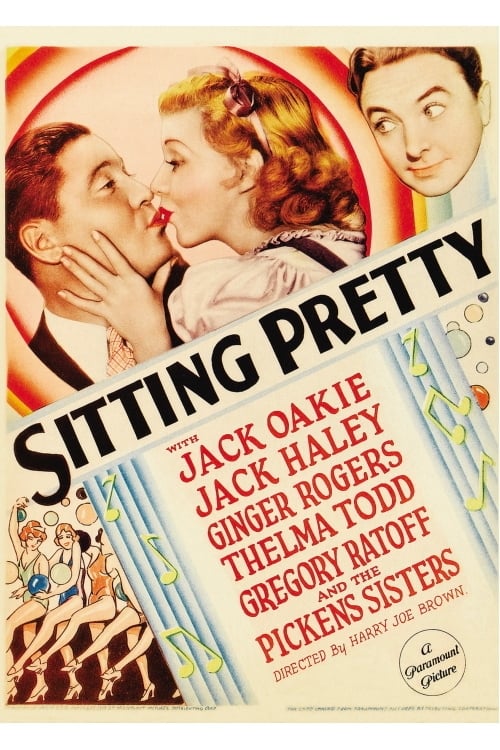
Sitting Pretty
1933
No user ratings available yet
Representation score: 1.1 out of 10
Representation Score
Minimal
1940
ApprovedDirector
Paul Gerard Smith, Otis Garrett
Runtime
59 minutes
Average Rating
No ratings yetNew Showbiz Analysis
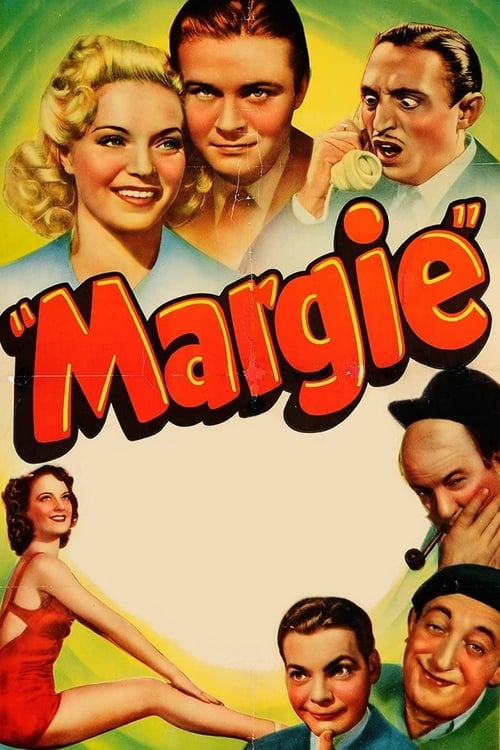
Margie embodies the spirit of 1940s Hollywood, emphasizing lighthearted escapism over social critique. The narrative sticks closely to the era's standards, focusing on the professional and romantic challenges of a newlywed couple. While Margie has career aspirations, the plot's resolution depends on male-dominated structures. The film reinforces mid-century social norms without challenging them, providing a typical Hollywood comedy of the time. Diversity is limited, with the cast reflecting the homogeneous practices of the period. The story maintains the status quo of its era.
Category Breakdown
The film does not include any LGBTQ+ characters or non-assuming gender matches what was assigned at birth identities. It focuses on a conventional romantic storyline involving a newlywed couple.
Margie has professional ambitions as a radio scriptwriter, but the plot revolves around a male figure securing success. The relationship dynamics follow typical comedic marital tension.
The casting appears uniform, typical of 1940s Hollywood. Although Gomez hints at non-Anglo-Saxon heritage, the narrative centers on a Western social context.
The story upholds traditional Western values and capitalist career goals. It functions as a light-hearted, escapist comedy without questioning established institutions.
The film does not depict any visible or invisible disabilities. There are no characters shown to have physical impairments or neurodivergent traits.
Present on Screen
Limited or Absent
Official Synopsis
Newlyweds Bret (Tom Brown) and Margie (Nan Grey) both aspire to show-biz careers: he wants to be a songwriter, while she is desirous of becoming a radio scripter. Inevitably, Bret and Margie quarrel and break up, only to be reunited by their efforts to snag "banana king" Gomez (Mischa Auer) for a lucrative radio contract. The old 1920s tune "Margie" is heard throughout the proceedings, frequently fitted out with ludicrous new lyrics ("Bananas! We're Always Thikin' of Bananas!" etc.) by a zany songwriting team (Eddie Quillan and Wally Vernon).
1933
1941
1946
1933
1948
1929
1939

1933
No reviews yet. Be the first to share your thoughts on this movie!
Use the rating form above to leave a star rating and optional review.