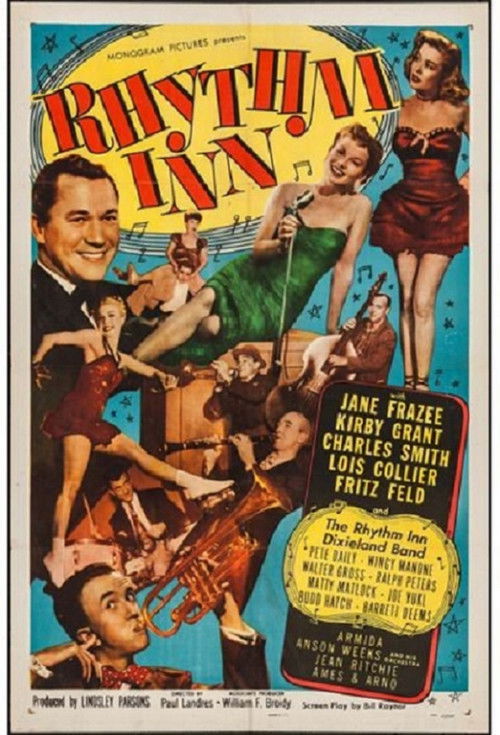
Rhythm Inn
1951
No user ratings available yet
Diversity score: 2.7 out of 10
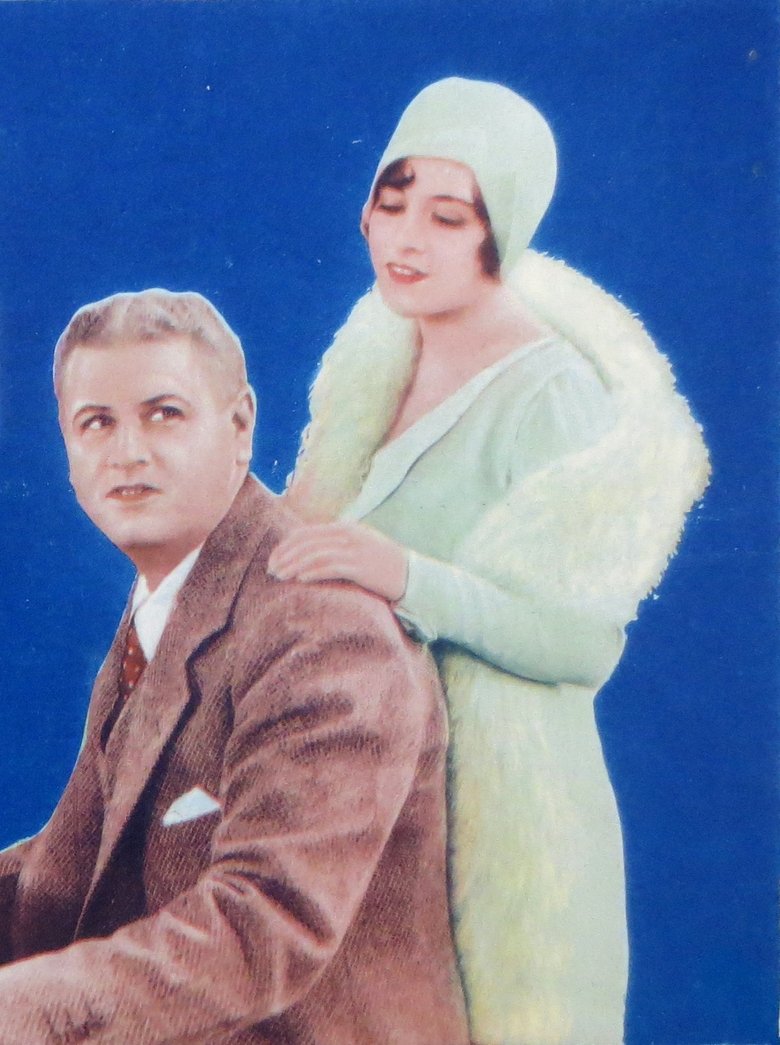
1929
PassedDirector
Leo McCarey
Runtime
75 minutes
Average Rating
No ratings yetSynopsis
Walter, a songwriter who is in love with Mary, a nightclub singer, prefers to make a living by fleecing crackpot songwriters and promoting their creations. When Walter writes "At Last I'm in Love" for Mary, she promises to plug the song at the Frivolity Club, but he leaves in a huff when she flirts with Sam, a legitimate song publisher. On the street, he gives refuge to Claire, a girl accused of a theft, and hires her as his secretary. Mrs. Fioretta gives Walter a large sum to publish her song, "The Night Elmer Died," but Sam induces Mary to get Walter to stop the deal. When Walter discovers that Claire is having an affair with Sam, he returns to Mary at the club. A lost film.
Overall Score
Minimal
Category Breakdown
LGBTQ+ Representation
The film lacks any evidence of non-cisnormative identities or same-sex intimacy. The plot follows a traditional romantic trajectory centered on heterosexual dynamics.
Gender Representation
While Mary possesses economic agency as a singer, the plot is driven by male motivations. Female characters primarily serve as catalysts for the male protagonist's emotional arcs.
Racial & Ethnic Diversity
The narrative suggests a homogeneous social environment typical of the era. There is no indication of a diverse cast or non-Anglo-Saxon characters.
Religious & Cultural Diversity
Themes focus on individualistic pursuits like songwriting and professional competition. The film does not engage with systemic critiques or diverse cultural frameworks.
Disability Representation
There is no mention of characters with visible or invisible disabilities. The film lacks neurodivergent representation within its narrative context.
Strengths
Areas for Improvement
AI Analysis
Red Hot Rhythm is a product of its time, adhering strictly to the social hierarchies and narrative conventions of the late 1920s. The story centers on a male songwriter's professional and romantic struggles, utilizing female characters primarily to drive his personal development. The film lacks intentionality regarding identity politics, reflecting the era's standard lack of racial plurality and non-cisnormative representation. It functions as a standard period comedy focused on individual merit and social maneuvering within existing capitalist structures.
1951
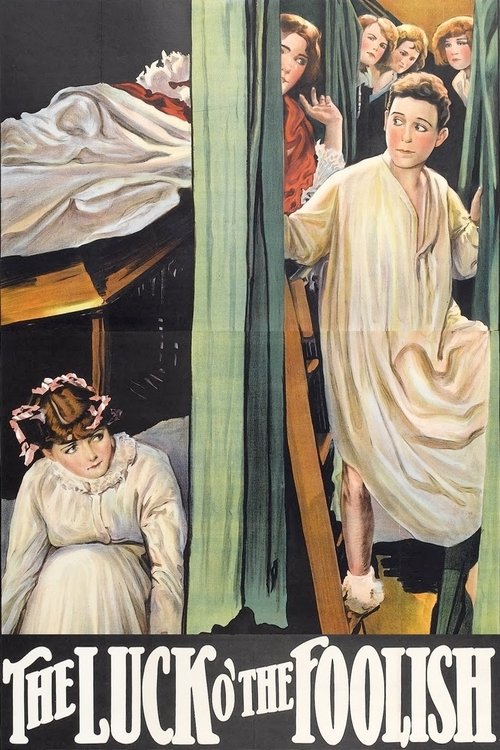
1924
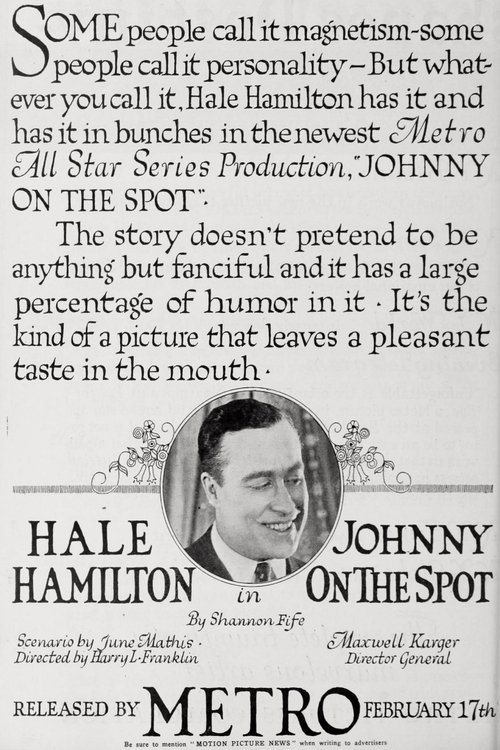
1919
1921
1920
1927
1927
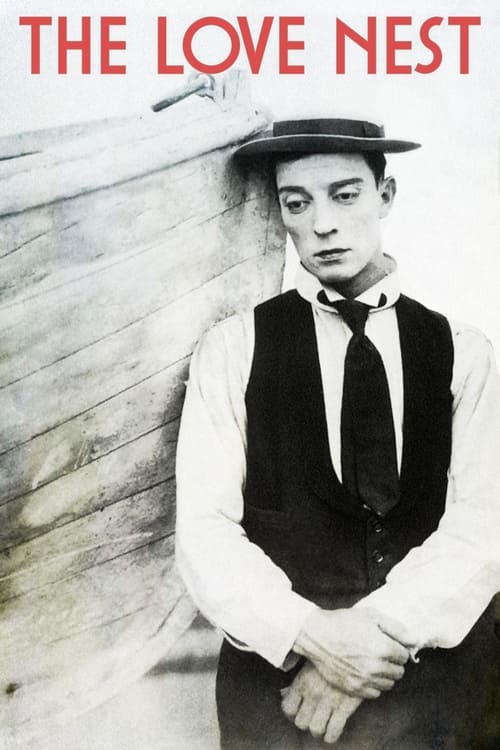
1923
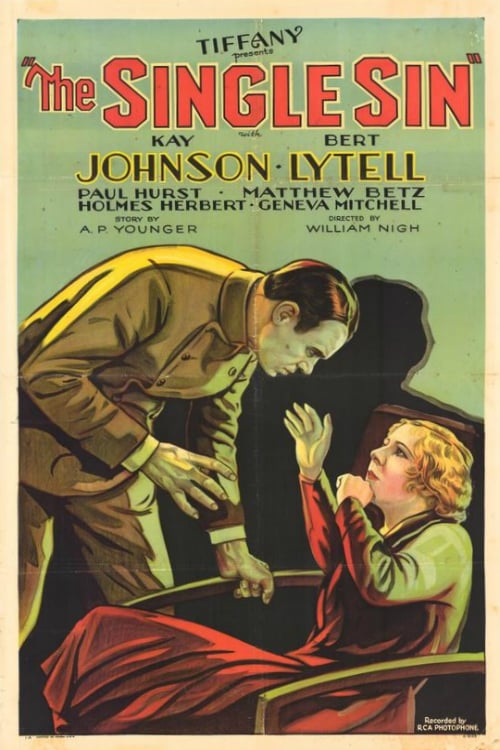
1931
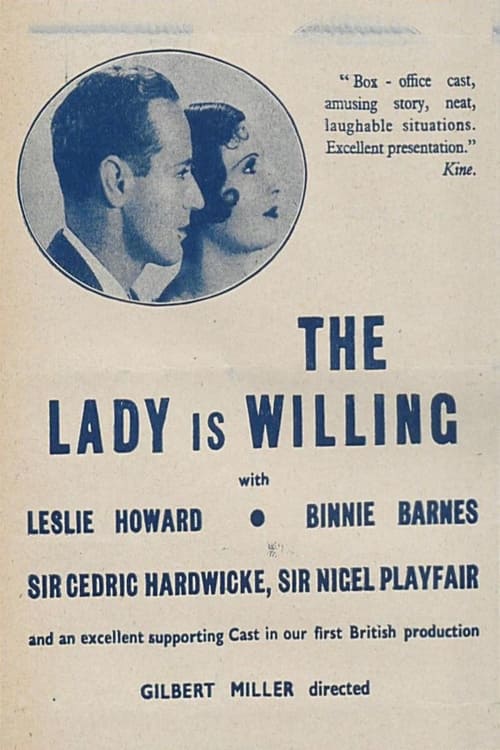
1934
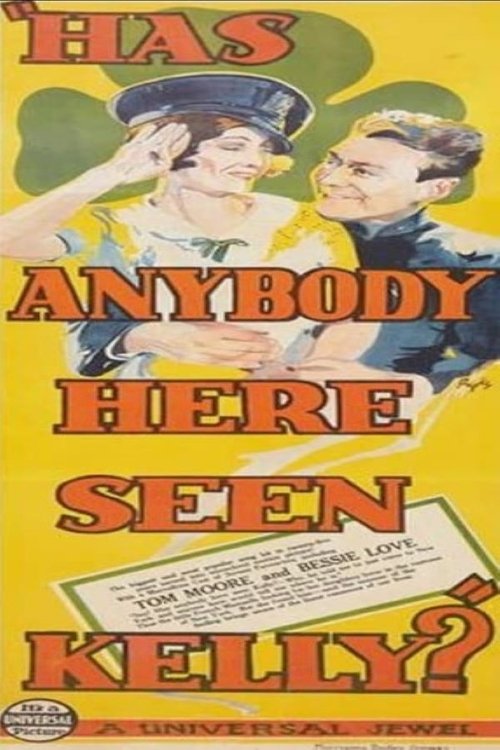
1928
1937
No reviews yet. Be the first to share your thoughts on this movie!
Use the rating form above to leave a star rating and optional review.