Angels with Dirty Faces
1938
No user ratings available yet
Representation score: 0.5 out of 10
Representation Score
Fair
1937
ApprovedDirector
William Wyler
Runtime
93 minutes
Average Rating
No ratings yetNew Showbiz Analysis
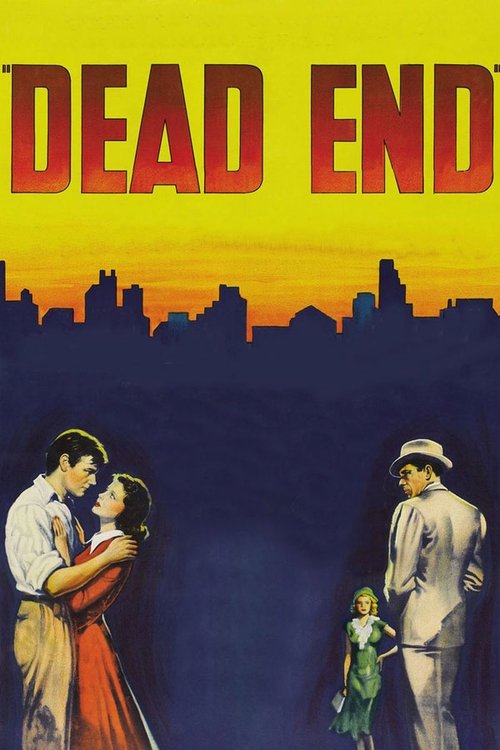
Dead End is a landmark of social realism that prioritizes systemic critique over traditional demographic diversity. While it lacks LGBTQ+ and disability representation, it challenges the era's conservative norms through its complex portrayal of gender and culture. The film's strength lies in its refusal to provide easy moral clarity. By focusing on environmental determinism, it challenges the idea that poverty is a choice, instead presenting a world shaped by the failure of institutions. However, the film's narrow focus on class identity results in a lack of racial and ethnic variety. This omission prevents the story from fully capturing the true demographic tapestry of the urban environment it depicts.
Category Breakdown
The film does not feature any LGBTQ+ characters or narratives. The story centers on class struggles and socioeconomic survival in the city.
Women in the film play a significant role in driving the story and demonstrate intellectual resilience. Bette Davis’s performance highlights characters who actively participate in their survival.
The cast lacks the multi-ethnic complexity found in real New York City demographics. The narrative prioritizes shared class identity over racial or ethnic diversity.
The film provides a sophisticated critique of capitalism and failing social structures. It frames poverty as a systemic issue rather than a personal moral failing.
There is no intentional representation of physical or neurodivergent disabilities. Character struggles are defined by socioeconomic and criminal pressures.
Present on Screen
Limited or Absent
Official Synopsis
The lives of a young man and woman, an infamous gangster and a group of street kids converge one day in a volatile New York City slum.
1938
1931

1932
1931
1951

1950
1933
1950
No reviews yet. Be the first to share your thoughts on this movie!
Use the rating form above to leave a star rating and optional review.