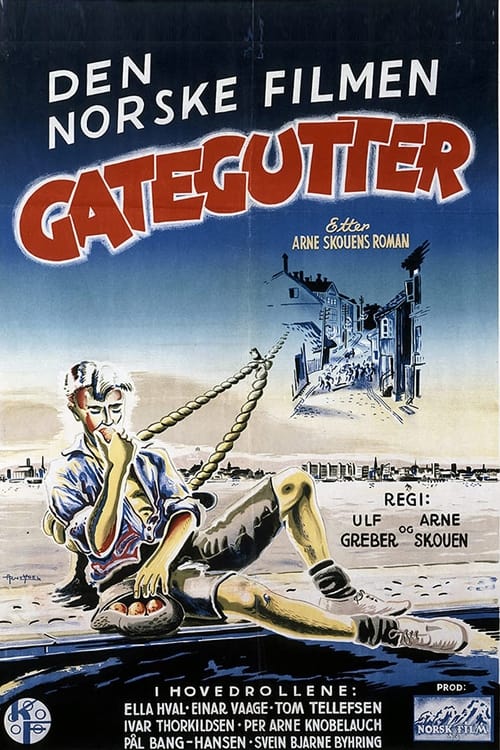
Boys from the Streets
1949
No user ratings available yet
Representation score: 6.2 out of 10

Representation Score
Limited
1976
Director
Ingvar Skogsberg
Runtime
168 minutes
Average Rating
No ratings yetNew Showbiz Analysis
City of My Dreams is a social realist drama that prioritizes class struggle over modern identity politics. Its narrative strength lies in deconstructing the idealized historical urban experience by highlighting the hardships of the working class. However, the film lacks specific representation across most identity-based categories. The historical setting and focus on male-centric survival narratives result in low scores for gender, racial, and LGBTQ+ diversity. Ultimately, the film's progressive value is found in its critique of systemic socioeconomic failures rather than its approach to the overlapping aspects of identity.
Category Breakdown
The 19th-century setting lacks evidence of queer character arcs or significant roles. The film focuses on a historical period where non-straight relationships are not represented.
The story centers on Henning and his male peers navigating urban survival. There is no clear evidence of female participation in the labor force or challenging gender hierarchies.
Set in 19th-century Stockholm, the film appears to focus on a homogeneous social environment. It lacks representation of non-white or non-Anglo-Saxon characters.
The film critiques 19th-century capitalism and systemic oppression. It focuses on the socioeconomic struggle of the working class rather than promoting traditional institutional stability.
There is no information available regarding the portrayal of physical or neurodivergent characters within the narrative.
Present on Screen
Limited or Absent
Official Synopsis
Young Henning and his friends are struggling to stay alive in 19th century Stockholm, where he has ended up in search of employment. In the harsh city, he and his friends dream of the good life while struggling for their survival.
1949

1970

1991
1987
1943

1979
1966

1986
No reviews yet. Be the first to share your thoughts on this movie!
Use the rating form above to leave a star rating and optional review.