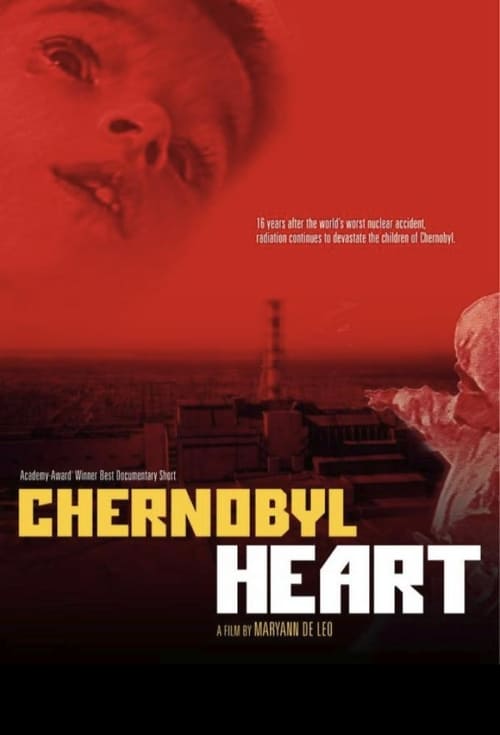
Chernobyl Heart
2003
No user ratings available yet
Diversity score: 7.0 out of 10
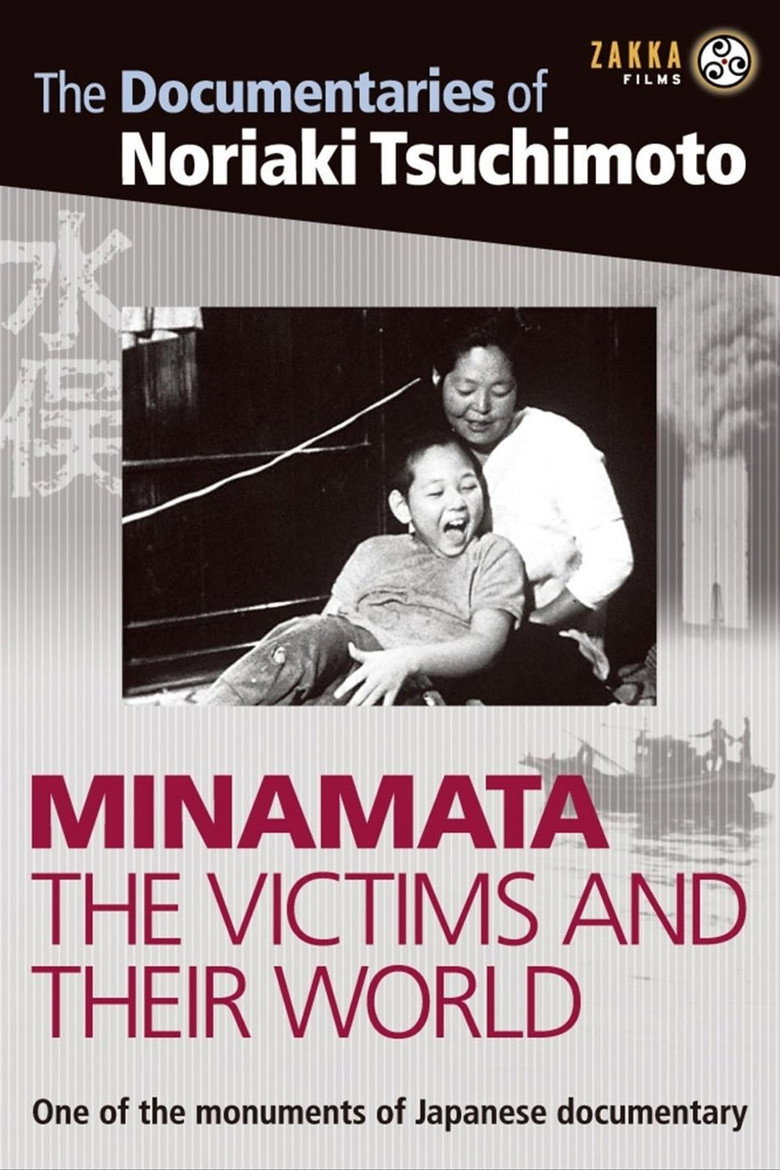
1971
Director
Noriaki Tsuchimoto
Runtime
123 minutes
Average Rating
No ratings yetSynopsis
The first in a series of independent documentaries that Tsuchimoto made of the mercury poisoning incident in Minamata, Japan.
Overall Score
Good
Category Breakdown
LGBTQ+ Representation
The documentary focuses strictly on a public health crisis and environmental catastrophe. It contains no LGBTQ+ characters or narratives exploring non-heteronormative identities.
Gender Representation
The film prioritizes collective community experience over individual gendered tropes. It avoids reinforcing patriarchal leadership by distributing agency across families and the communal struggle for survival.
Racial & Ethnic Diversity
The film centers a Japanese working-class, fishing-based community. This localized portrayal disrupts Western-centric industrial narratives by highlighting a specific, often sidelined ethnic and socioeconomic group.
Religious & Cultural Diversity
The narrative offers a rigorous critique of industrial capitalism and corporate profit. It frames the struggle of the local population as a rebellion against oppressive, state-sanctioned industrial policies.
Disability Representation
This landmark work provides an unvarnished look at neurological and physical impairments. It avoids melodrama, instead granting victims agency as they mobilize for justice.
Strengths
Areas for Improvement
AI Analysis
Noriaki Tsuchimoto’s documentary is a powerful act of social advocacy that centers the marginalized victims of mercury poisoning. By focusing on the lived realities of the Minamata community, the film challenges the morality of industrial progress and corporate negligence. The work excels in its depiction of disability, treating neurological impairments not as spectacle, but as the foundation for political mobilization. It successfully shifts the lens from industrial achievement to the human cost of systemic failure. While the film lacks LGBTQ+ representation and focuses on a specific demographic, its strength lies in its profound cultural critique and its commitment to documenting the agency of the working class.
2003

2015

1967

2016

2017

2012

1971
1986

2008

2015
2004

2015
No reviews yet. Be the first to share your thoughts on this movie!
Use the rating form above to leave a star rating and optional review.