Come On Children
1973
No user ratings available yet
Representation score: 4.2 out of 10
Representation Score
Fair
1967
Director
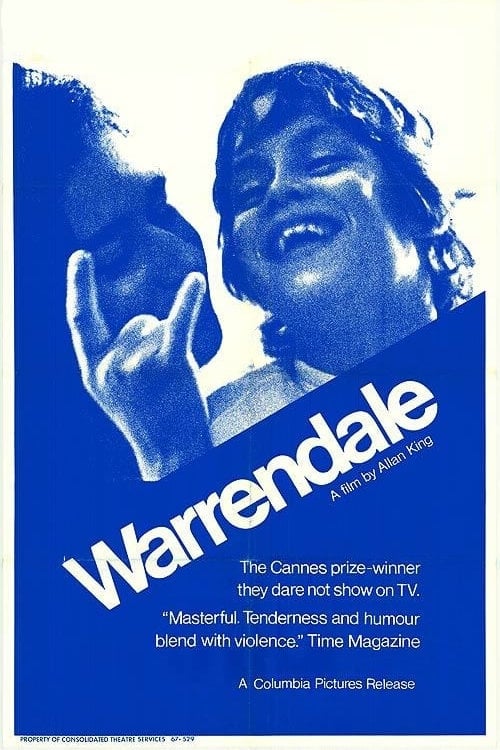
Allan King
Runtime
101 minutes
Average Rating
No ratings yetNew Showbiz Analysis
Warrendale stands as a seminal work of direct cinema that prioritizes the subjective truth of its subjects over institutional morality. By removing narration and interviews, the film deconstructs traditional documentary clichés to present an unmediated view of life within a residential treatment center. The film's primary strength is its radical approach to disability representation. It avoids patronizing or clinical perspectives, instead allowing the neurodivergent children to drive the narrative through their own complex needs and outbursts. While the film lacks explicit LGBTQ+ or diverse ethnic representation, it succeeds as a systemic critique. It challenges the competence of Western institutional authority by highlighting the chaos and human vulnerability inherent in state-run care.
Category Breakdown
The film focuses on the visceral realities of residential care in a mid-century setting. There is no documented evidence of LGBTQ+ characters or narratives within the observed group.
The film disrupts authority expectations by showing the failure of traditional disciplinary structures. It emphasizes shared vulnerability and emotional volatility among all children, regardless of gender.
The cast reflects the demographic norms of mid-century Ontario. The film avoids sanitized depictions of minority groups, opting instead for a raw and unvarnished realism.
The film removes the authoritative institutional voice by avoiding narration. This allows the subjects to define their own reality and critiques the friction between neurodivergent needs and rigid structures.
This landmark study avoids 'inspiration porn' by refusing to frame struggles as emotional catharsis. It grants subjects ability to act, focusing on lived experience rather than clinical observation.
Present on Screen
Limited or Absent
Official Synopsis
Filmed over five weeks at the Warrendale residential treatment center near Toronto, "Warrendale" observes twelve emotionally disturbed children and the staff who care for them. Working without narration, interviews, or direction, Allan King records daily life as it unfolds, establishing what he later described as “actuality drama.”
1973
1961
1962
2004
1965

2015
1948

1967
No reviews yet. Be the first to share your thoughts on this movie!
Use the rating form above to leave a star rating and optional review.