
Youth (Spring)
2023
No user ratings available yet
Representation score: 6.2 out of 10
Representation Score
Good
2004
Director
Wang Bing
Runtime
551 minutes
Average Rating
No ratings yetNew Showbiz Analysis
Wang Bing’s documentary excels in observing societal systems rather than individual identities. It prioritizes the socioeconomic conditions of the Tiexi district over challenging specific social norms. The film effectively centers the experiences of those affected by rapid economic changes, providing a powerful counter-narrative to stories of modernization. It handles the physical and social decay of the working class with great respect. However, the film does not include any representation of LGBTQ+ individuals or challenge traditional gender roles, staying true to the historical labor hierarchies of the time.
Category Breakdown
The film focuses on the industrial workers without including any visible LGBTQ+ characters or narratives related to sexual orientation.
The narrative highlights the traditional labor roles of the era, showing how both men and women cope with the decline of the social safety net in industrial settings.
The cast is made up of actors from a specific ethnic group in Shenyang, China. However, it provides a unique non-Western perspective that challenges the typical Anglo-Saxon viewpoint in global cinema.
The film critically examines the shift from a planned economy to a market-based system. It portrays the breakdown of traditional social structures during major economic transitions.
While not a main theme, the film captures the physical strain of manual labor. It shows the long-term health issues faced by workers in the industrial setting.
Present on Screen
Limited or Absent
Official Synopsis
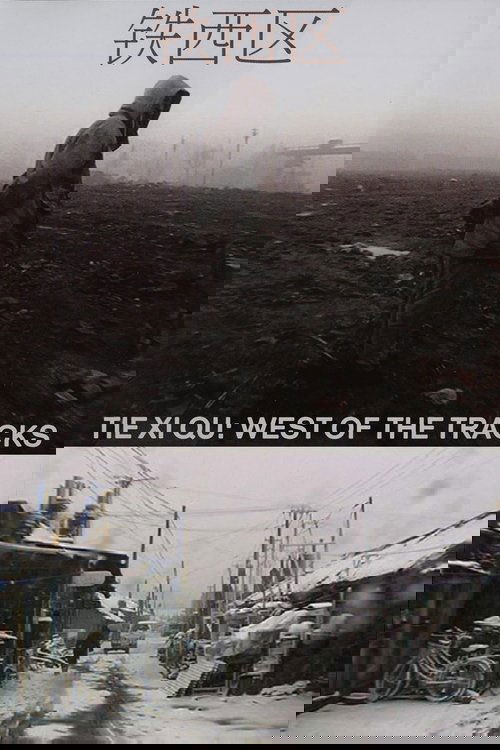
A detailed look at the gradual decline of Shenyang’s industrial Tiexi district, an area that was once a vibrant example of China’s socialist economy. But industry is changing, and the factories of Tiexi are closing. Director Wang Bing introduces us to some of the workers affected by the closures, and to their families.
2023

2000
2018
2006

2008
2019

2009
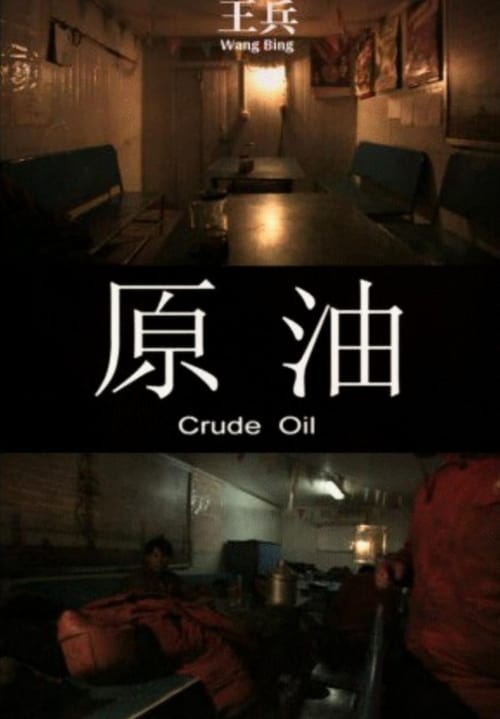
2008
No reviews yet. Be the first to share your thoughts on this movie!
Use the rating form above to leave a star rating and optional review.