
Don't Get Me Wrong
2007
No user ratings available yet
Representation score: 8.2 out of 10
Representation Score
Good
2008
Not RatedDirector
Kazuhiro Soda
Runtime
135 minutes
Average Rating
No ratings yetNew Showbiz Analysis
Kazuhiro Soda’s documentary serves as a powerful piece of social documentation that disrupts traditional Japanese decorum. By utilizing a cinema verité style, the film moves beyond clinical observation to provide a raw, unmediated look at those living on the periphery of society. The film's primary strength lies in its respectful, multi-dimensional portrayal of mental health and neurodivergence. It avoids exploitative formulas, instead offering a platform for individuals to navigate systemic social pressures with dignity. While the film lacks specific focus on identity politics like gender or orientation, it successfully challenges societal pressures of shame and the suppression of individual struggles.
Category Breakdown
The film focuses on clinical and social realities within a Japanese outpatient setting. There is no explicit mention of LGBTQ+ identities or narratives that critique the assumption that everyone is straight or cisgender.
The observational style deconstructs traditional social roles by centering on vulnerability. This challenges conventional masculine ideals of stoicism and stability through the subjects' shared apprehension.
The subjects are predominantly Japanese, reflecting the local demographic norm. However, the film offers a nuanced look at a specific ethnic experience outside of Western-centric perspectives.
The documentary breaks major taboos by challenging the Japanese emphasis on social harmony and public face. It critiques systemic pressures like poverty and shame within the culture.
This is a standout portrayal that gives real power to neurodivergent individuals. The cinema verité approach presents them as complex, multi-dimensional humans rather than mere plot devices.
Present on Screen
Limited or Absent
Official Synopsis
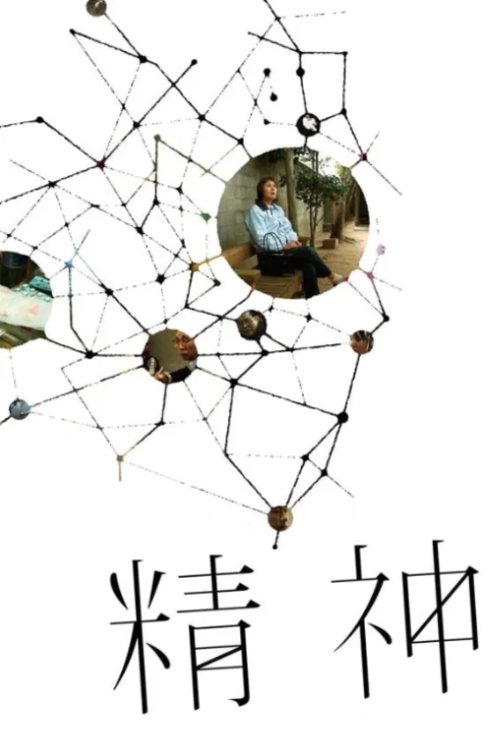
MENTAL is a feature-length documentary that observes the complex world of an outpatient mental health clinic in Japan, interwoven with patients, doctors, staff, volunteers, and home-helpers, in cinema- verite style. The film breaks a major taboo against discussing mental illness prevalent in Japanese society, and captures the candid lives of people coping with suicidal tendencies, poverty, a sense of shame, apprehension, and fear of society.
2007

2006

2009

2001

2024

1967

2023

2016
No reviews yet. Be the first to share your thoughts on this movie!
Use the rating form above to leave a star rating and optional review.