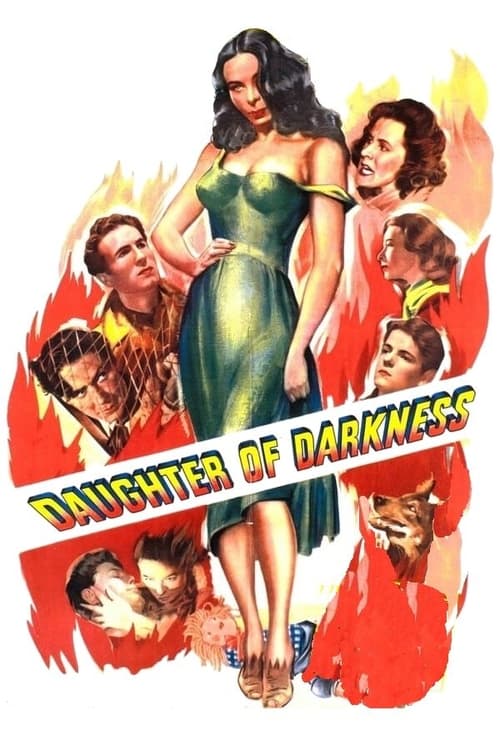
Daughter of Darkness
1948
No user ratings available yet
Diversity score: 3.2 out of 10
1945
Director
John Brahm
Runtime
78 minutes
Average Rating
No ratings yetSynopsis
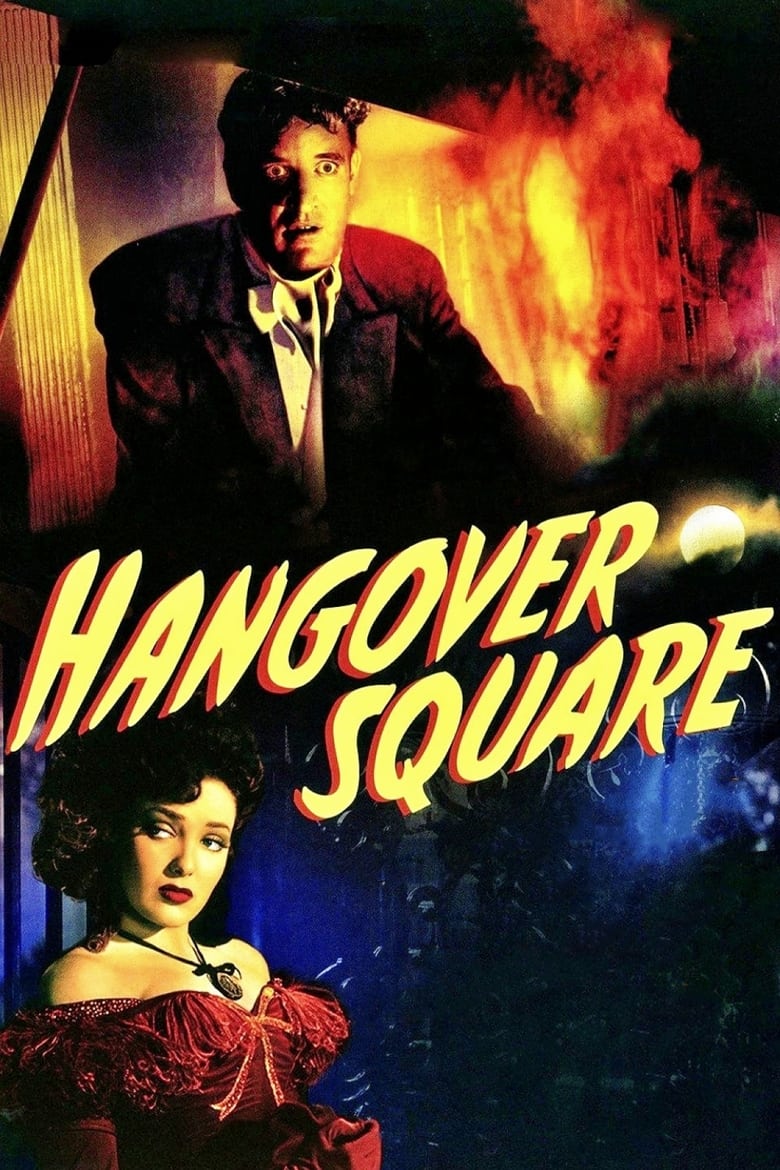
When composer George Harvey Bone wakes with no memory of the previous night and a bloody knife in his pocket, he worries that he has committed a crime. On the advice of Dr. Middleton, Bone agrees to relax, going to a music performance by singer Netta Longdon. Riveted by Netta, Bone agrees to write songs for her rather than his own concerto. However, Bone soon grows jealous of Netta and worries about controlling himself during his spells.
Overall Score
Limited
Category Breakdown
LGBTQ+ Representation
The film lacks discernible LGBTQ+ characters or narratives. The social landscape is rooted in the period's heteronormative constraints.
Gender Representation
The narrative explores shifting post-war dynamics but remains tethered to traditional hierarchies. Netta Longdon serves as a catalyst for the protagonist's obsession rather than an agent of independent identity.
Racial & Ethnic Diversity
Set in post-war London, the film reflects the era's demographic homogeneity. There is no evidence of non-white or non-Anglo-Saxon casting within the British milieu.
Religious & Cultural Diversity
The film offers a nuanced critique of post-war social exhaustion and economic hardship. It portrays a breakdown of pre-war structures driven by wartime trauma.
Disability Representation
George Harvey Bone’s dissociative identity disorder provides a significant portrayal of mental health. His psychological instability serves as a central, complex driver of the thriller's plot.
Strengths
Areas for Improvement
AI Analysis
Hangover Square is a psychological thriller that prioritizes internal character fragmentation over social breadth. It succeeds in using mental health as a sophisticated narrative engine, moving beyond simple plot devices to explore the instability of the post-war hero. However, the film is a product of its time, characterized by significant demographic homogeneity. The lack of racial, ethnic, or LGBTQ+ representation keeps the story confined to a very narrow social lens. While the film captures the disillusionment of post-war British society, it does so through a traditional framework that lacks modern intersectional depth.
1948
1946
1945
1946

1947
1947
1966
1971
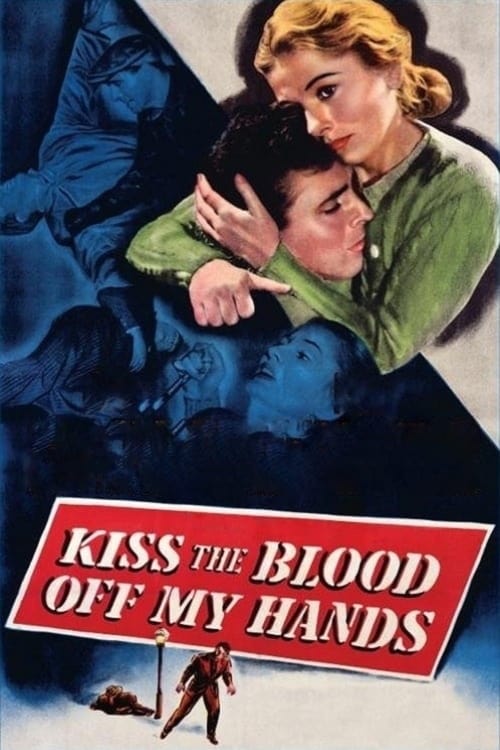
1948
1947
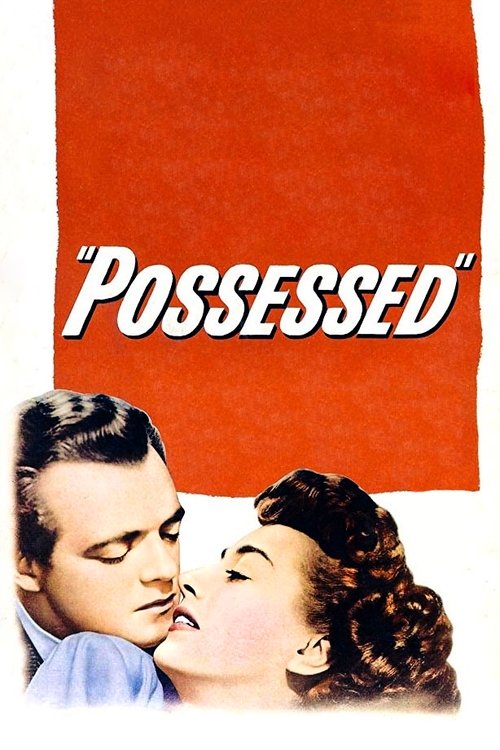
1947
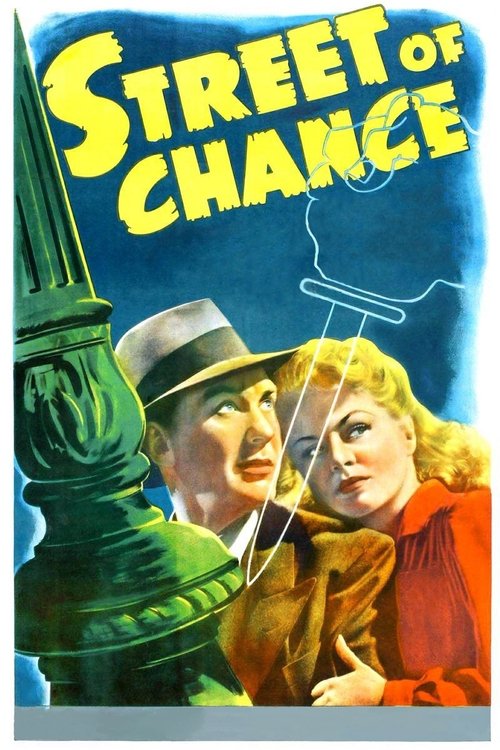
1942
No reviews yet. Be the first to share your thoughts on this movie!
Use the rating form above to leave a star rating and optional review.