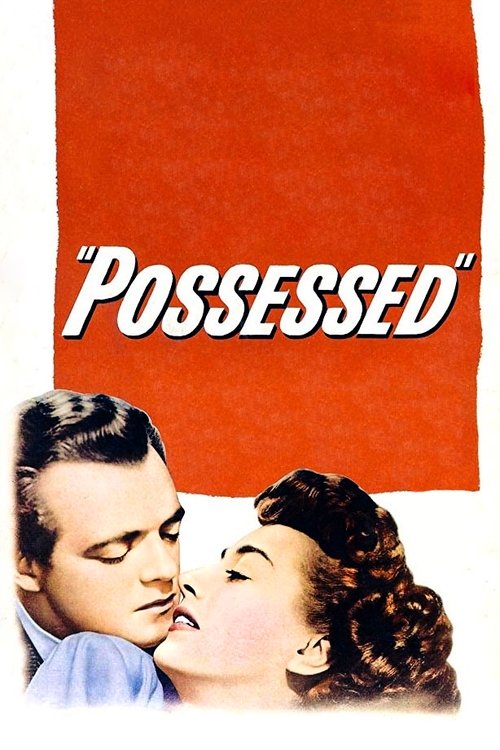
Possessed
1947
No user ratings available yet
Representation score: 2.5 out of 10
Representation Score
Limited
1947
NRDirector
Martin Gabel
Runtime
89 minutes
Average Rating
No ratings yetNew Showbiz Analysis
The film adheres to the conventional cinematic language of the late 1940s, emphasizing psychological thriller elements over social diversity. Its narrative structure revolves around traditional romantic obsessions and Eurocentric social norms. While female characters are central to the plot, they are often defined by their relationship to the male protagonist or their perceived psychological fragility. This limits the depth of gender representation. Overall, the film lacks a multi-layered approach to diversity, focusing instead on a narrow, period-specific exploration of individual obsession and historical context.
Category Breakdown
The film focuses on traditional romantic relationships and does not include any queer identities or non-cisgender expressions.
Women play central roles but are often portrayed through psychological instability. Tina occasionally shows uninhibited ability to act, but the women are mainly objects of the male protagonist's pursuit.
The story features a mostly white cast set in Venice and New York, reflecting the homogeneous social structures of the 1947 era.
The narrative relies on traditional Western institutions like a family priest as a moral arbiter. It follows a conventional moral landscape without challenging Western norms.
Themes of mental health and sanity are present but primarily serve as plot devices for tension. The film lacks a nuanced exploration of neurodivergence or lived experience.
Present on Screen
Limited or Absent
Official Synopsis
In a long flashback, a New York publisher is in Venice pursuing the lost love letters of an early-19th-century poet, Jeffrey Ashton, who disappeared mysteriously. Using a false name, Lewis Venable rents a room from Juliana Bordereau, once Jeffrey Ashton's lover, now an aged recluse. Running the household is Juliana's severe niece, Tina, who mistrusts Venable from the first moment. He realizes all is not right when late one night he finds Tina, her hair unpinned and wild, at the piano. She calls him Jeffrey and throws herself at him. The family priest warns Venable to tread carefully around her fantasies, but he wants the letters at any cost, even Tina's sanity.
1947
1945
1965
1944
1948
1952
1945
1947
No reviews yet. Be the first to share your thoughts on this movie!
Use the rating form above to leave a star rating and optional review.