
The Last Page
1952
No user ratings available yet
Representation score: 1.0 out of 10
Representation Score
Limited
1946
NRDirector
John Brahm
Runtime
85 minutes
Average Rating
No ratings yetNew Showbiz Analysis
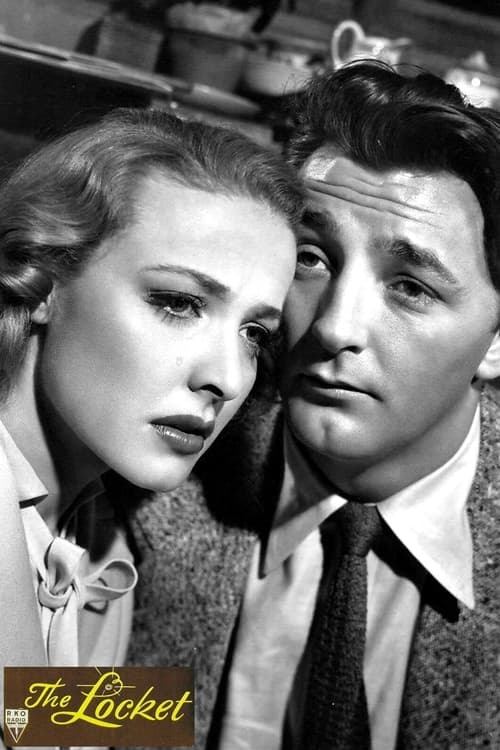
The Locket serves as a psychological study that challenges mid-century clichés by focusing on a female protagonist. Although the film lacks diversity, it grants the lead a significant role in driving the story through manipulation. However, the film remains a product of its time, lacking racial and LGBTQ+ representation and any depiction of disabilities. Its sophistication lies in moving away from absolute moral certainty towards a nuanced exploration of character motivations and psychological instability.
Category Breakdown
The film does not include any queer narratives or non-cisgender identities. The interpersonal dynamics focus solely on heterosexual relationships and male validation.
The protagonist challenges the passive heroine stereotype by taking an active role in shaping the conflict. She drives the story through strategic deception and psychological manipulation of men.
Set in 19th-century Europe, the film features a predominantly white cast with no evidence of diverse ethnic backgrounds or color-blind casting.
The narrative focuses on subjective psychological motivations rather than a strict moral code. It explores why individuals behave dysfunctionally.
The film does not depict physical, sensory, or neurodivergent disabilities. While it explores psychological obsession, it does not address this through a clinical perspective.
Present on Screen
Limited or Absent
Official Synopsis
A dark personal secret drives a young woman to use every man she encounters.
1952
1944
1952
1940
1947
1945
1952

1944
No reviews yet. Be the first to share your thoughts on this movie!
Use the rating form above to leave a star rating and optional review.