Conflict
1945
No user ratings available yet
Representation score: 1.6 out of 10
Representation Score
Minimal
1947
NRDirector
Arthur Crabtree
Runtime
90 minutes
Average Rating
No ratings yetNew Showbiz Analysis
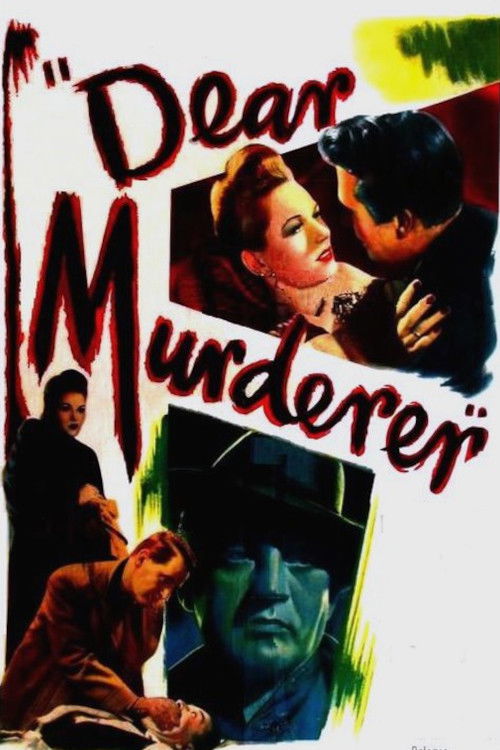
Dear Murderer is a crime thriller set in a specific historical period that emphasizes psychological tension over social representation. The narrative revolves around a toxic domestic conflict that adheres to the moral frameworks of 1947 British cinema. While the film slightly subverts the passive wife cliché by portraying a devious and unfaithful female character, the power dynamics remain rooted in traditional patriarchal control and individual pathology. The film presents a homogeneous social landscape that avoids racial, cultural, or LGBTQ+ perspectives, focusing instead on a narrow study of infidelity and murder.
Category Breakdown
The film focuses solely on heterosexual conflicts and does not include any representation of LGBTQ+ identities or critiques of heterosexuality.
Vivien is portrayed as devious and unfaithful, challenging the passive wife stereotype. However, Lee maintains control through violent means, reinforcing a toxic patriarchal dynamic.
The cast and setting appear predominantly white and Anglo-Saxon, with no indication of racial blending or non-white protagonists.
The story centers on marriage and fidelity, reinforcing traditional social contracts through a psychological study of crime.
There is no evidence of characters with visible or invisible disabilities. The narrative focuses strictly on psychological motivations related to jealousy.
Present on Screen
Limited or Absent
Official Synopsis
When a man discovers his wife is having an affair, he commits the perfect crime.
1945
1950
1945
1955
1949
1938

1940
1940
No reviews yet. Be the first to share your thoughts on this movie!
Use the rating form above to leave a star rating and optional review.