
Innocents with Dirty Hands
1975
No user ratings available yet
Diversity score: 4.1 out of 10
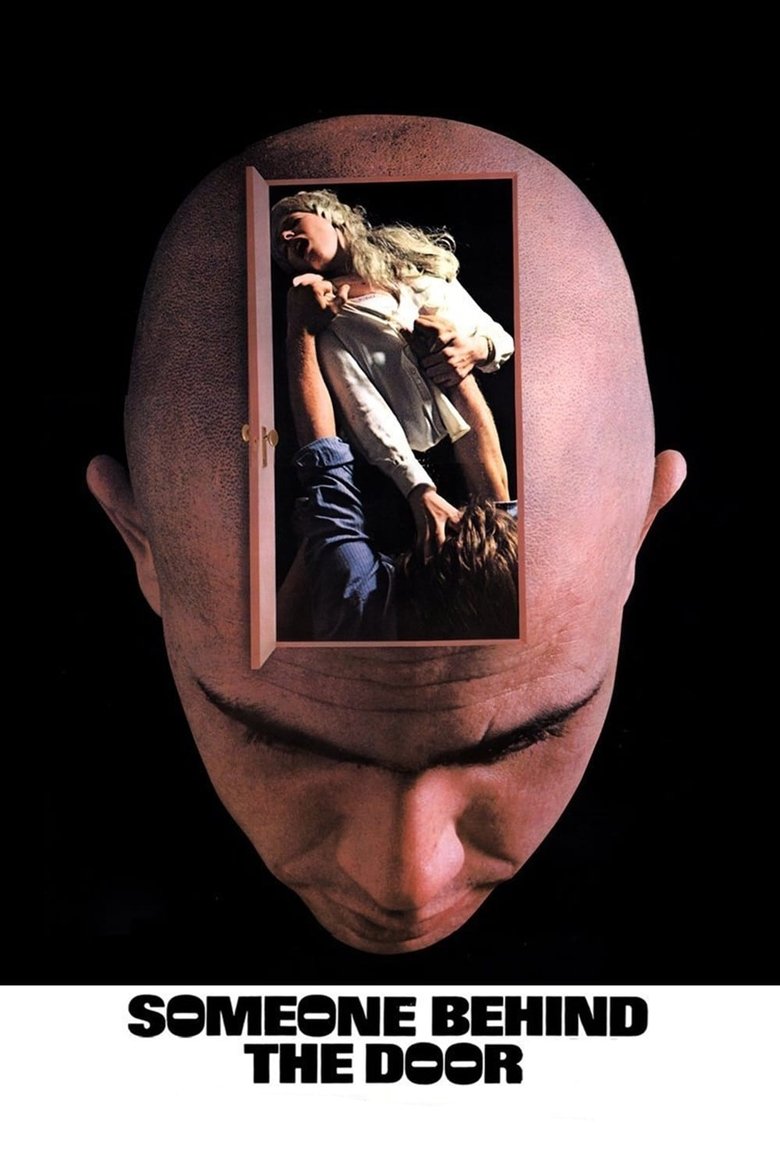
1971
GPDirector
Nicolas Gessner
Runtime
93 minutes
Average Rating
No ratings yetSynopsis
A neurosurgeon with a cheating wife takes an amnesiac into his home and conditions him to believe that the cheating wife is his own and to take the "appropriate" action.
Overall Score
Limited
Category Breakdown
LGBTQ+ Representation
The film focuses on heteronormative domestic conflict and marital infidelity. There is no evidence of queer narratives or non-cisnormative identities.
Gender Representation
The plot centers on a power imbalance where a male neurosurgeon manipulates others. The wife lacks agency, serving primarily as a tool for the protagonist's psychological experiments.
Racial & Ethnic Diversity
The narrative appears to follow conventional Eurocentric casting patterns typical of 1970s thrillers. It focuses on a homogeneous domestic setting without broader ensemble diversity.
Religious & Cultural Diversity
The film challenges traditional family structures by portraying the domestic unit as a site of deception. It explores moral relativism through psychological warfare.
Disability Representation
Amnesia serves as a central plot device to drive the protagonist's machinations. The neurological condition is used as a mechanism rather than a nuanced character study.
Strengths
Areas for Improvement
AI Analysis
Someone Behind the Door is a psychological thriller that adheres closely to the genre tropes of the early 1970s. While it offers a dark deconstruction of the traditional family unit, it does so through a lens of manipulation rather than inclusive representation. The film's narrative architecture is heavily centered on male agency and psychological dominance. This creates a framework where female and neurodivergent characters function more as plot catalysts than as independent, multifaceted individuals. Ultimately, the work lacks intersectional depth. It explores the breakdown of domestic stability but remains within a narrow, Eurocentric, and heteronormative scope.
1975
1950

1984

1973

2007
No reviews yet. Be the first to share your thoughts on this movie!
Use the rating form above to leave a star rating and optional review.