The Lost Moment
1947
No user ratings available yet
Representation score: 3.7 out of 10
Representation Score
Limited
1947
ApprovedDirector
Curtis Bernhardt
Runtime
108 minutes
Average Rating
No ratings yetNew Showbiz Analysis
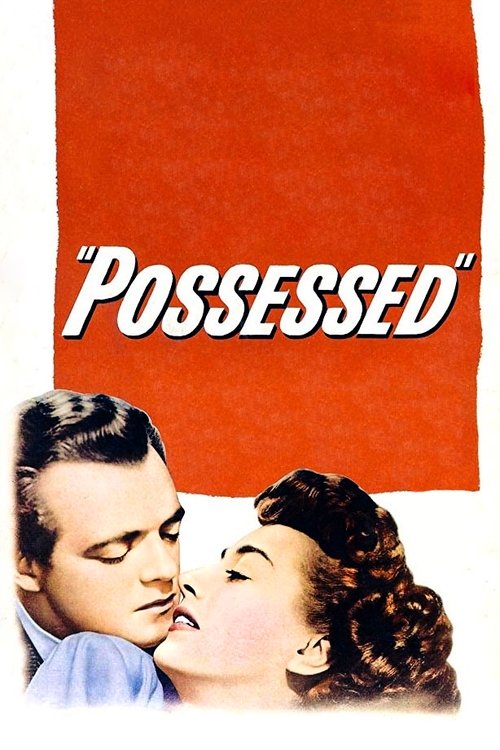
Possessed is a psychological melodrama that explores the internal instability of its female lead. While it grants the protagonist a degree of narrative complexity, the film remains firmly rooted in the social and clinical hierarchies of the 1940s. The film's structure reinforces traditional power dynamics, specifically the authority of the male medical professional over the female patient. This reliance on institutional stability prevents a more progressive or systemic critique of the era's social structures. Ultimately, the work functions as a character study that operates within the cultural constraints of its time, lacking the multi-layered depth or diverse perspectives required for a higher score.
Category Breakdown
The film focuses solely on a heterosexual relationship and does not include any representation of LGBTQ+ identities or critiques of the assumption that everyone is straight or cisgender.
The story centers on a female protagonist's psychological journey, offering more complexity than typical passive roles. However, power remains with the male physician, reinforcing traditional hierarchies.
The cast and setting reflect a homogeneous, white, middle-class experience. There is no evidence of diverse casting or non-Anglo-Saxon perspectives.
The narrative reinforces the authority of Western medical and psychiatric institutions. It portrays the clinical environment as a necessary tool for restoring social order.
The film provides a dramatized look at catatonia and mental health. While avoiding overt mockery, it risks using mental illness as a mere driver for dramatic tension.
Present on Screen
Limited or Absent
Official Synopsis
After being found wandering the streets of Los Angeles, a severely catatonic woman tells a doctor the complex story of how she wound up there.
1947
1948

2005
1944
1952
1945

1964
1959
No reviews yet. Be the first to share your thoughts on this movie!
Use the rating form above to leave a star rating and optional review.