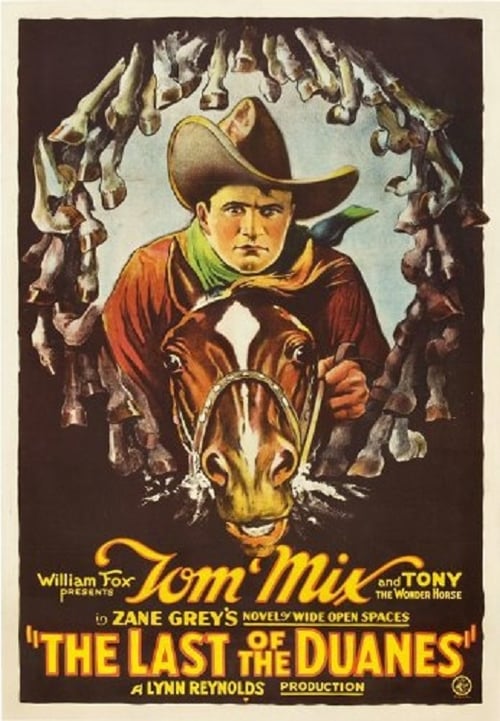
The Last of the Duanes
1924
No user ratings available yet
Representation score: 0.4 out of 10
Representation Score
Minimal
1922
ApprovedDirector
Paul Hurst
Runtime
55 minutes
Average Rating
No ratings yetNew Showbiz Analysis
This 1922 Western is a typical product of its era, emphasizing frontier justice and established social hierarchies. While it includes a strong female character fighting for her property, the narrative adheres to traditional gender roles and domestic conflicts. The film lacks complexity in representing multiple aspects of identity and focuses on preserving the family unit and individual property rights. It operates as a conventional genre piece that upholds the social norms of the early silent film period. Overall, the film presents a uniform view of the American frontier, lacking the diverse representation or critical examination needed for a modern perspective.
Category Breakdown
The film follows a traditional structure focused on heterosexual relationships and ownership without any indication of LGBTQ+ identities.
The film features a strong female character named 'Ma' Jackson who fights for her family's ranch. However, the story maintains traditional gender roles and focuses on domestic issues.
The film likely reflects the era's limited casting practices, showing a lack of diverse representation that could challenge the social norms of the time.
The film emphasizes traditional Western values such as land ownership and family sanctity. It reinforces the social norms of the early 20th century.
There are no characters with visible or invisible disabilities mentioned in the plot or historical context.
Present on Screen
Limited or Absent
Official Synopsis
King Calhoun comes to the aid of "Ma" Jackson, who is fighting to regain control of the family ranch after her husband's death. Her daughter, June, is desired by the ranch foreman, Pete Miller, who threatens revenge after his is fired.
1924

1930
1922
1926
1934
1922
1922
1930
No reviews yet. Be the first to share your thoughts on this movie!
Use the rating form above to leave a star rating and optional review.