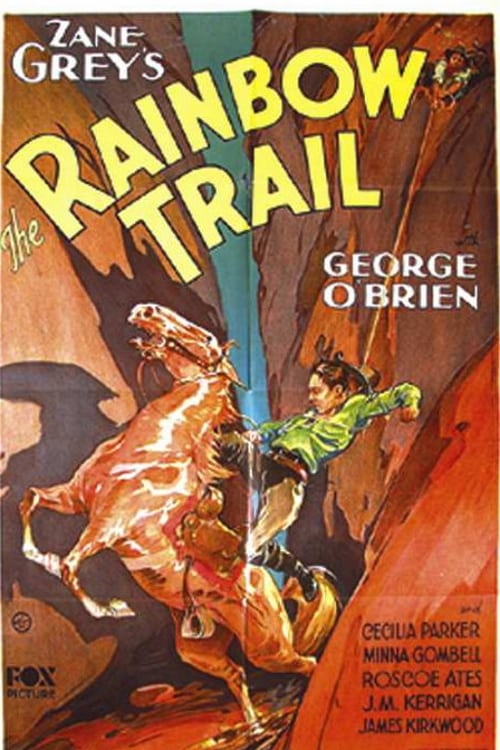
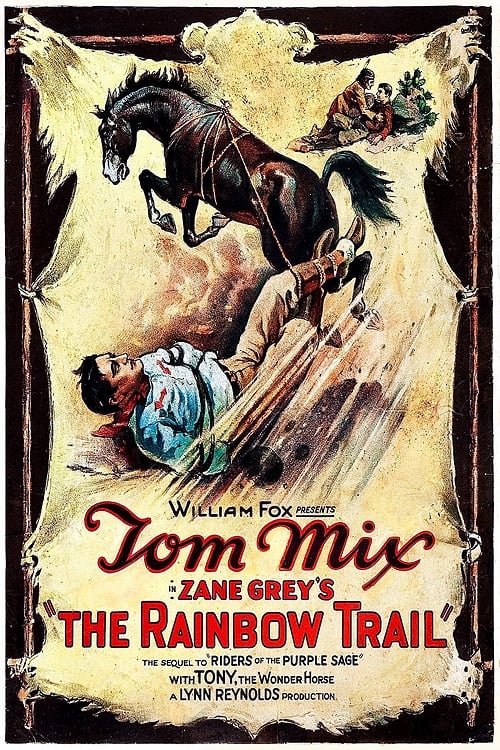
The Rainbow Trail
1932
No user ratings available yet
Representation score: 2.2 out of 10
Representation Score
Minimal
1925
PassedDirector
Lynn Reynolds
Runtime
57 minutes
Average Rating
No ratings yetNew Showbiz Analysis
The Rainbow Trail is a conventional silent-era Western that adheres strictly to the genre clichés of its time. The narrative structure prioritizes frontier adventure and traditional social hierarchies over any form of multi-layered complexity or social subversion. While the film provides a moment where Kay plays a significant role by using her marriage to protect others from external threats, the power dynamics remain firmly rooted in male-led conflict. The lack of racial diversity and adherence to the era's standard focus on Anglo-Saxon protagonists reflects the homogeneity of 1920s cinema. Ultimately, the film functions as a period-typical piece of storytelling, focusing on survival and traditional romantic motivations rather than challenging the status quo.
Category Breakdown
The film does not include any representation of LGBTQ+ individuals or non-cisgender identities. Same-sex relationships or intimate connections are also absent.
Kay plays a significant role in protecting others by agreeing to a strategic marriage. However, her actions are framed through a sacrificial cliché centered on domestic status.
The narrative follows typical 1920s Western clichés, focusing on Anglo-Saxon protagonists. There is no evidence of diverse racial representation or color-blind casting.
The story emphasizes traditional frontier values and social hierarchies. It centers on individual heroism and the protection of a hidden community through conventional means.
There is no information available regarding the depiction of physical or neurodivergent characters in this film.
Present on Screen
Limited or Absent
Official Synopsis
John Shefford is looking for his uncle Venters who years ago found a hidden valley and lived there with Jane Withersteen and young Fay Larkin. He finds Kay, now grown, who tells John that Willets and his men got into the nearly inaccessible valley and she has agreed to marry him to save the lives of the other two. John and Fay head for the valley with Willets and with his men right behind.
1932
1930
1931
1925
1924
1935
1924
1925
No reviews yet. Be the first to share your thoughts on this movie!
Use the rating form above to leave a star rating and optional review.