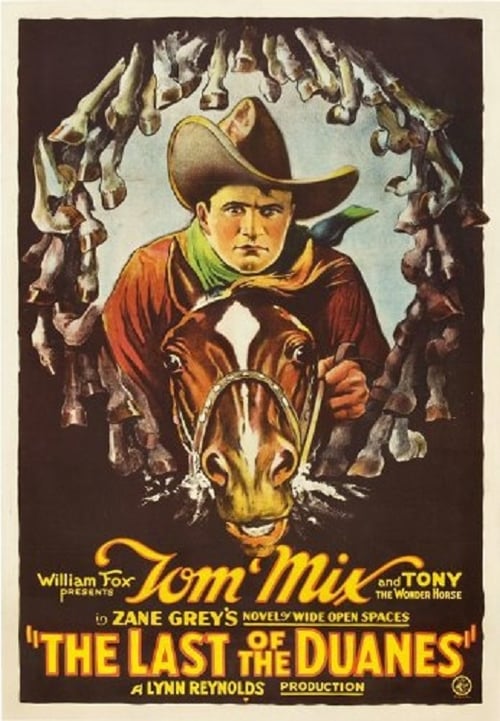
The Last of the Duanes
1924
No user ratings available yet
Diversity score: 2.2 out of 10

1918
PassedDirector
Lynn Reynolds
Runtime
50 minutes
Average Rating
No ratings yetSynopsis
Clay Burgess (Tom Mix), a drifter, returns to the small town of Palo to find the president of the bank -- his father -- murdered and the unscrupulous "Big" Dave Dawley (George Nichols) in charge.
Overall Score
Minimal
Category Breakdown
LGBTQ+ Representation
The film contains no evidence of LGBTQ+ characters or narratives. It adheres to the standard social constraints and heteronormative structures of 1918 cinema.
Gender Representation
The story centers on a male protagonist navigating patriarchal structures. It relies on traditional masculine leadership and archetypes typical of the Western genre.
Racial & Ethnic Diversity
The narrative likely reinforces homogeneous depictions of the American frontier. There is no evidence of characters of color possessing significant agency.
Religious & Cultural Diversity
The film follows a traditional Western morality framework. It focuses on conventional themes of law, order, and familial duty rather than challenging institutions.
Disability Representation
There is no mention or indication of characters with visible or invisible disabilities. The narrative does not address disability in any capacity.
Strengths
Areas for Improvement
AI Analysis
Fame and Fortune is a quintessential silent-era Western that prioritizes established genre tropes over social complexity. The plot follows a drifter seeking justice for his murdered father, a framework that reinforces traditional masculine heroism and patriarchal social orders. The film lacks intersectional depth, focusing instead on a binary struggle between an unscrupulous antagonist and a righteous protagonist. This reliance on conventional morality and frontier archetypes results in a narrow narrative scope that avoids diverse perspectives or systemic critiques. Ultimately, the work functions as a standard genre piece of its time, emphasizing individual heroism and the restoration of traditional order rather than exploring diverse identities or social hierarchies.
1924
1954
1947
1935
1934
1947
1919
1926
1950
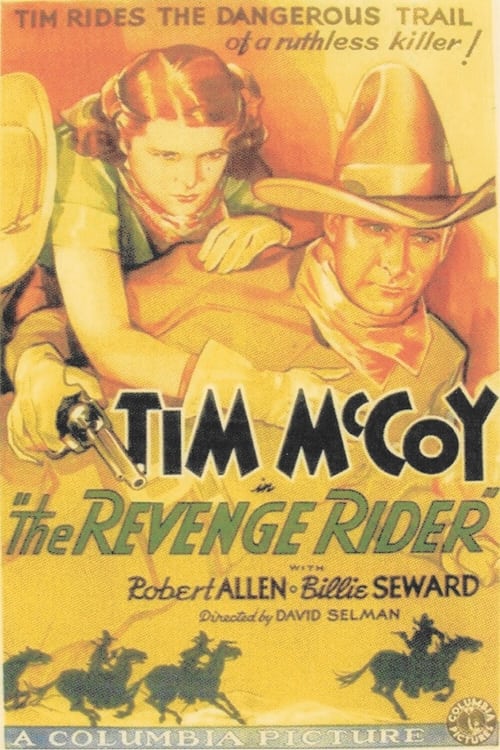
1935
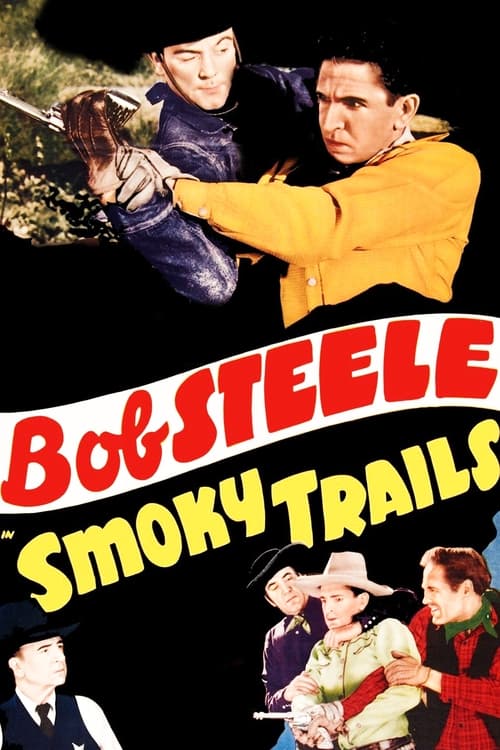
1939
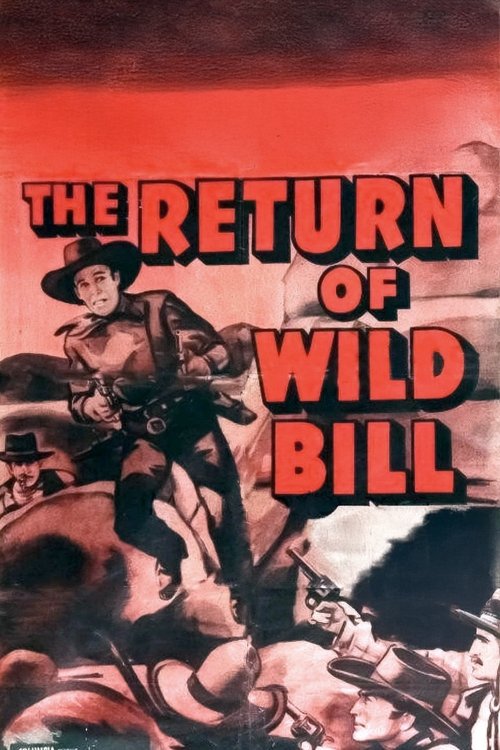
1940
No reviews yet. Be the first to share your thoughts on this movie!
Use the rating form above to leave a star rating and optional review.