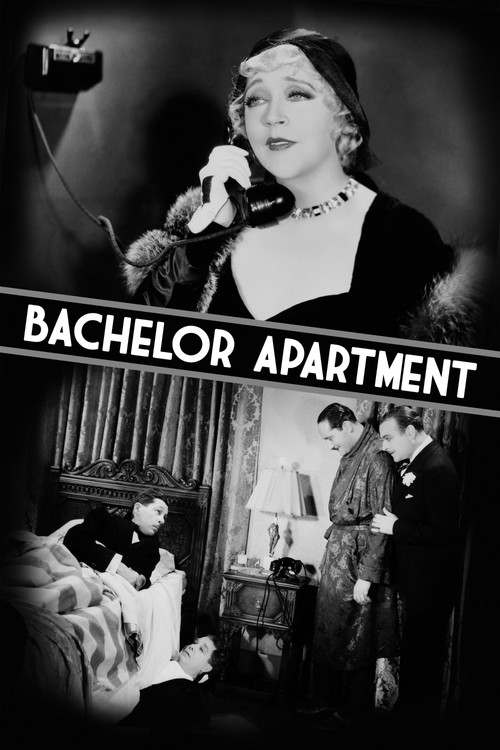
Bachelor Apartment
1931
No user ratings available yet
Representation score: 3.1 out of 10
Representation Score
Minimal
1929
TV-GDirector
William A. Seiter
Runtime
81 minutes
Average Rating
No ratings yetNew Showbiz Analysis
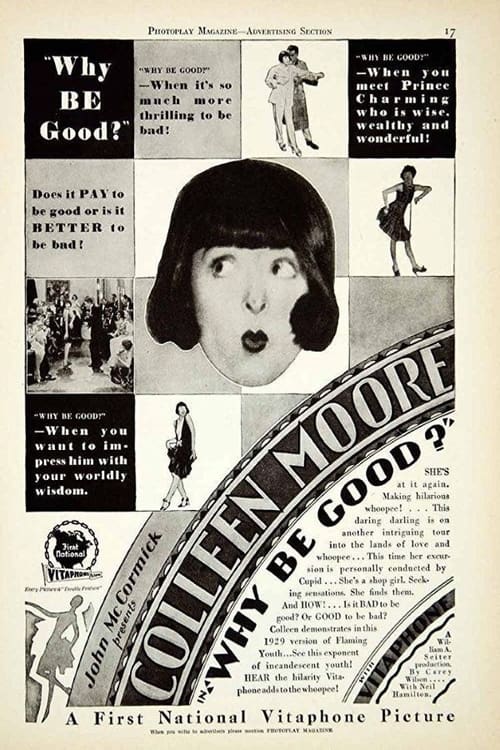
Why Be Good? is a product of the transition from silent to early talkie films, heavily relying on the flapper archetype. While the main character represents a degree of social rebellion, the narrative remains tied to the era's standard romantic comedy clichés and socioeconomic hierarchies. The film lacks complexity in its portrayal of different aspects of identity, focusing instead on individual romantic relationships. It adheres to the demographic and social norms of 1929 Hollywood, offering little disruption to traditional power dynamics or societal structures. Ultimately, the film serves as a study of evolving gendered social behaviors within its time period rather than challenging broader cultural or racial status quos.
Category Breakdown
The film follows a typical romantic storyline between a woman and a man, with no indication of non-straight relationships or stories that challenge the assumption that everyone is straight.
The portrayal of the flapper character suggests a change in women's social roles compared to earlier times. However, the story still depends on traditional romantic hierarchies and solutions focused on the home.
The film likely reflects the predominantly white and Anglo-Saxon casting practices of 1929 Hollywood. There is no specific mention of non-white or non-Anglo-Saxon characters in the story.
The story centers on class-based romance within a capitalist society. It operates within the conventional moral and social norms of early 20th-century American cinema.
The synopsis does not provide any information about the inclusion or depiction of characters with physical or neurodivergent disabilities.
Present on Screen
Limited or Absent
Official Synopsis
A flapper unwittingly falls for the boss' son.
1931

1928

1927

1928
1933

1928
1920
1931
No reviews yet. Be the first to share your thoughts on this movie!
Use the rating form above to leave a star rating and optional review.