The Deadly Mantis
1957
No user ratings available yet
Representation score: 0.5 out of 10
Representation Score
Minimal
1959
ApprovedDirector
Ray Kellogg
Runtime
74 minutes
Average Rating
No ratings yetNew Showbiz Analysis
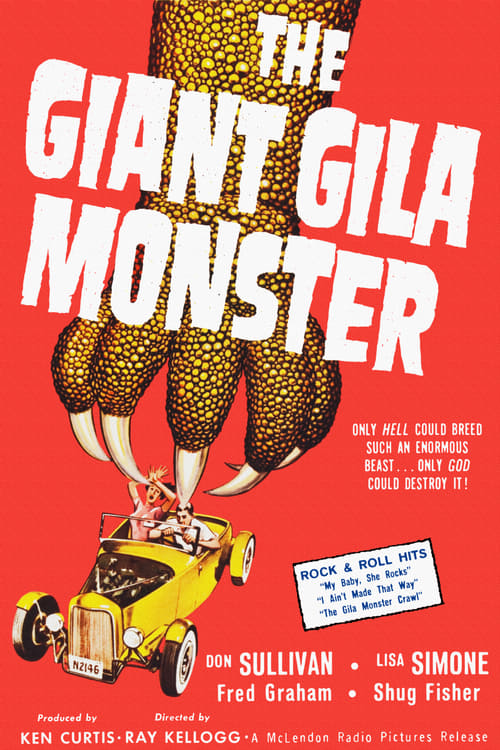
The Giant Gila Monster is a quintessential mid-century B-movie that focuses on genre spectacle rather than social commentary. Its narrative structure reinforces the traditional hierarchies and demographic homogeneity of the 1950s. Representation is minimal across all categories. The film centers on a predominantly white cast and male characters as the main drivers of action and problem-solving. Female and minority voices are largely absent or relegated to the periphery. Ultimately, the film serves as a product of its time, maintaining the status quo through conventional morality centered on community survival and established Western institutions.
Category Breakdown
The film does not include any LGBTQ+ characters or non-straight identities. It strictly follows the assumption that everyone is straight or cisgender, reflecting the social structures of the late 1950s.
Male characters such as Chase Winstead play a significant role in driving the story, while female characters play secondary, reactive roles within a patriarchal structure.
The cast is primarily white, reflecting the era's lack of diversity. The setting is a culturally homogeneous Western environment without varied ethnic backgrounds.
The story highlights the preservation of social order through established institutions. It portrays Western structures as stable and unquestioned elements of the social fabric.
There is no depiction of physical, sensory, or neurodivergent disabilities. Characters are shown through a lens of standard physical capability.
Present on Screen
Limited or Absent
Official Synopsis
A small town in Texas finds itself under attack from a hungry, fifty-foot-long gila monster. No longer content to forage in the desert, the giant lizard begins chomping on motorists and train passengers before descending upon the town itself. Only Chase Winstead, a quick-thinking mechanic, can save the town from being wiped out.
1957
1955
1959
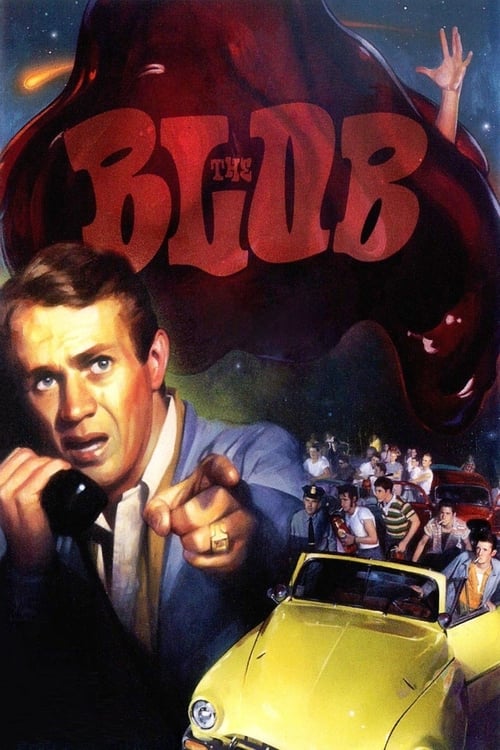
1958
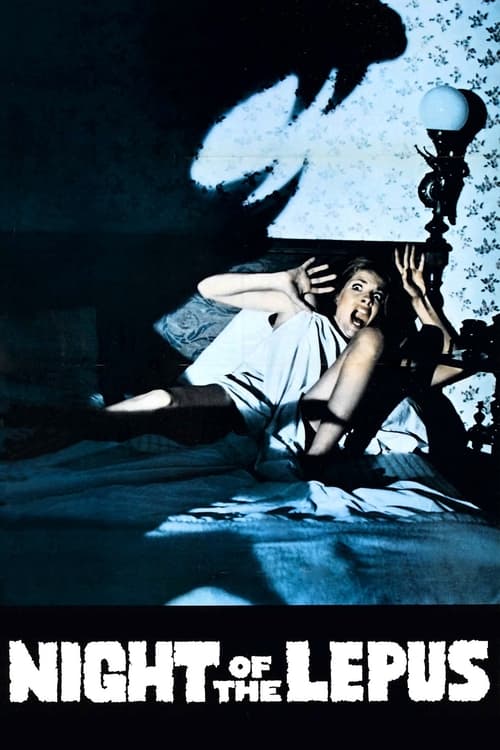
1972
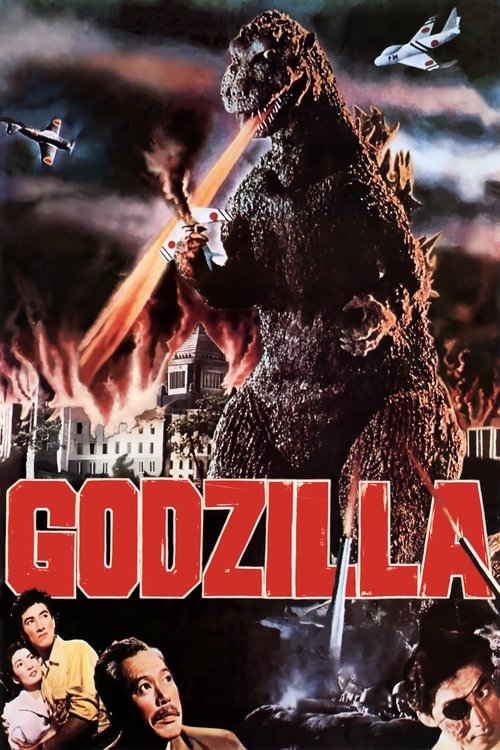
1954
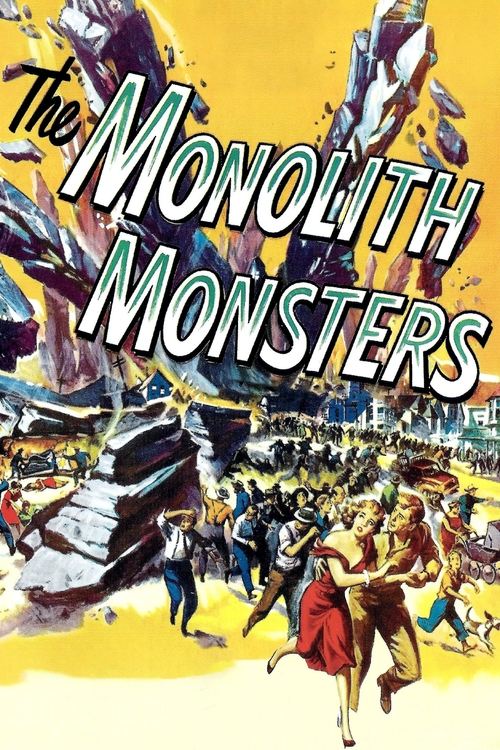
1957
1957
No reviews yet. Be the first to share your thoughts on this movie!
Use the rating form above to leave a star rating and optional review.