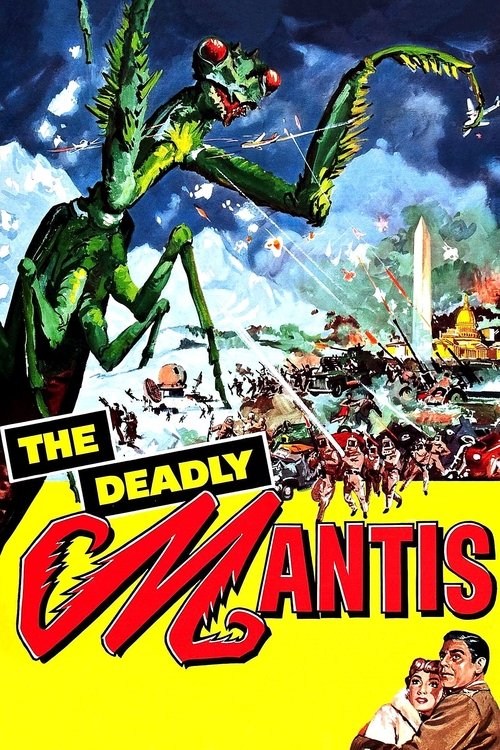
The Deadly Mantis
1957
No user ratings available yet
Representation score: 0.5 out of 10
Representation Score
Minimal
1966
NRDirector
Michael A. Hoey, Jon Hall, Arthur C. Pierce
Runtime
87 minutes
Average Rating
No ratings yetNew Showbiz Analysis
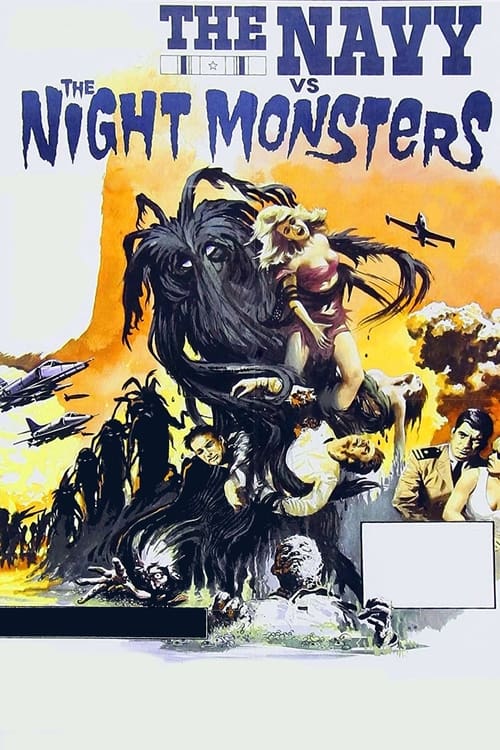
The film serves as a typical example of mid-century genre cinema, emphasizing traditional hierarchies over diverse representation. It upholds the social norms of its time through a narrow lens of identity and authority. With an all-male, white ensemble, the narrative avoids challenging gendered power dynamics or racial diversity. The story is driven by institutional discipline, lacking a broad range of human experiences. Overall, the film does not intentionally address underrepresented identities, presenting a viewing experience that aligns with the 1960s status quo.
Category Breakdown
The film does not include any LGBTQ+ characters or narratives. It follows the conventional straight-centered standards of the 1960s.
The story revolves around a strictly masculine military structure. An all-male cast excludes female roles and reinforces traditional gender roles.
Casting reflects the demographic uniformity of 1960s studio productions. The ensemble is predominantly white, focusing on a Caucasian perspective.
The narrative highlights Western institutions and US Navy patriotism. It reinforces traditional wartime ideals without questioning imperialism or social structures.
There is no depiction of visible or invisible disabilities. The focus is solely on physical combat readiness and military capabilities.
Present on Screen
Limited or Absent
Official Synopsis
US Navy battles monsters unearthed from the frozen arctic.
1957
1951

1954
1953
1957
1964

1965
1963
No reviews yet. Be the first to share your thoughts on this movie!
Use the rating form above to leave a star rating and optional review.