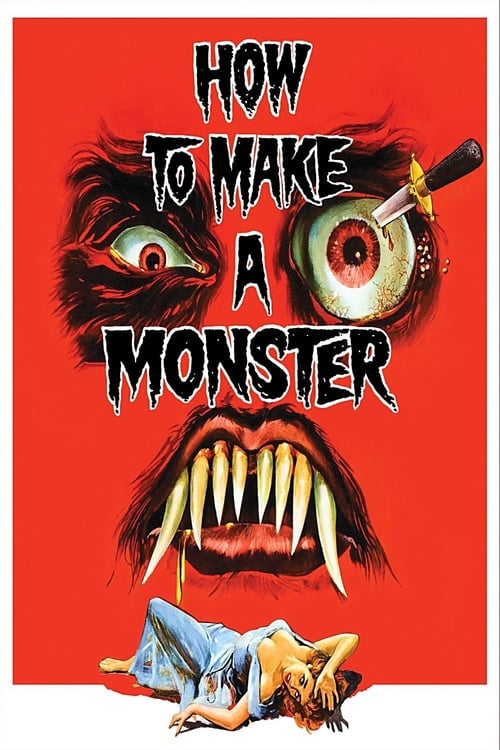
How to Make a Monster
1958
No user ratings available yet
Representation score: 1.6 out of 10

Representation Score
Minimal
1957
ApprovedDirector
Herbert L. Strock
Runtime
74 minutes
Average Rating
No ratings yetNew Showbiz Analysis
This 1957 horror film follows the conventions of its time, using traditional storytelling and character types. It does not aim to challenge societal norms or hierarchies. While the film offers some understanding of the protagonist's physical condition and social integration, it does not address multi-layered identities or diverse backgrounds. The narrative structure serves typical genre expectations.
Category Breakdown
The film does not include any LGBTQ+ characters or narratives that question traditional gender roles. It assumes everyone is straight and cisgender.
The film upholds traditional gender roles from the 1950s. Female characters mainly support the male lead's journey and have limited ability to act.
The cast is predominantly white, reflecting the demographics of the time. There is no engagement with diverse racial backgrounds.
The film uses the mad scientist cliché without challenging Western or capitalist ideologies. It adheres to conventional genre conventions.
The protagonist's journey explores themes of physical change and identity, focusing on social acceptance rather than mocking disabilities.
Present on Screen
Limited or Absent
Official Synopsis
Professor Frankenstein creates a teenager from an accident victim, who gets angry when he learns he is going to be taken apart.
1958
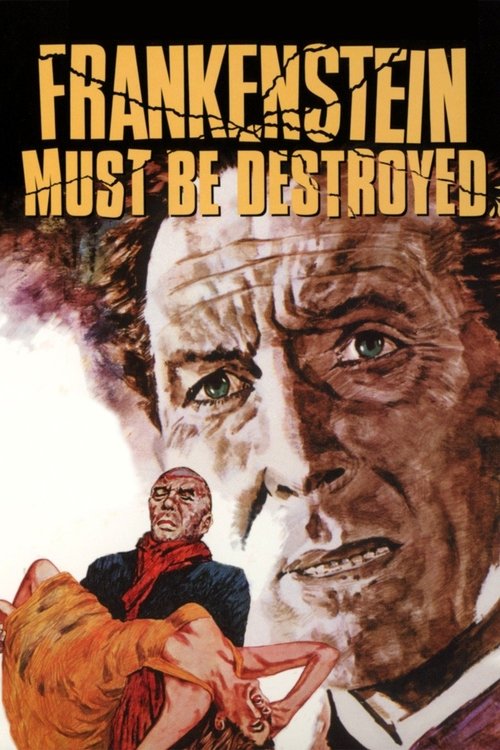
1969
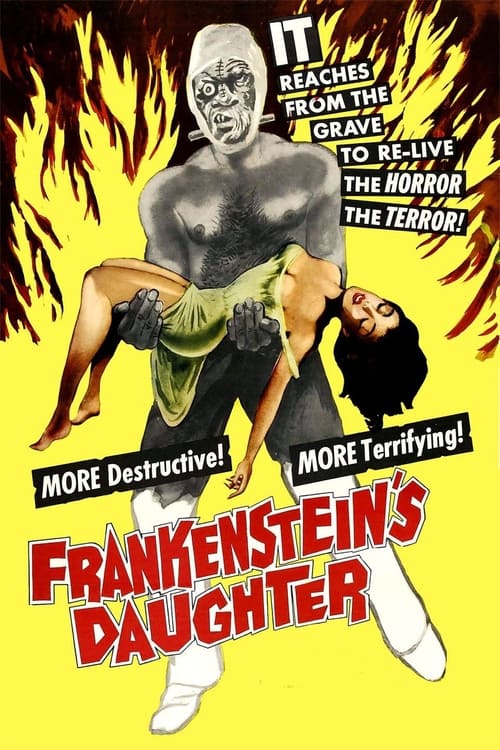
1958

1974

1970
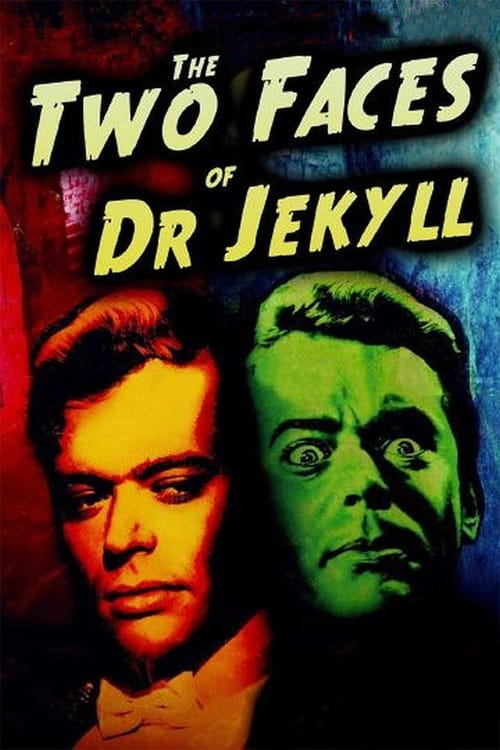
1960
1977

1958
No reviews yet. Be the first to share your thoughts on this movie!
Use the rating form above to leave a star rating and optional review.