
Cuba and the Cameraman
2017
No user ratings available yet
Diversity score: 6.5 out of 10

2012
Director
Camilo Tavares
Runtime
77 minutes
Average Rating
No ratings yetSynopsis
Stunning espionage documentary on the US conspiracy that led to the 1964 Brazilian coup d'état. John F. Kennedy and Lyndon Johnson original White House tapes, and CIA Top Secret documents reveal how the US government planned to overthrow Brazilian elected president João Goulart.
Overall Score
Good
Category Breakdown
LGBTQ+ Representation
The film maintains a neutral stance regarding LGBTQ+ identities. As a historical documentary focused on espionage, it lacks character-driven narratives involving queer identities.
Gender Representation
The narrative centers on the male-dominated political and military hierarchies of the 1960s. It documents male leaders and intelligence officers without subverting traditional gender roles.
Racial & Ethnic Diversity
The documentary provides agency to Brazilian political actors and the civilian population. It disrupts Western-centric lenses by centering the sovereignty of a Global South nation.
Religious & Cultural Diversity
The film offers a strong critique of Western institutional power and imperialist intervention. It frames US intelligence apparatus as systemic aggressors rather than benevolent actors.
Disability Representation
There is no discernible focus on disability or neurodivergence. Subjects are analyzed through their political agency and historical impact rather than physical or mental capacities.
Strengths
Areas for Improvement
AI Analysis
The documentary excels at deconstructing Western-centric historical narratives. By utilizing declassified CIA documents and White House tapes, it shifts the focus toward the agency of a non-Western nation facing imperialist intervention. However, the film operates within the rigid social structures of the 1960s. It lacks representation of LGBTQ+ identities and offers little subversion of the masculine-dominated political landscape of the era. Ultimately, the work functions as a systemic critique. It prioritizes geopolitical deconstruction over individual character diversity, making it a vital piece of anti-imperialist historical media.
2017
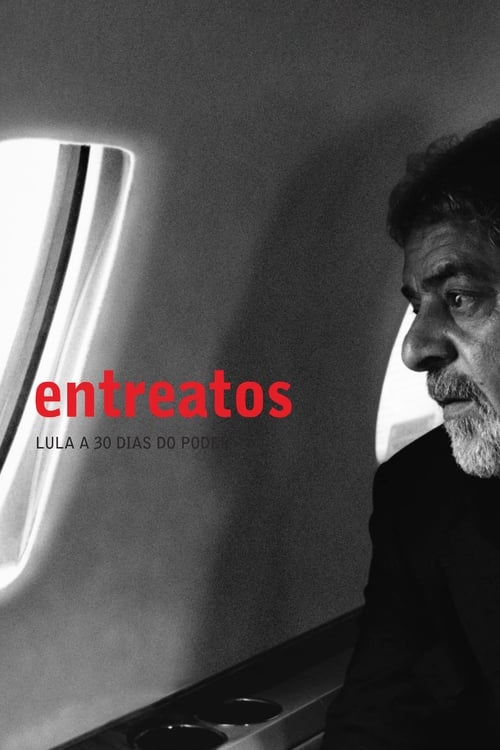
2004
2007
1994
1971
2020

1977
2016

2012
2009
1977

1976
No reviews yet. Be the first to share your thoughts on this movie!
Use the rating form above to leave a star rating and optional review.