
Silenced
2014
No user ratings available yet
Representation score: 6.1 out of 10
Representation Score
Excellent
2009
Not RatedDirector
Judith Ehrlich, Rick Goldsmith
Runtime
92 minutes
Average Rating
No ratings yetNew Showbiz Analysis
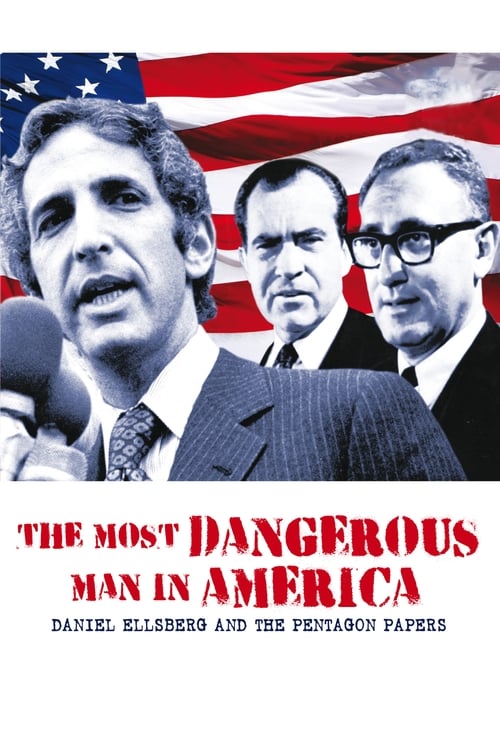
The documentary serves as a powerful historical reevaluation, focusing on the tension between individual conscience and the 'imperial presidency.' It successfully breaks down mid-century power structures and the dominance of the state. While the film offers a strong cultural critique and captures the evolving social landscape of the 1960s, it lacks specific, character-driven representation for underrepresented groups. The narrative emphasizes political struggles over individual identity politics. Ultimately, the film is a study of institutional critique, highlighting the intellectual empowerment gained from rejecting state authority, while keeping certain demographic representations in the background.
Category Breakdown
The film provides historical context about the early days of the gay rights movement. It discusses the social changes of the time without focusing on a specific LGBTQ+ character.
The documentary looks at how traditional gender roles changed in the 1960s. It shows women moving from traditional roles to more active participation in social movements.
Archival footage captures the variety of ethnic groups involved in activist movements of the time. This highlights the diversity within the broader counterculture movement.
The film effectively critiques traditional Western institutions and the concept of the 'American Dream.' It portrays resistance to establishment as a smart rebellion against systemic issues.
The film does not specifically address individuals with disabilities. It does not focus on neurodivergence or mental health as central themes.
Present on Screen
Limited or Absent
Official Synopsis
"The Most Dangerous Man in America" is the story of what happens when a former Pentagon insider, armed only with his conscience, steadfast determination, and a file cabinet full of classified documents, decides to challenge an "imperial" presidency – answerable to neither Congress, the press, nor the people – in order to help end the Vietnam War.
2014
2012
2003
2020
2007
2005

2002
2012
No reviews yet. Be the first to share your thoughts on this movie!
Use the rating form above to leave a star rating and optional review.