
As Pinturas do Meu Irmão Júlio
1965
No user ratings available yet
Representation score: 4.6 out of 10
Representation Score
Limited
1956
Director
Manoel de Oliveira
Runtime
26 minutes
Average Rating
No ratings yetNew Showbiz Analysis
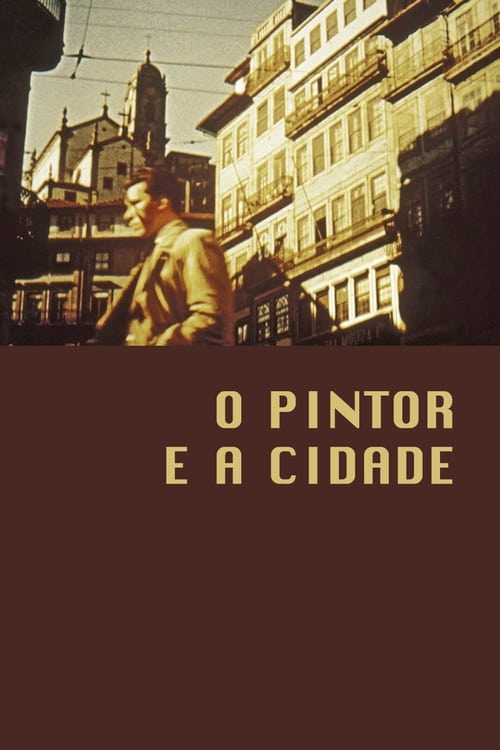
Manoel de Oliveira’s documentary focuses on the blend of art and the urban landscape of Porto. The film emphasizes the painter’s perspective over identity-focused stories. While the film captures various aspects of urban life, including workers and children, these elements serve an impressionist realism rather than a social critique. The film stays true to the observational traditions of its time. Ultimately, the work does not aim to challenge social norms or promote diverse representation, focusing instead on the development of the city through an artistic lens.
Category Breakdown
The film functions as a documentary study of urban life and artistic process. There is no evidence of LGBTQ+ characters or stories about sexual orientation.
The film centers on António Cruz, a male painter. While it shows a range of people, it lacks strong female roles or challenges to gender hierarchies.
Set in 1956 Porto, the film likely reflects the mostly white population of mid-century Portugal. There is no evidence of intentional racial diversity or non-white casts.
The film looks at the changes in urban life, showing both old and new buildings. It focuses on observational realism rather than criticizing religious or capitalist institutions.
The observational style of the film does not show any specific portrayals of physical or mental disabilities.
Present on Screen
Limited or Absent
Official Synopsis
The painter António Cruz wanders around the city of Porto painting what he sees: old and modern buildings, people arriving and leaving work in the factories, children playing. The impressionist realism of Cruz’s drawings dissolves into Oliveira’s vision of Porto, which at the same time portrays the painter and his work.
1965
1929

2001

1927

1978
1928
1931
1947
No reviews yet. Be the first to share your thoughts on this movie!
Use the rating form above to leave a star rating and optional review.