
Historic Centre
2012
No user ratings available yet
Representation score: 5.6 out of 10

Representation Score
Minimal
2001
Director
Manoel de Oliveira
Runtime
58 minutes
Average Rating
No ratings yetNew Showbiz Analysis
Manoel de Oliveira’s autobiographical documentary is a sophisticated, non-linear exploration of memory. It prioritizes philosophical inquiry and the deconstruction of temporal reality over contemporary social commentary. The film's low diversity score comes from its hyper-localized focus on a specific historical European context. It emphasizes traditional social and demographic structures rather than multi-layered disruption. Ultimately, the work is a lyrical, postmodern study of a specific time and place, making it a deeply personal reflection rather than a tool for social critique.
Category Breakdown
The film serves as a personal reflection on nostalgia within a traditional Portuguese setting. It does not include narratives that question the assumption that everyone is straight or cisgender, nor does it feature characters with diverse gender identities.
Gender roles in the film reflect the socioeconomic conditions of early 20th-century Porto. While it explores adolescent attraction, it does not aim to challenge established social hierarchies.
The production centers on a specific European context with a relatively uniform population. It does not significantly blend races or cast actors from diverse backgrounds to challenge traditional formulas.
The story delves into the cultural fabric of Portugal through Catholic themes and middle-class structures. It remains contemplative rather than challenging traditional Western values.
The film focuses on sensory memory and the passage of time. There is no indication of characters being used in connection with visible or invisible disabilities.
Present on Screen
Limited or Absent
Official Synopsis
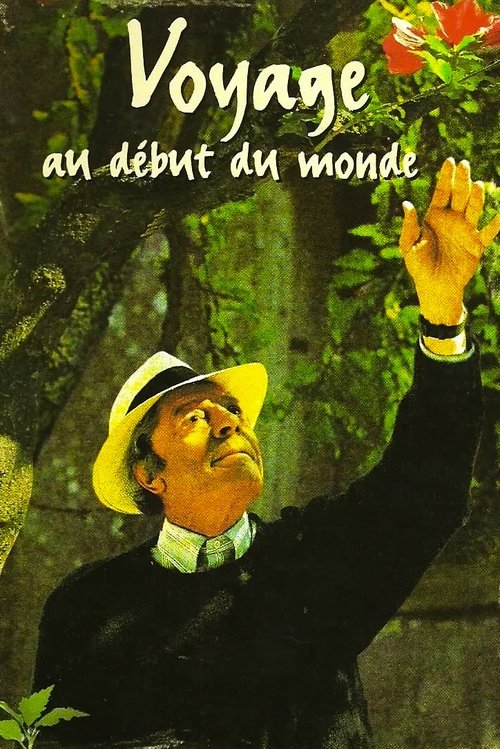
Manoel de Oliveira's autobiographical documentary about returning to his hometown.
2012

2008
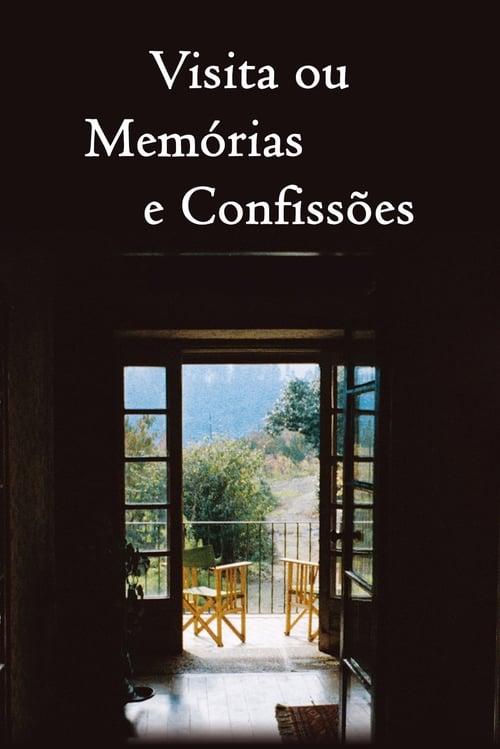
2015
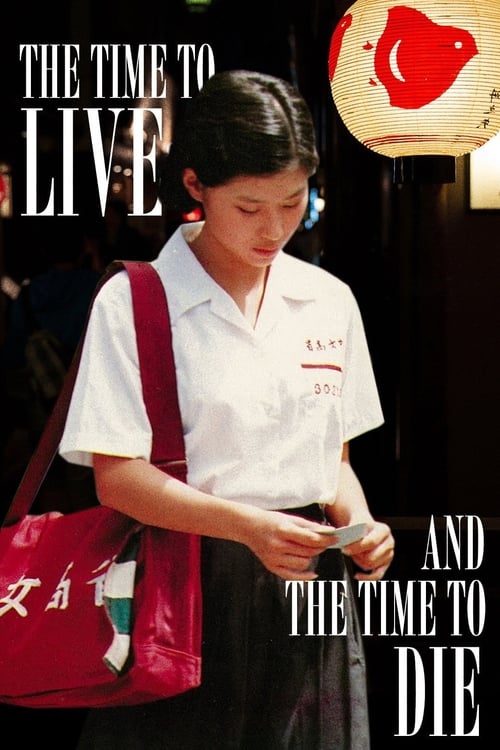
1985
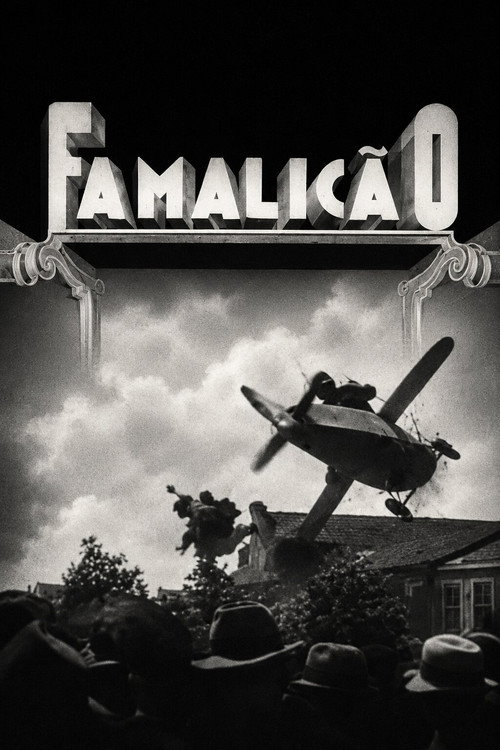
1941
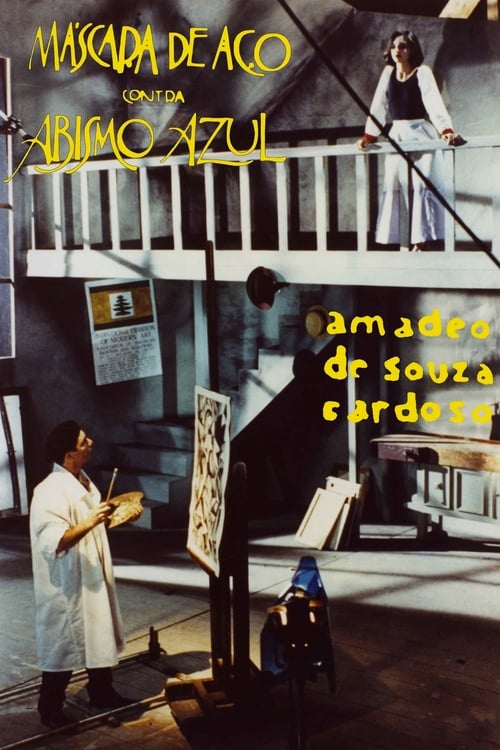
1988
1997

1956
No reviews yet. Be the first to share your thoughts on this movie!
Use the rating form above to leave a star rating and optional review.