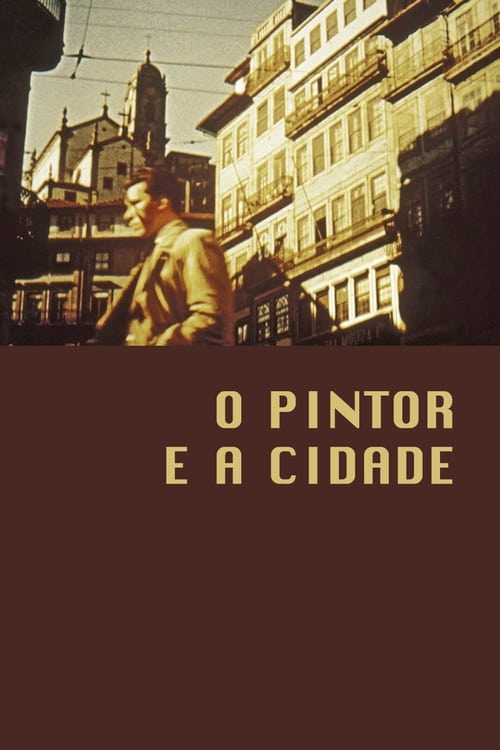
The Artist and the City
1956
No user ratings available yet
Representation score: 2.2 out of 10
Representation Score
Fair
1965
Director
Manoel de Oliveira
Runtime
15 minutes
Average Rating
No ratings yetNew Showbiz Analysis
Manoel de Oliveira’s documentary is a formalist exercise in aesthetic appreciation rather than a vehicle for social representation. It prioritizes the sensory rhythm of art over traditional narrative structures. The film's intimate, biographical focus on a male artist and his brother limits its engagement with overlapping aspects of identity. It functions as a meditative study of a singular cultural perspective. While the work avoids traditional didacticism, it does not actively disrupt systemic social hierarchies or provide diverse representation.
Category Breakdown
The documentary centers on the artistic legacy of Júlio Régio. There are no explicit LGBTQ+ characters or narratives focusing on non-cisgender identities.
The story revolves around the relationship between the filmmaker and his brother. It lacks women's ability to drive the story and does not challenge traditional gender power dynamics.
This is an intimate study of a specific Portuguese artist. It reflects the demographic homogeneity typical of 1965 Portuguese cinema.
The film prioritizes aesthetic mood over didactic narrative. It shifts focus away from institutional dogma toward a secular, individualistic appreciation of art.
There is no evidence of characters or subjects with visible or invisible disabilities.
Present on Screen
Limited or Absent
Official Synopsis
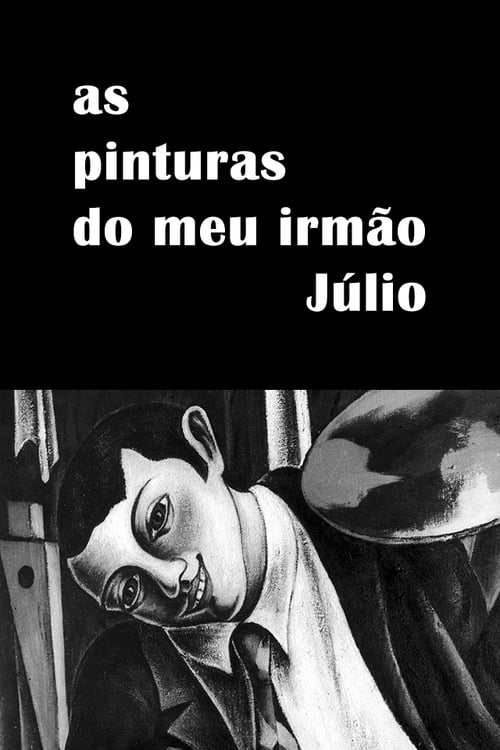
The camera shows the vivid paintings by late Júlio Régio, with a narrative by his brother, while guitar tunes underline the mood and rhythm of the cinematography.
1956
1929
1948
1999
2016
1977
1941
2017
No reviews yet. Be the first to share your thoughts on this movie!
Use the rating form above to leave a star rating and optional review.