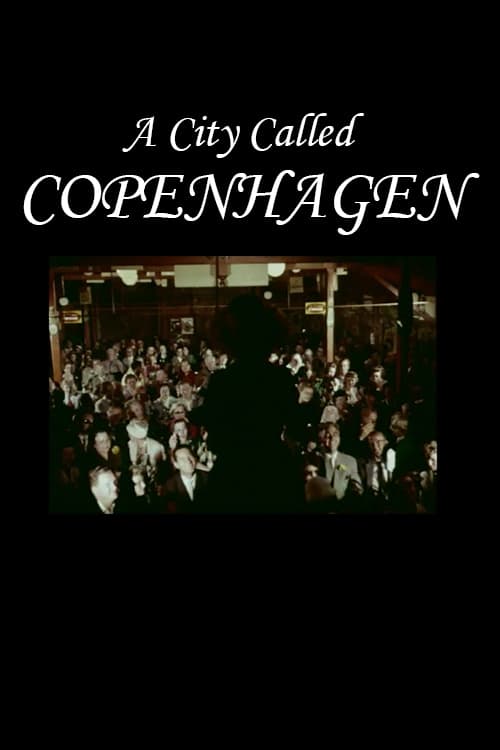
A City Called Copenhagen
1960
No user ratings available yet
Representation score: 3.3 out of 10

Representation Score
Limited
1947
Director
Arne Sucksdorff
Runtime
18 minutes
Average Rating
No ratings yetNew Showbiz Analysis
Symphony of a City is a poetic, impressionistic documentary that prioritizes the visual texture of Stockholm over character-driven storytelling. Due to its montage format, it lacks the narrative structure needed to explore complex identities or social hierarchies. The film provides a snapshot of 1940s Sweden, reflecting the era's demographic uniformity. While it avoids heavy-handed religious promotion, it does not actively challenge the social norms of its time. Ultimately, the work is a masterpiece of cinematic rhythm, but it remains a product of its historical context, offering limited progressive representation.
Category Breakdown
The film does not include any characters or stories related to LGBTQ+ identities. Its focus is on the rhythms of urban life rather than individual queer experiences.
Women are shown in various daily activities, but the montage format prevents the exploration of complex gender roles. The depiction adheres to 1940s social norms without challenging power dynamics.
The visual landscape reflects the demographic uniformity of post-war Stockholm. There is no indication of significant racial or ethnic diversity in the captured scenes.
The film portrays a secular, humanist perspective on urban life. It emphasizes collective movement and labor over religious institutions or singular moralities.
The documentary focuses on the rhythms of an able-bodied population. There is no evidence of characters with visible or invisible disabilities being given real power.
Present on Screen
Limited or Absent
Official Synopsis
An impressionistic short film celebrating Stockholm’s rhythms of life, blending images of its streets, waterways, people, and architecture into a visual “symphony.” Winner of the Academy Award (Oscar) for Best Short Subject, One-Reel in 1949 — the first Swedish film ever to receive an Oscar.
1960

1927
1928
1929
1929

2017

1956

1957
No reviews yet. Be the first to share your thoughts on this movie!
Use the rating form above to leave a star rating and optional review.