Famalicão
1941
No user ratings available yet
Representation score: 1.8 out of 10
Representation Score
Minimal
1931
Director
Manoel de Oliveira
Runtime
20 minutes
Average Rating
No ratings yetNew Showbiz Analysis
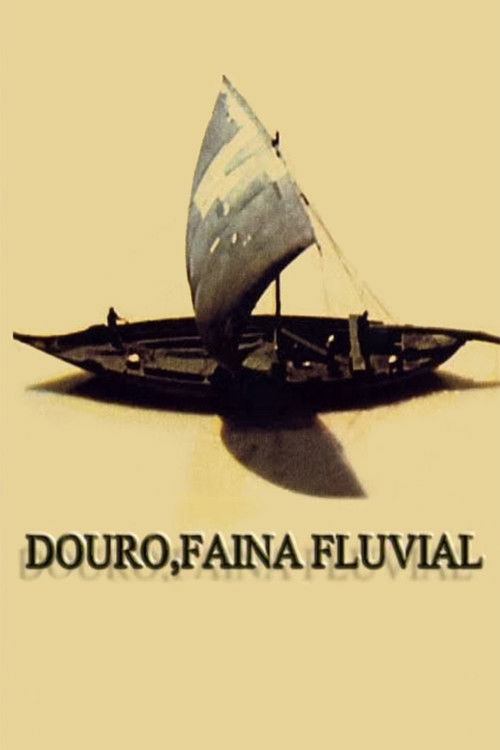
Manoel de Oliveira’s early documentary is a formalist study of labor rather than a vehicle for identity-driven storytelling. It captures the cyclical motions of manual workers along the River Douro. Without a scripted narrative or character arcs, it primarily serves as a historical record of the socio-economic ecosystem in 1931 Oporto. The demographic representation reflects the specific historical context of early 20th-century Portugal, resulting in a homogeneous portrayal of the working class.
Category Breakdown
There are no LGBTQ+ characters or explorations of gender identity in the film.
The film highlights a male-dominated sphere of heavy manual labor, reflecting the era's social structure without challenging gender hierarchies.
The film depicts a largely homogeneous Portuguese working-class population. There is no visible evidence of multi-ethnic casting or diverse racial backgrounds.
The work provides a grounded depiction of the working class, focusing on the gritty reality of industrial labor rather than romanticized pastoral scenes.
The film does not feature characters with visible or invisible disabilities. Disability is not used as a narrative device.
Present on Screen
Limited or Absent
Official Synopsis
Short silent documentary from 1931 about those working on the River Douro in Oporto.
1941

1927
1896
1897
1956
1942
1929
1896
No reviews yet. Be the first to share your thoughts on this movie!
Use the rating form above to leave a star rating and optional review.