
Blackbeard, the Pirate
1952
No user ratings available yet
Diversity score: 1.4 out of 10
1954
Director
Allen H. Miner
Runtime
74 minutes
Average Rating
No ratings yetSynopsis
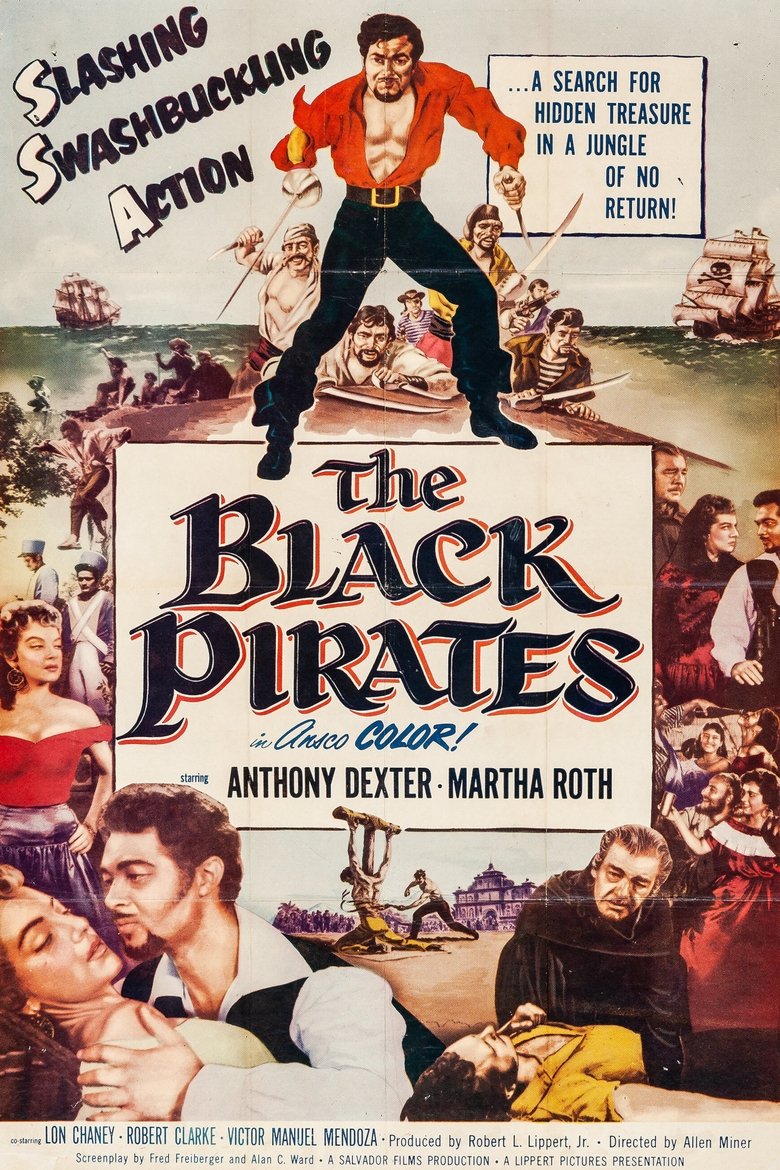
Pirates searching for treasure take over a small town in Central America where they believe the loot is buried, but discover that a church has been built over the spot. They force the townspeople to dig for it, but there are more surprises in store for them than they counted on.
Overall Score
Limited
Category Breakdown
LGBTQ+ Representation
The film lacks any evidence of non-cisnormative identities or narratives that challenge heteronormativity. It adheres to standard 1950s adventure conventions, which typically omit LGBTQ+ character arcs.
Gender Representation
The narrative focuses on masculine archetypes of conquest and physical dominance. Female characters likely occupy passive or victimized roles within the framework of the pirates' takeover.
Racial & Ethnic Diversity
While set in Central America, the film may rely on stereotypical portrayals of indigenous populations. It is unclear if characters of color possess agency or serve as secondary figures.
Religious & Cultural Diversity
The plot centers on a conflict between pirates and a church. This likely follows traditional Western moral frameworks rather than offering a critique of religious institutions.
Disability Representation
There is no indication of characters with visible or invisible disabilities within the story.
Strengths
Areas for Improvement
AI Analysis
The Black Pirates is a conventional mid-century adventure that relies heavily on established genre tropes. The narrative structure prioritizes male-driven conquest and physical dominance, offering little room for diverse perspectives or nuanced character development. While the Central American setting provides a backdrop for ethnic diversity, the film likely adheres to the era's tendency to frame non-Western populations as secondary to the protagonists. The conflict between secular treasure hunters and religious institutions appears to follow traditional moral storytelling rather than subverting social hierarchies. Ultimately, the film lacks the intentionality required to disrupt social norms. It functions as a standard product of 1954 cinema, reflecting the limited representation and social constraints of its time.
1952
1949
1960
1960
1972
1957
1950
1957
1940
1966

1956
1955
No reviews yet. Be the first to share your thoughts on this movie!
Use the rating form above to leave a star rating and optional review.