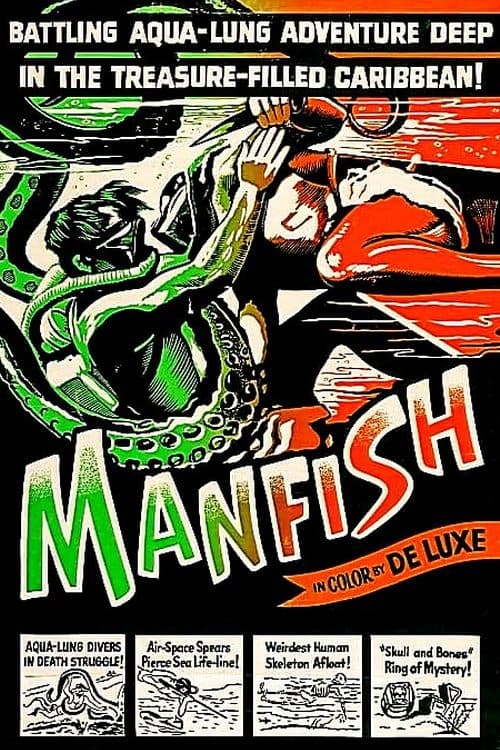
Manfish
1956
No user ratings available yet
Representation score: 2.1 out of 10
No Poster Available
Representation Score
Minimal
1957
ApprovedDirector
Richard Einfeld, Merrill G. White
Runtime
76 minutes
Average Rating
No ratings yetNew Showbiz Analysis
Ghost Diver is a typical mid-century adventure film that reflects the social norms of its time. The story focuses on traditional clichés of exploration and discovery rather than any meaningful social critique or diverse representation. The narrative centers on patriarchal leadership and Western goals. Although it includes South American settings and indigenous elements, these are used mainly as catalysts for a treasure hunt rather than for deep character development of non-Western populations. Overall, the film reflects the limited social perspectives of 1957, lacking representation for LGBTQ+ individuals and people with disabilities.
Category Breakdown
The film does not include any LGBTQ+ characters or stories about non-straight identities. It follows the standard storytelling frameworks typical of the 1950s, which assume everyone is straight.
Male characters, especially Papa Rico, the boat owner, have most of the leadership and control in the story. The film follows the conventional gender roles and patriarchal structures of the mid-1950s.
The story includes the Paracan Indians and takes place in South America. However, indigenous cultures seem to serve mainly as decorative backdrops or plot devices for a treasure hunt.
The story follows a traditional Western adventure format focused on the pursuit of material wealth. It aligns with mid-century clichés of exploration without much cultural critique.
There are no characters with visible or invisible disabilities mentioned in the film. The narrative does not represent neurodivergent individuals.
Present on Screen
Limited or Absent
Official Synopsis
While deep sea diving off the South American coast, Papa Rico, the owner of a fishing boat, finds the statue of an idol, a remnant of the lost treasure of the Paracan Indians.
1956

1967
1975

1950
1975
1981

1953
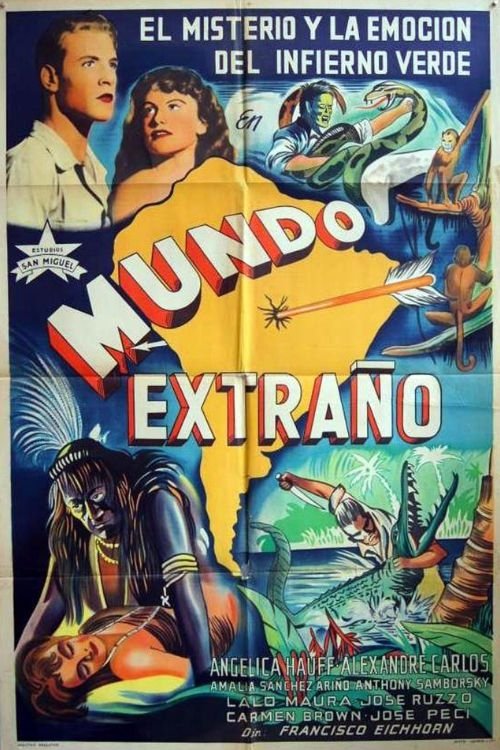
1950
No reviews yet. Be the first to share your thoughts on this movie!
Use the rating form above to leave a star rating and optional review.