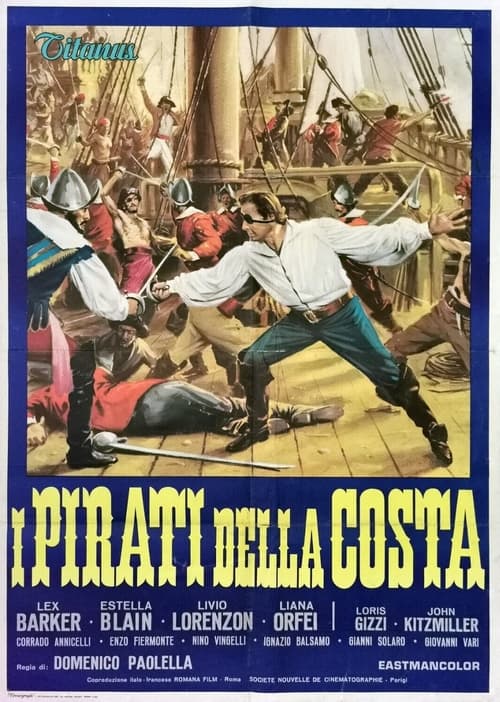
Pirates of the Coast
1960
No user ratings available yet
Diversity score: 2.3 out of 10
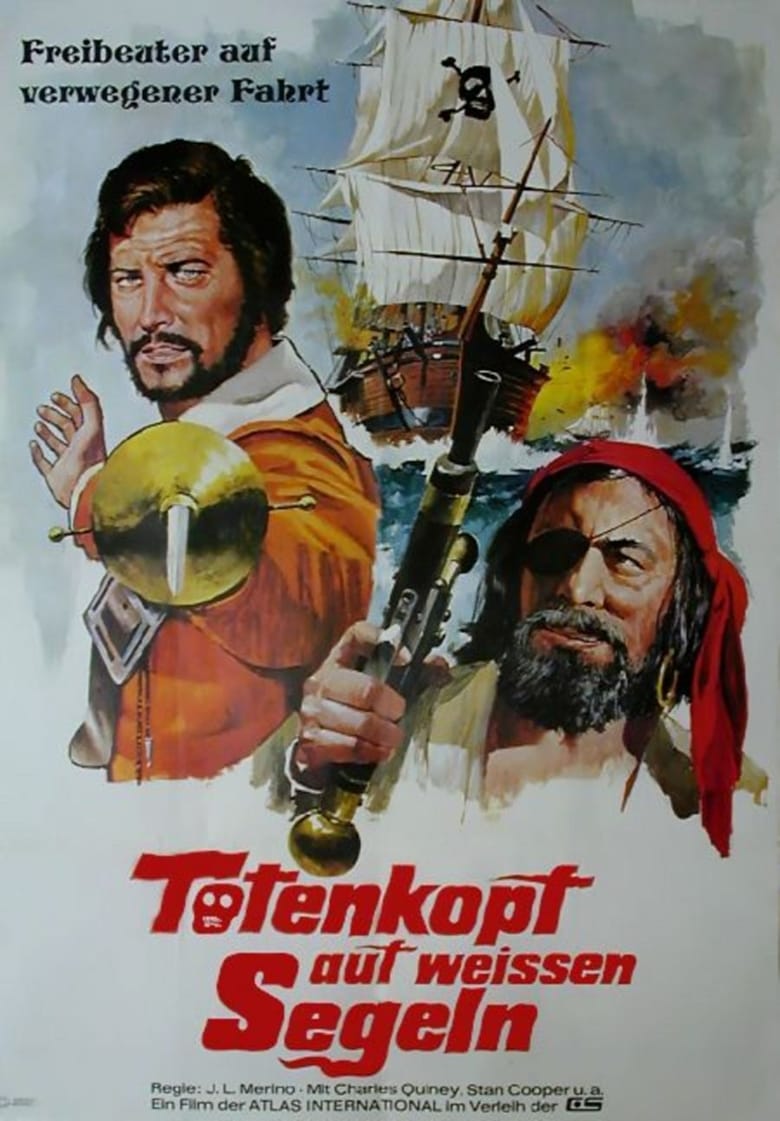
1972
Director
José Luis Merino
Runtime
90 minutes
Average Rating
No ratings yetSynopsis
Former pirate chief MacDonald has gone to England and won amnesty for his band of buccaneers, promising to reform them into peaceful colonial ways. But what follows is an engaging and ruthless tale of deceit and treachery as MacDonald faces ruin due to traitors who plot to overthrow him and seize Blood Island whose waters contain a valuable treasure.
Overall Score
Limited
Category Breakdown
LGBTQ+ Representation
The film lacks any evidence of LGBTQ+ characters or narratives. It appears to adhere to the standard heteronormative tropes common in 1972 adventure cinema.
Gender Representation
The story focuses on a male-dominated hierarchy of pirate chiefs and traitors. It reinforces traditional masculine leadership and patriarchal power dynamics.
Racial & Ethnic Diversity
The narrative utilizes colonialist frameworks centered on Eurocentric perspectives. There is no evidence of high-agency characters of color or race-bent casting.
Religious & Cultural Diversity
The premise aligns with Western expansionist narratives. The film supports the stability of colonial structures rather than critiquing them as oppressive.
Disability Representation
There is no mention of characters with visible or invisible disabilities. No data is available to assess this category.
Strengths
Areas for Improvement
AI Analysis
This adventure film operates within the conventional tropes of 1970s maritime cinema. The plot centers on power struggles and the transition from piracy to colonial life, which reinforces established social hierarchies rather than challenging them. The narrative lacks intersectional depth, focusing instead on a male-dominated struggle for territory and wealth. It follows a traditional Western expansionist framework that prioritizes Eurocentric perspectives and patriarchal leadership. Ultimately, the film functions as a standard pulp tale. It does not attempt to subvert social norms or provide representation for marginalized identities, sticking instead to the era's established genre expectations.
1960
1949
1954

1966
1966
1937

1956

1992
1953
1960
1964
1983
No reviews yet. Be the first to share your thoughts on this movie!
Use the rating form above to leave a star rating and optional review.