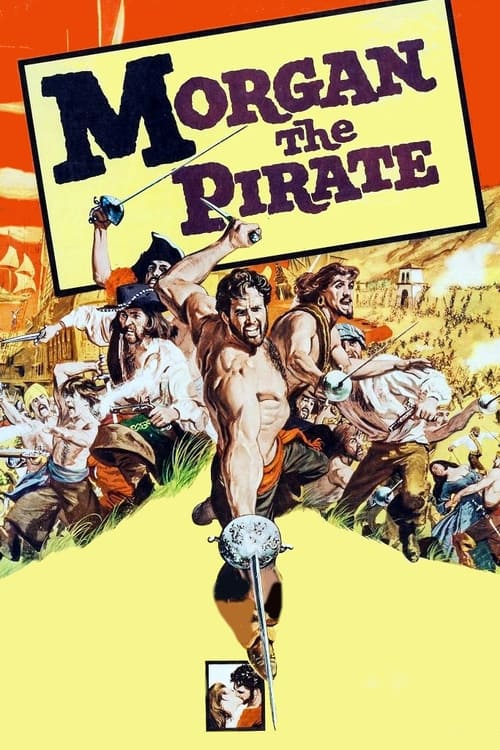
Morgan, the Pirate
1960
No user ratings available yet
Representation score: 1.0 out of 10
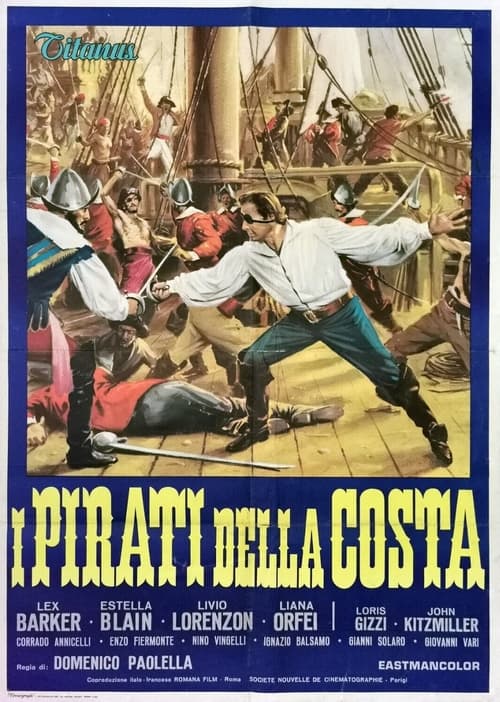
Representation Score
Limited
1960
Director
Domenico Paolella
Runtime
102 minutes
Average Rating
No ratings yetNew Showbiz Analysis
Pirates of the Coast is a product of its time, prioritizing traditional maritime heroism over social complexity. The narrative structure relies on established clichés of the 1960s adventure genre, focusing on a masculine conflict between a captain and pirates. The film lacks depth in reflecting multiple aspects of identity, reinforcing conventional morality and established social hierarchies. It serves as escapist entertainment rather than a work that challenges identity-driven narratives or explores diverse perspectives.
Category Breakdown
The film follows the straight-centered structures typical of 1960s adventure cinema. There is no indication of non-straight identities or same-sex relationships in the story.
The main character, Luis de Monterey, holds central ability to act, reinforcing traditional male dominance. Female characters may serve as secondary romantic interests or figures needing rescue.
The film likely reflects Eurocentric views common in cq1960s Italian productions. It lacks characters of color who play a significant role in driving the story or casting actors with backgrounds different from the roles.
The story follows a traditional Western framework of heroism. It emphasizes clear distinctions between civilized protagonists and lawless antagonists without challenging Western institutions.
Physical disabilities are not shown in a nuanced manner. In this era, such traits were often used as plot devices to increase tension or indicate weakness.
Present on Screen
Limited or Absent
Official Synopsis
Luis de Monterey is a ship captain who is pitted against a crafty pirates.
1960
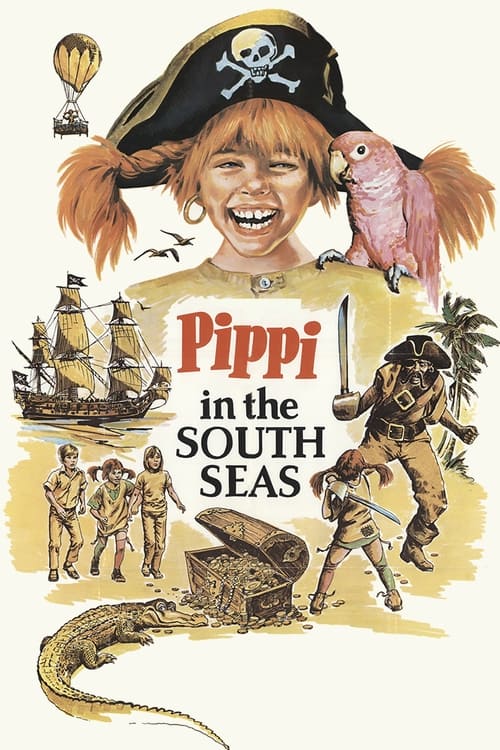
1970
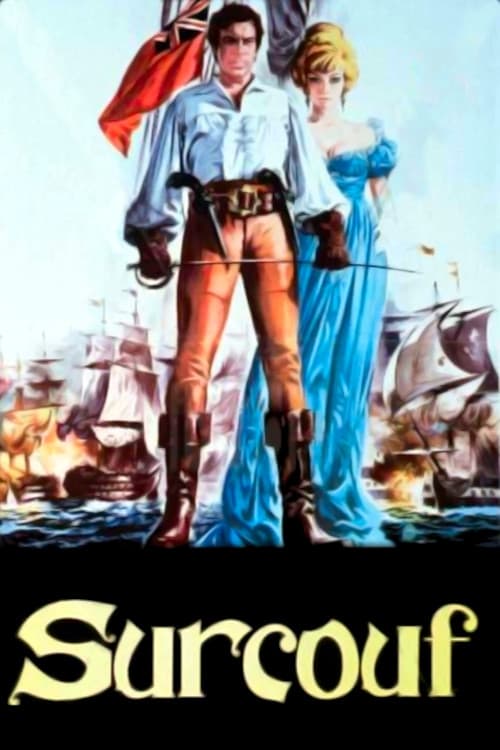
1966

1966
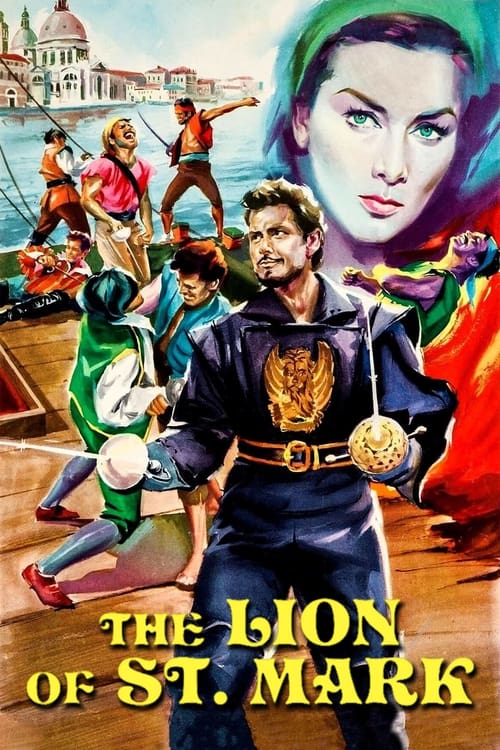
1963

1955
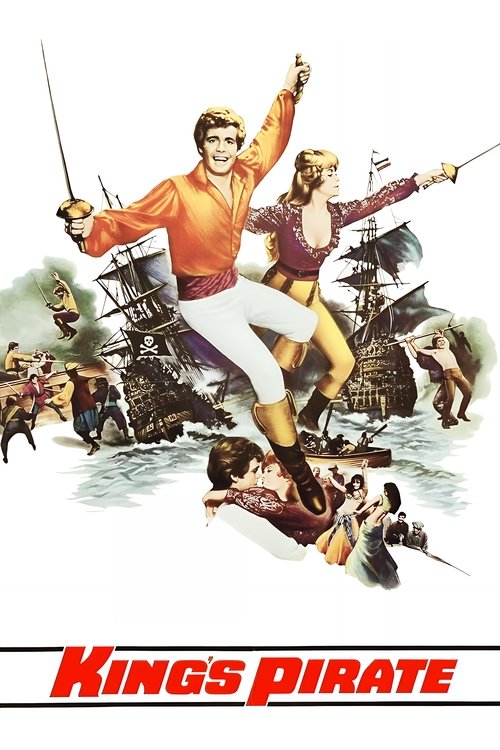
1967
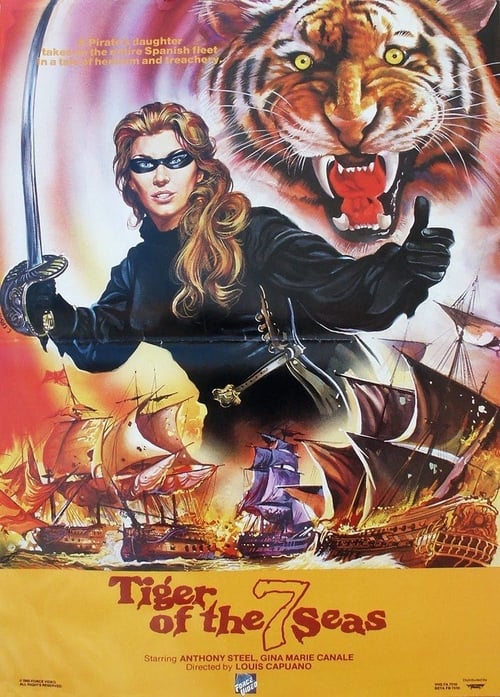
1962
No reviews yet. Be the first to share your thoughts on this movie!
Use the rating form above to leave a star rating and optional review.