You Don't Know What You're Doin'!
1931
No user ratings available yet
Representation score: 1.5 out of 10
Representation Score
Minimal
1933
Director
Rudolf Ising
Runtime
7 minutes
Average Rating
No ratings yetNew Showbiz Analysis
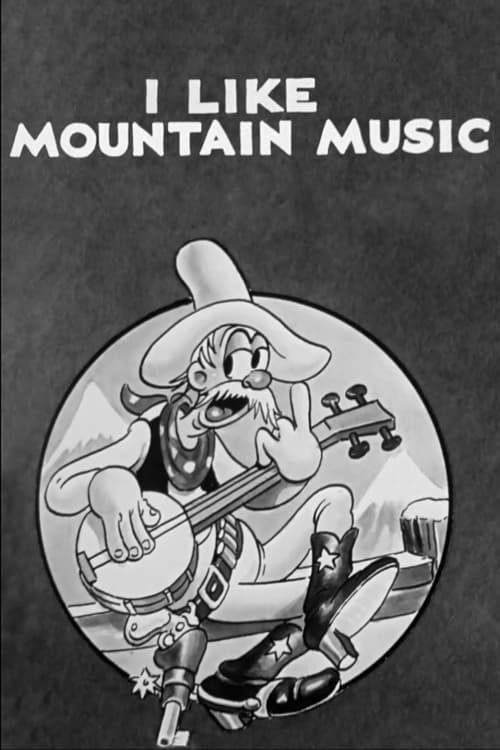
I Like Mountain Music is a surrealist musical revue that brings celebrity caricatures to life using a 'living magazine' concept. While visually inventive, the film reflects the homogeneous casting standards of 1930s American animation. The work serves as a celebratory, escapist piece of commercial media, prioritizing the recognition of established Western stars over diverse representations. It lacks the intentionality needed to challenge conventional demographic or gendered expectations, offering minimal representation of underrepresented groups.
Category Breakdown
The film does not include any LGBTQ+ characters or relationships. It focuses on traditional heterosexual relationships.
Female icons like Sonja Henie appear, but their roles are centered on traditional grace. Women are shown as decorative or performative elements rather than characters with significant influence.
The caricatures are predominantly Anglo-Saxon and Western European. While there are some international celebrities, the overall representation is centered on a white-majority perspective.
The film celebrates mainstream Western celebrity culture and musical entertainment. It functions as an escapist piece that reinforces the social norms of the 1930s.
There are no characters portrayed with visible or invisible disabilities. The focus remains on the idealized, able-bodied movements of the musical performers.
Present on Screen
Limited or Absent
Official Synopsis
After hours, individuals on various magazine covers in a drugstore come to life and sing, speak, or perform. Caricature celebrity depictions include George Arliss, Eddie Cantor, Sonja Henie, Benito Mussolini, Ignacy Paderewski, Edward G. Robinson, Will Rogers, and Ed Wynn. A robbery sequence features bad guys breaking into the cash register and Sherlock Holmes and Dr. Watson on the case. King Kong also makes an appearance. A Merrie Melody cartoon.
1931
1932
1932
1936
1933
1933
1935
1933
No reviews yet. Be the first to share your thoughts on this movie!
Use the rating form above to leave a star rating and optional review.