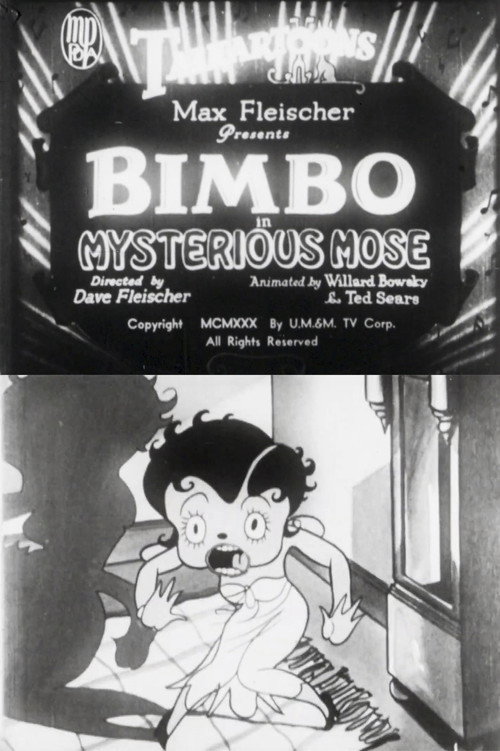
Mysterious Mose
1930
No user ratings available yet
Diversity score: 2.7 out of 10
1933
Director
Rudolf Ising
Runtime
7 minutes
Average Rating
No ratings yetSynopsis
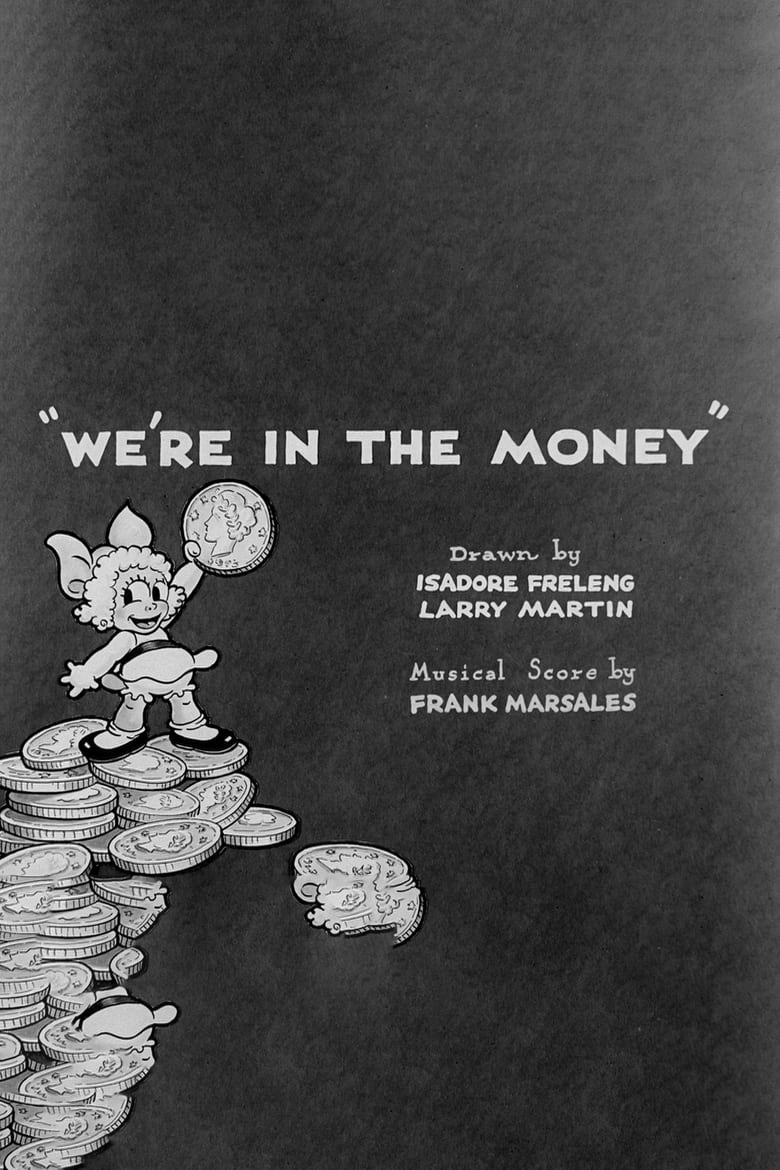
After the last human has left the department store, the toys proceed to the music department where they start performing the Warren/Dubin song "We're in the money". The money soon joins for a chorus, as well as display dolls in the wardrobe department.
Overall Score
Minimal
Category Breakdown
LGBTQ+ Representation
The film focuses entirely on anthropomorphic toys and musical numbers. There are no depictions of non-cisnormative identities or narratives that engage with gender identity.
Gender Representation
Characters follow traditional 1930s gendered archetypes. While display dolls provide visual spectacle, they lack agency and function primarily within conventional aesthetic frameworks.
Racial & Ethnic Diversity
The cast consists of inanimate objects like money and toys. This avoids traditional racial categorization but lacks any intentional use of diverse casting or ethnic metaphors.
Religious & Cultural Diversity
The narrative celebrates consumerism and the escapism of a department store setting. It embraces the capitalist themes of the era without challenging Western institutions.
Disability Representation
The stylized, inanimate characters offer no depiction of neurodivergence or physical disability. These elements are not used as narrative devices in this musical short.
Strengths
Areas for Improvement
AI Analysis
This short film serves as a rhythmic, musical diversion typical of early 1930s animation. It prioritizes escapism and synchronized movement over social commentary or character depth. The production adheres strictly to the homogeneous aesthetic and cultural standards of its time. By focusing on the personification of currency and toys, it avoids complex social hierarchies entirely. Ultimately, the work functions as a commercial celebration of consumerist joy rather than a vehicle for intersectional representation or social disruption.
1930
1942
1941
1954
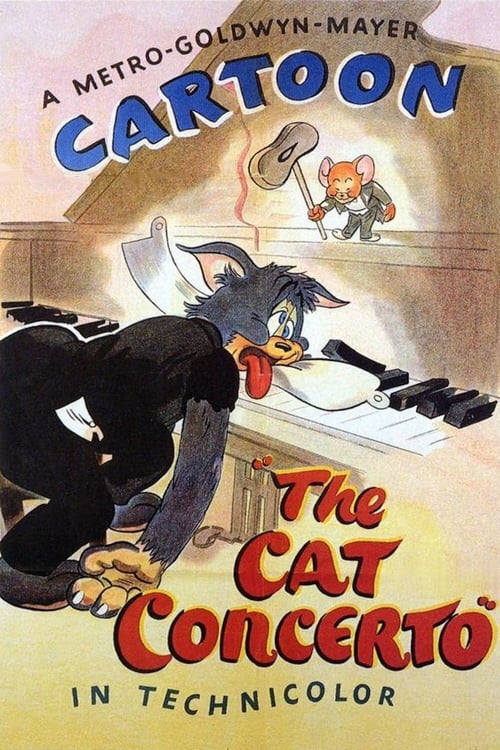
1947
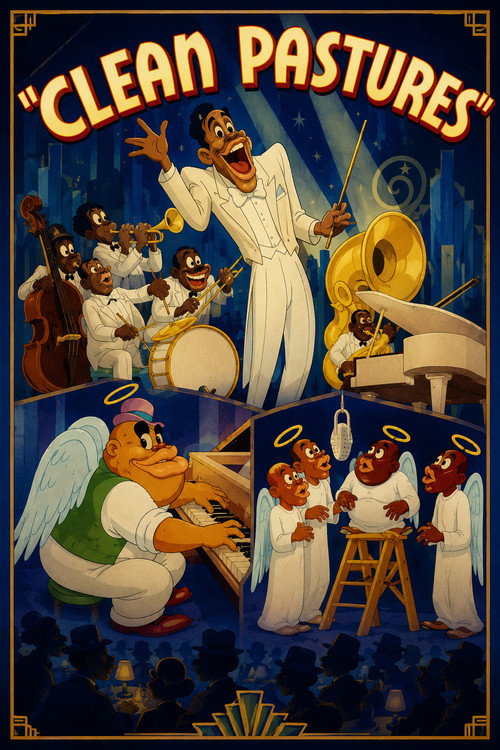
1937
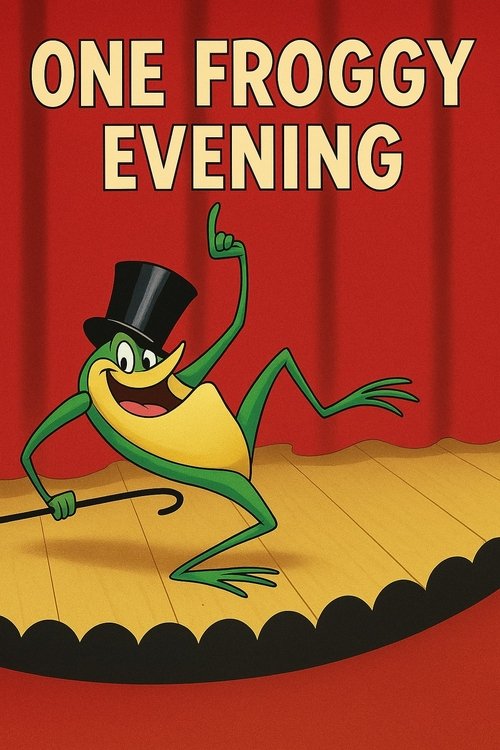
1955
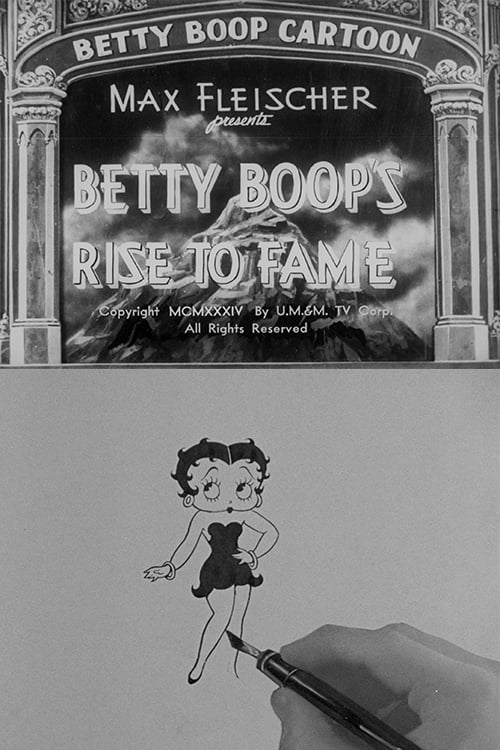
1934
1933
1931
1932

1933
No reviews yet. Be the first to share your thoughts on this movie!
Use the rating form above to leave a star rating and optional review.