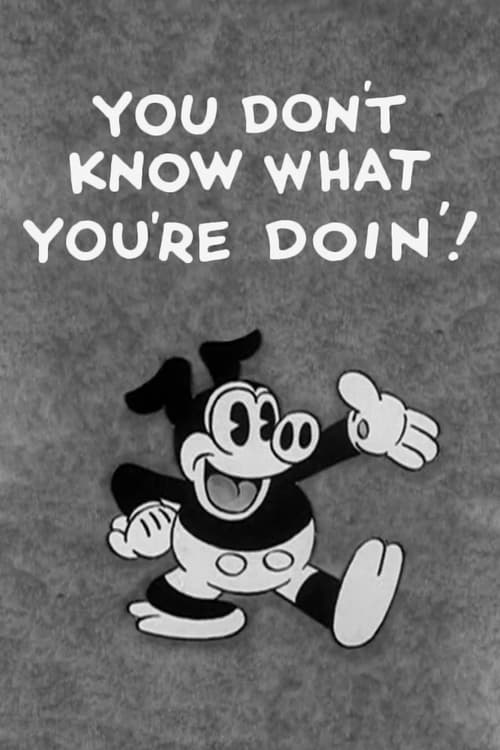
You Don't Know What You're Doin'!
1931
No user ratings available yet
Representation score: 1.5 out of 10
Representation Score
Minimal
1932
NRDirector
Wilfred Jackson
Runtime
7 minutes
Average Rating
No ratings yetNew Showbiz Analysis
This 1932 short serves as a historical artifact of early animation, emphasizing musical comedy and synchronized sound over social complexity. The narrative structure adheres to traditional social norms and standard character archetypes of the time. While Ragtime music adds a specific cultural touch, the film lacks depth in representing diverse identities and perspectives. The character dynamics and plot progression align with the conventional hierarchies and gender roles prevalent in the early 20th century.
Category Breakdown
The film does not include any LGBTQ+ characters or non-cisgender identities. It focuses on standard comedic elements typical of the early 1930s.
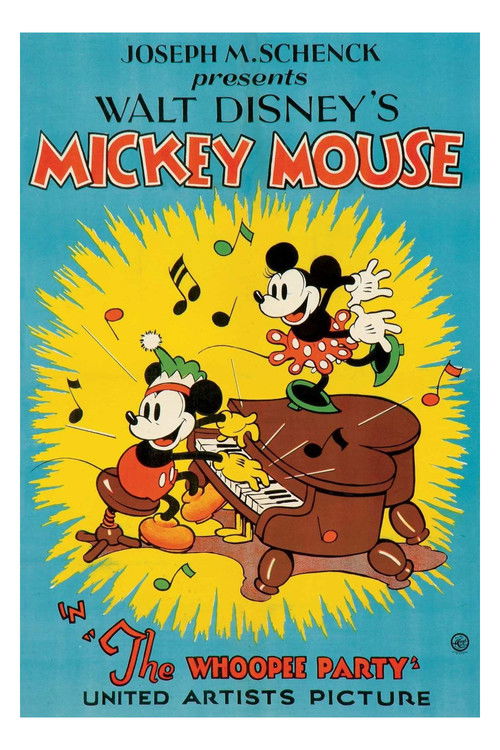
Minnie Mouse appears through her musical role on the piano. However, the main plot and comedic actions are driven by male characters.
Using anthropomorphic animals avoids direct human racial depictions. However, the characters remain within the homogeneous archetypes common to the era's social hierarchies.
Scott Joplin’s Ragtime music introduces a specific cultural element. The narrative upholds traditional social structures and conventional merriment without questioning Western institutions.
There are no characters with visible or invisible disabilities. No characters are used as plot devices related to physical or mental health issues.
Present on Screen
Limited or Absent
Official Synopsis
A house party. While Minnie plays piano and the guests dance, Mickey, Goofy, and Horace prepare a snack, which is brought out to much fanfare and immediately devoured. A band forms and plays Scott Joplin's The Entertainer; Mickey dances with Patricia Pig and various inanimate objects also dance, while all cry "Whoopee!" from time to time. The police come to break up the party.
1931
1933
1932
1931
1931

1928
1929

1930
No reviews yet. Be the first to share your thoughts on this movie!
Use the rating form above to leave a star rating and optional review.