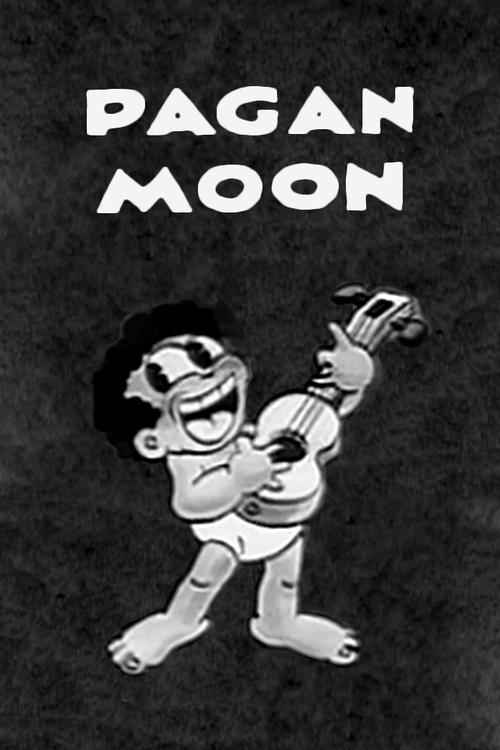
Pagan Moon
1932
No user ratings available yet
Diversity score: 3.2 out of 10
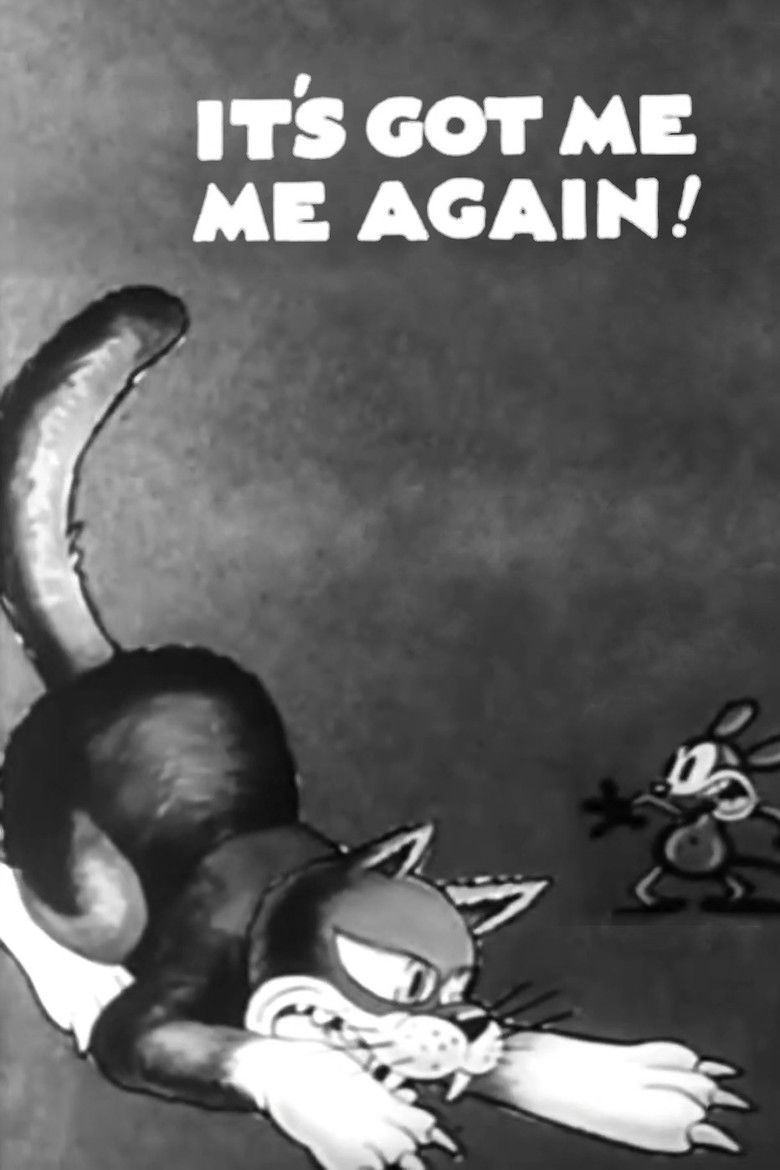
1932
Director
Rudolf Ising
Runtime
7 minutes
Average Rating
No ratings yetSynopsis
Late at night, the mice come out and sing and play to the title tune, among others. That is, until the cat arrives, but he's quickly sent packing.
Overall Score
Limited
Category Breakdown
LGBTQ+ Representation
The narrative focuses on a traditional conflict between mice and a cat. There is no evidence of non-cisnormative gender identities or depictions of same-sex intimacy.
Gender Representation
The film follows a standard predator-prey dynamic. It lacks character arcs involving female-coded characters or any subversion of traditional gendered hierarchies.
Racial & Ethnic Diversity
The story centers on anthropomorphic animals within the historical constraints of 1932. There is no evidence of deliberate racial or ethnic representation.
Religious & Cultural Diversity
This is a standard escapist musical comedy. It reinforces traditional structures of order and lacks anti-Western or secularist themes.
Disability Representation
The film provides no information regarding characters with visible or invisible disabilities. No disability is used as a plot device.
Strengths
Areas for Improvement
AI Analysis
This 1932 short is a period-typical piece of musical comedy that relies on established comedic archetypes. The storytelling focuses on rhythmic, musical-driven physical comedy rather than complex social narratives. The film operates within the historical constraints of early American animation. It lacks the intentionality needed to disrupt traditional hierarchies or provide meaningful intersectional representation. Ultimately, the work functions as a simple predator-prey narrative. It prioritizes escapism and slapstick over diverse character development or identity-based storytelling.
1932
1931
1988
1932
1932

1933

1931

1931
1933

1932
No reviews yet. Be the first to share your thoughts on this movie!
Use the rating form above to leave a star rating and optional review.