I Like Mountain Music
1933
No user ratings available yet
Representation score: 0.3 out of 10
Representation Score
Minimal
1932
Director
Rudolf Ising
Runtime
7 minutes
Average Rating
No ratings yetNew Showbiz Analysis
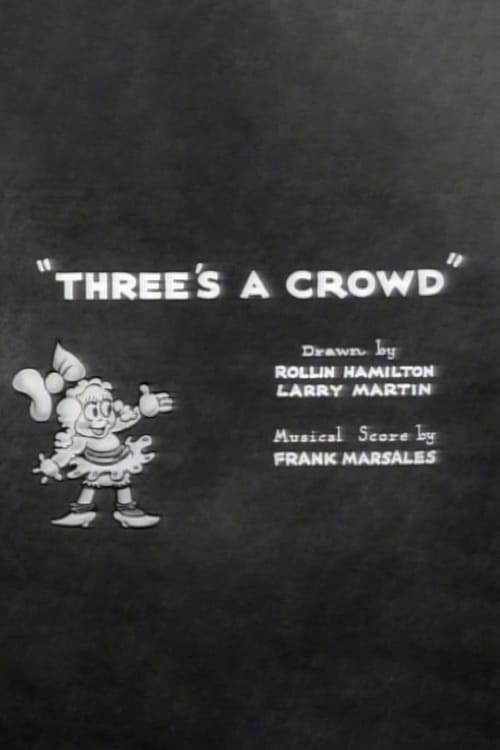
Three's a Crowd is a mix of literary and historical icons presented in a whimsical, surreal style. While it features many characters, they are mostly used as recognizable stereotypes rather than complex individuals. The film uses the social norms of the 1930s, including racial stereotypes and sexualized female characters. These elements support the social hierarchies of the time without challenging them. Overall, the film serves as a historical artifact of early animation, reflecting the dominance of Western cultural norms and traditional gender roles in its narrative.
Category Breakdown
The film doesn't show any LGBTQ+ identities or same-sex relationships. It follows the assumption that everyone is straight or cisgender, which was common in early 20th-century animation.
Female characters like Alice and Cleopatra appear, but they are shown through traditional stereotypes. Cleopatra performs a seductive dance that emphasizes her sexuality.
Uncle Tom is depicted singing a spiritual song, which is a stereotype from the 1930s. This portrayal is more of a historical caricature than a nuanced character.
The story includes references to Western literary and historical figures but doesn’t offer any critique of social systems. Instead, it reinforces traditional Western narratives.
There are no characters with visible or invisible disabilities. None of the characters are shown taking active roles or used as plot devices.
Present on Screen
Limited or Absent
Official Synopsis
An old man is reading a book by the fire. The clock strikes 8, and he heads off to bed. From his book, Alice in Wonderland, out crawls Alice, who turns the radio to the title tune. This wakes up Rip Van Winkle; Alice then rouses the Three Musketeers, who sing a bit. Next tune: Nero fiddles, Rome burns, and Cleopatra sizzles in a slinky dance. Uncle Tom sings a spiritual as Mr. Hyde sneaks up and abducts Alice. Tarzan to the rescue, along with several other characters who mount a spirited attack using such office supplies as pen points, matches, and a fountain pen. They box him up and carry him off.
1933
1936
1936
1930
1932
1940
1943
1936
No reviews yet. Be the first to share your thoughts on this movie!
Use the rating form above to leave a star rating and optional review.