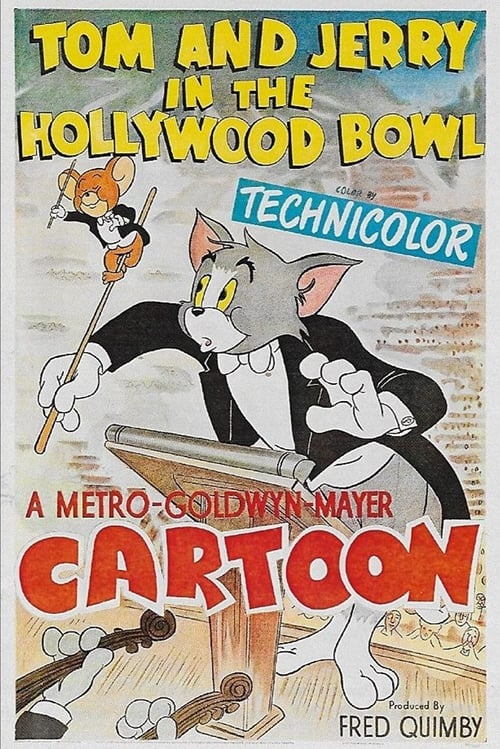
The Hollywood Bowl
1950
No user ratings available yet
Representation score: 1.1 out of 10
Representation Score
Minimal
1931
Director
Rudolf Ising
Runtime
7 minutes
Average Rating
No ratings yetNew Showbiz Analysis
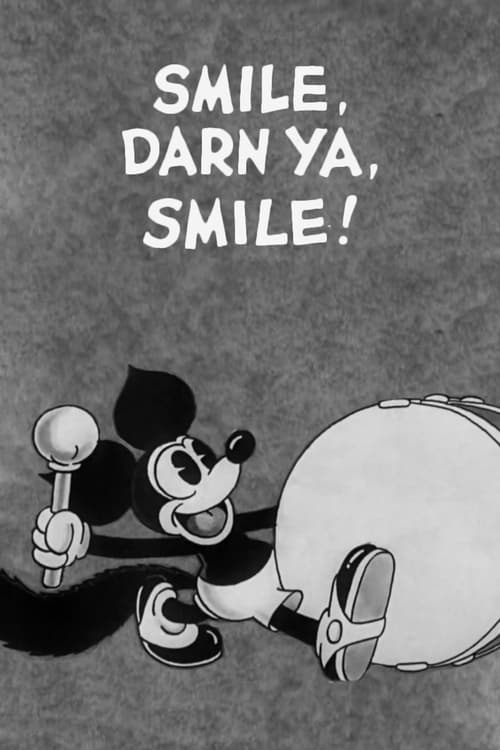
This 1931 musical short prioritizes rhythmic gag comedy and slapstick over character-driven narratives. The plot centers on a streetcar conductor navigating physical obstacles, which limits opportunities for exploring identity. The film reflects the era's standard animation clichés, utilizing anthropomorphic animals and socioeconomic archetypes like hobos. While these elements provide musical texture, they do not challenge social hierarchies or offer layered diversity. Ultimately, the work functions as period-specific entertainment. It lacks the intentionality needed to address complex social identities, focusing instead on the mechanics of a runaway train and musical integration.
Category Breakdown
The film focuses on anthropomorphic animals and a streetcar conductor in a slapstick setting. There are no depictions of non-straight or non-cisgender identities or same-sex relationships.
Characters like Foxy, the hippo, and the cow serve functional comedic roles. The film lacks any challenge to gender hierarchies, focusing instead on physical comedy.
The cast consists primarily of anthropomorphic animals. The film relies on standard comedic ensembles typical of the 1930s, lacking diverse ethnic representations or race-bent casting.
The setting features urban elements like streetcars and includes singing hobos. This introduces socioeconomic elements, but they serve musical entertainment rather than social critique.
No characters with physical or neurodivergent disabilities are portrayed with much control over their own stories. Obstacles like the cow and hippo function as plot impediments rather than nuanced representations.
Present on Screen
Limited or Absent
Official Synopsis
A streetcar conductor, Foxy has adventures with a would-be passenger hippo, a cow blocking the tracks, and a runaway train while Foxy, his passengers, and some hobos sing the title song.
1950
1935
1936

1934
1934
1940
1937

1935
No reviews yet. Be the first to share your thoughts on this movie!
Use the rating form above to leave a star rating and optional review.