
It's Got Me Again!
1932
No user ratings available yet
Representation score: 1.4 out of 10
Representation Score
Minimal
1931
TV-Y7Director
Rudolf Ising
Runtime
7 minutes
Average Rating
No ratings yetNew Showbiz Analysis
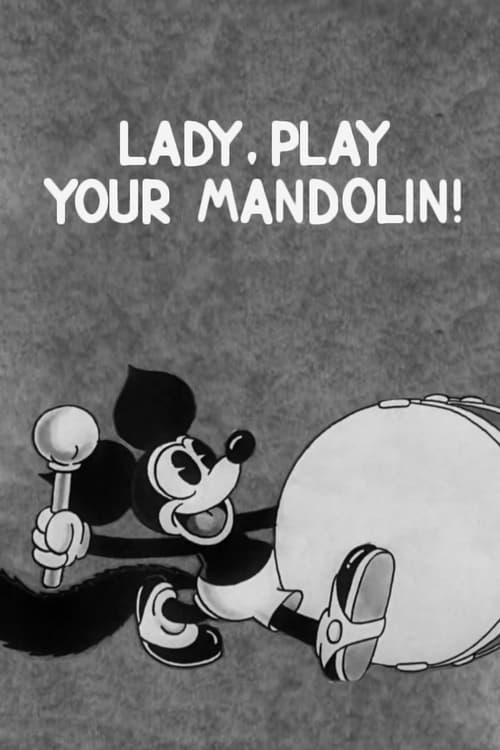
Lady, Play Your Mandolin! is a product of the early 1930s animation era, prioritizing slapstick and archetypal comedy over social complexity. The film relies on established clichés, such as the exoticized cafe setting, which lack authentic cultural depth. Representation is minimal, with the narrative centering on traditional entertainment structures. The characters appear to function as caricatures or spectacles rather than individuals with diverse identities. Ultimately, the work reflects the historical production standards of Fleischer Studios-era animation, where multi-layered narratives and systemic subversion were not part of the creative mandate.
Category Breakdown
The film does not include any characters with non-binary gender identities or same-sex relationships. The main character, Foxy, performs in a cafe setting.
Female characters may serve primarily as objects of spectacle rather than as active drivers of the plot. The way Foxy performs suggests a traditional performance style typical of 1931 animation.
The Mexican cafe setting likely functions as a decorative backdrop. During this time period, such settings often relied on exoticism or caricature instead of authentic cultural representation.
The film adheres to the standard commercial entertainment formats of the early sound era. It lacks any exploration of Western institutions or nuanced cultural themes.
There is no indication of characters with physical, sensory, or neurodivergent traits. The documentation does not mention any representation of disabilities.
Present on Screen
Limited or Absent
Official Synopsis
Things are hopping at a certain Mexican cafe and then Foxy walks in and the customers go really wild.
1932
1931
1930
1933
1932
1942
1932
1933
No reviews yet. Be the first to share your thoughts on this movie!
Use the rating form above to leave a star rating and optional review.