
Libero Burro
1999
No user ratings available yet
Representation score: 2.2 out of 10
Representation Score
Fair
1989
Director
Ettore Scola
Runtime
110 minutes
Average Rating
No ratings yetNew Showbiz Analysis
Splendor is a historical film that celebrates community cinema while focusing on political and institutional critiques. It successfully portrays the professional resilience of women and the impact of totalitarianism on the arts. However, the film remains limited by its historical context, offering little in terms of racial, LGBTQ+, or disability representation. The narrative centers on the economic and social decline of a theater rather than diverse identity issues. Ultimately, the film serves as a sophisticated social commentary on systemic oppression and the loss of cultural identity, despite its narrow demographic focus.
Category Breakdown
The film doesn't include any stories about LGBTQ+ individuals or explore non-straight identities. It focuses on economic survival rather than sexual identity.
Women are shown taking control through their work struggles in the entertainment industry. The film highlights their resilience and dignity in a male-dominated world.
Set in 1930s Italy, the cast reflects the demographic uniformity of the time. The story doesn't explore multi-layered racial dynamics or diverse casting.
The film provides a strong critique of Fascism and the rise of consumer capitalism. It looks at how political and commercial changes affect cultural heritage.
There are no prominent portrayals of physical or neurodivergent disabilities. Characters face socioeconomic challenges but there are no specific disability-focused stories.
Present on Screen
Limited or Absent
Official Synopsis
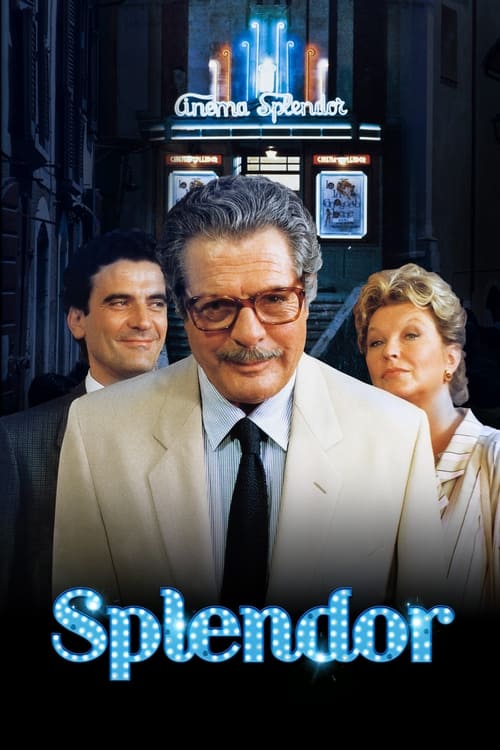
Splendor is the name of an old movie theater managed by Jordan, who inherited it from his father. The theater is in decay and only generates debts and trouble, but Jordan gets aid in his almost Quixotian quest from projectionist Luigi and ushurette Chantale.
1999

1991
2013
1983
2016

1982
2010
2002
No reviews yet. Be the first to share your thoughts on this movie!
Use the rating form above to leave a star rating and optional review.