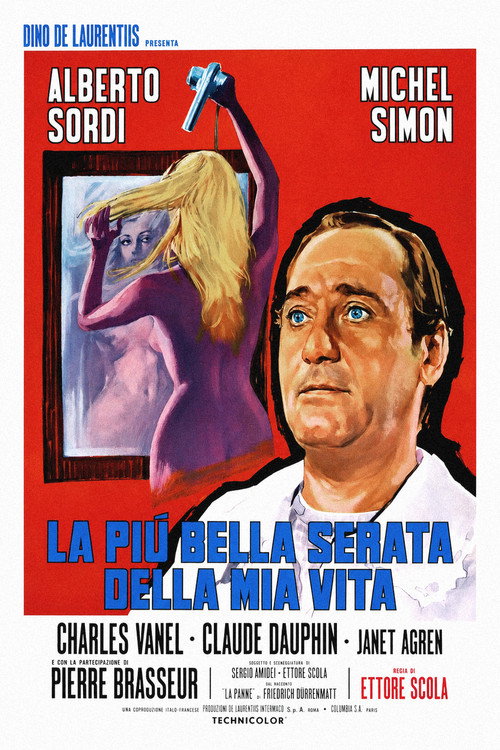
The Most Wonderful Evening of My Life
1972
No user ratings available yet
Diversity score: 2.5 out of 10

1971
RDirector
Ettore Scola
Runtime
102 minutes
Average Rating
No ratings yetSynopsis
Rocco Papaleo, an optimistic and kind man from a mining town in Alaska, gets away from his company during a trip to Chicago and is increasingly disillusioned in the face of the city's hostility.
Overall Score
Limited
Category Breakdown
LGBTQ+ Representation
The film adheres to the heteronormative social structures of 1970s Italian provincial life. There is no evidence of queer narratives or non-cisnormative identities present.
Gender Representation
The narrative centers on a male protagonist navigating a male-dominated social hierarchy. It does not explicitly subvert traditional gender roles or elevate female intellect.
Racial & Ethnic Diversity
The setting and cast reflect a high degree of ethnic homogeneity. The film functions within a localized, Eurocentric framework without diverse ethnic backgrounds.
Religious & Cultural Diversity
Scola critiques the absurdity of small-town social structures and communal conformity. However, religion remains a standard cultural backdrop throughout the story.
Disability Representation
There is no evidence of characters with visible or invisible disabilities. The focus remains on the protagonist's social eccentricity rather than lived experiences of disability.
Strengths
Areas for Improvement
AI Analysis
Ettore Scola’s film is a work of social commentary that prioritizes the deconstruction of provincial norms over demographic intersectionality. It engages deeply with class dynamics and the friction between individuals and the collective. While the film intellectually challenges communal authority, it remains rooted in the traditional casting and gendered frameworks of its era. The narrative lacks modern markers of intersectional representation and diverse identity-based agency. Ultimately, the film functions as a localized critique of social structures rather than a diverse or inclusive character study.
1972
1953
1964
1968
1972
1990
1974
1997
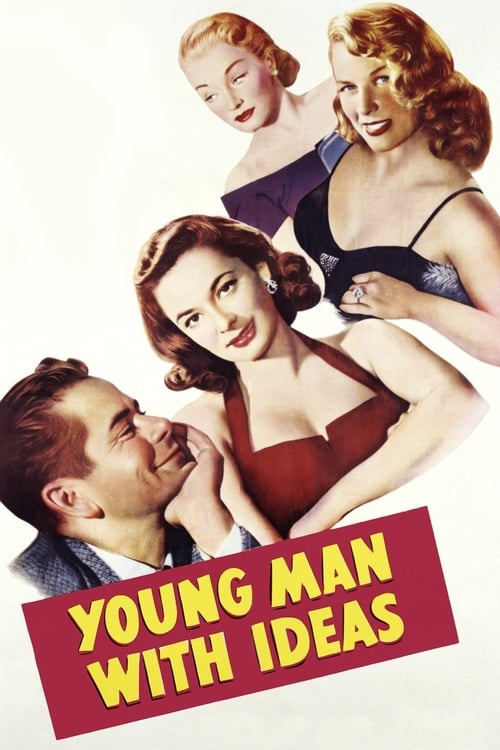
1952
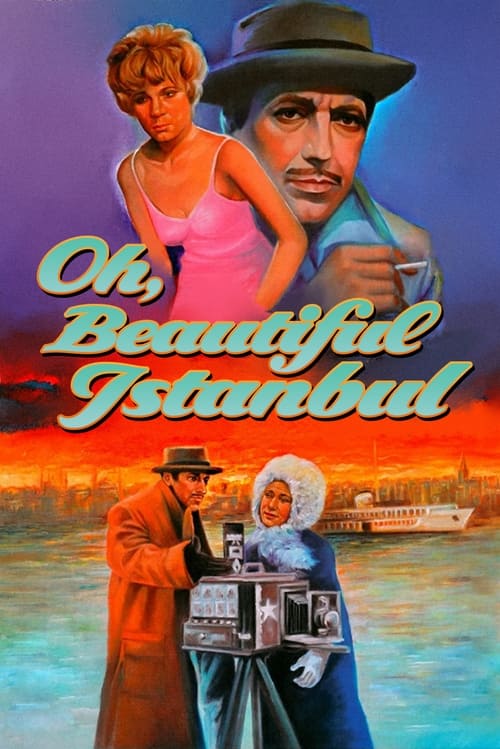
1966
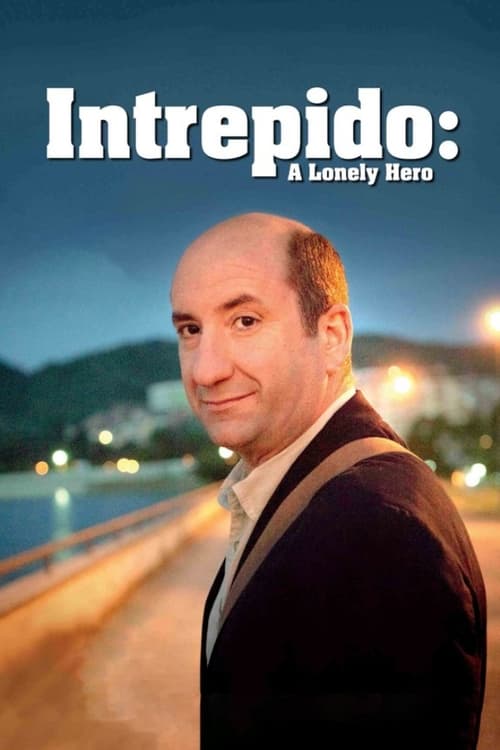
2013
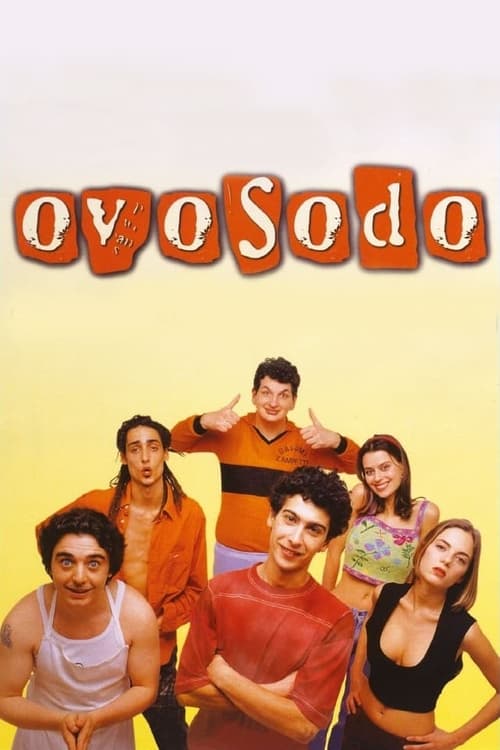
1997
No reviews yet. Be the first to share your thoughts on this movie!
Use the rating form above to leave a star rating and optional review.