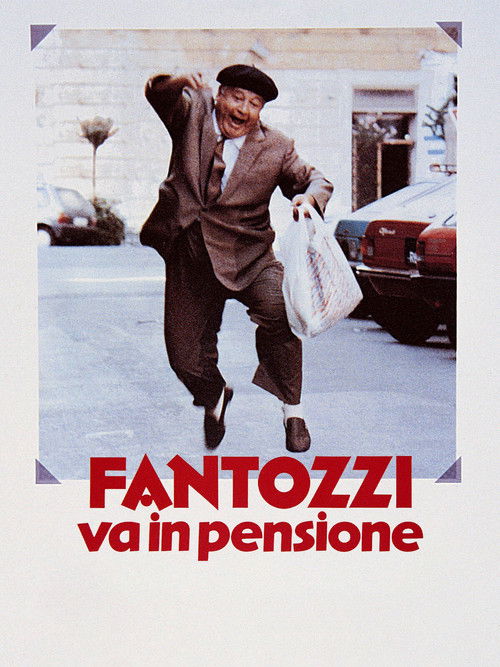
Fantozzi Retires
1988
No user ratings available yet
Representation score: 3.1 out of 10
Representation Score
Fair
1996
Director
Neri Parenti
Runtime
97 minutes
Average Rating
No ratings yetNew Showbiz Analysis
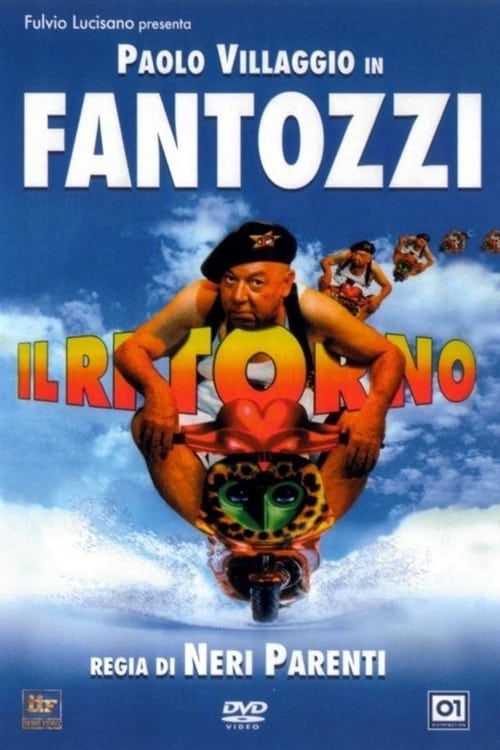
Fantozzi The Return is a socio-economic satire that prioritizes the dismantling of social hierarchies over identity-based representation. Its narrative strength lies in its aggressive critique of corporate bureaucracy and the dehumanizing nature of capitalist structures. While the film excels at cultural commentary regarding systemic corruption, it falls short in providing meaningful demographic diversity. The cast remains largely homogeneous, and the social framework adheres to traditional domestic and straight-centered norms. Ultimately, the film operates as a postmodern study of the 'oppressed individual' navigating a corrupt world, rather than a work designed to challenge racial, gender, or queer stereotypes.
Category Breakdown
The film does not include any LGBTQ+ characters or explore non-straight relationships. The social structure focuses on traditional family life without addressing queer identities.
Gender dynamics are examined through satire, depicting the protagonist's masculinity as exaggerated and ineffective. Female characters such as Maria are confined to traditional domestic roles with limited influence.
The story centers on a homogeneous Italian community. It focuses on class struggle within a specific urban environment, without significant exploration of diverse racial or ethnic backgrounds.
The film strongly criticizes Western institutions, targeting corporate bureaucracy and capitalist systems. It portrays individuals as victims of an indifferent, oppressive social hierarchy.
The protagonist's physical awkwardness serves as a comedic element. While not a central disability storyline, his struggles are framed through socioeconomic hardship rather than specific impairments.
Present on Screen
Limited or Absent
Official Synopsis
Ugo Fantozzi has been ejected from Heaven and is sent back to Earth for a short period of time until the staff in Heaven can get Fantozzi a place there. Fantozzi goes through a variety of unfortunate experiences, such as rescuing his retro punk granddaughter Uga, and having to pay a vast telephone bill due to frequent chat line conversations. He ends up getting arrested instead of his ex-boss, who was originally charged with corruption. Just as he is about to enjoy the World Cup Final with Italy, he is called back into Heaven. Can he find peace once again?
1988
1983

1993

1980
1990
1999
1955
1998
No reviews yet. Be the first to share your thoughts on this movie!
Use the rating form above to leave a star rating and optional review.