
Incontri proibiti
1998
No user ratings available yet
Representation score: 2.9 out of 10
Representation Score
Good
1985
PGDirector
Ettore Scola
Runtime
104 minutes
Average Rating
No ratings yetNew Showbiz Analysis
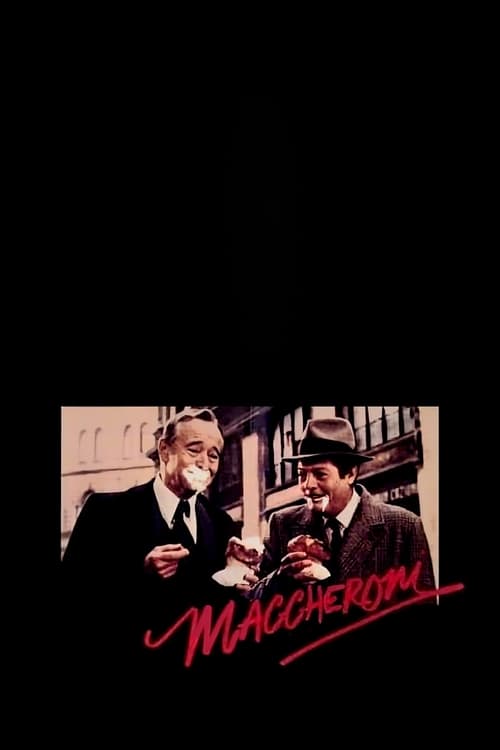
Ettore Scola’s *Macaroni* is a sophisticated historical examination that uses the rise of Fascism to deconstruct traditional social structures. Unlike a romanticized period piece, it delves into how totalitarianism erodes individual ability to act and dismantles the stability of the nuclear family and religious institutions. The film excels in its intellectual exploration of power dynamics. It shows how state-imposed structures can be weaponized during political transitions, providing a nuanced view of how social norms break down under pressure. However, the film lacks contemporary identity markers such as LGBTQ+ identities or disability narratives, and its racial composition reflects the demographics of the time.
Category Breakdown
The film centers on traditional relationships in the socio-political context of the 1930s. It does not include explicit representations of LGBTQ+ identities or narratives that challenge the assumption that everyone is straight or cisgender.
Political turmoil disrupts traditional gender roles, as characters adapt to new roles driven by survival and political necessity rather than conventional hierarchies.
The cast primarily consists of actors representing the demographic makeup of 1930s Italy. It provides a realistic portrayal of the socioeconomic diversity within Italian society.
The narrative critiques the Fascist regime using an anti-authoritarian perspective. It emphasizes individual experiences over glorifying nationalistic or institutional power.
There is no significant depiction of neurodivergence or physical disabilities in the film. The focus remains on the psychological impact of political changes.
Present on Screen
Limited or Absent
Official Synopsis
An American businessman returns to Italy for the first time in four decades, only to discover that an old girlfriend of his, along with her brother, have involved him in a massive hoax.
1998

1962
1971

1972
1967

1972

1967
1963
No reviews yet. Be the first to share your thoughts on this movie!
Use the rating form above to leave a star rating and optional review.