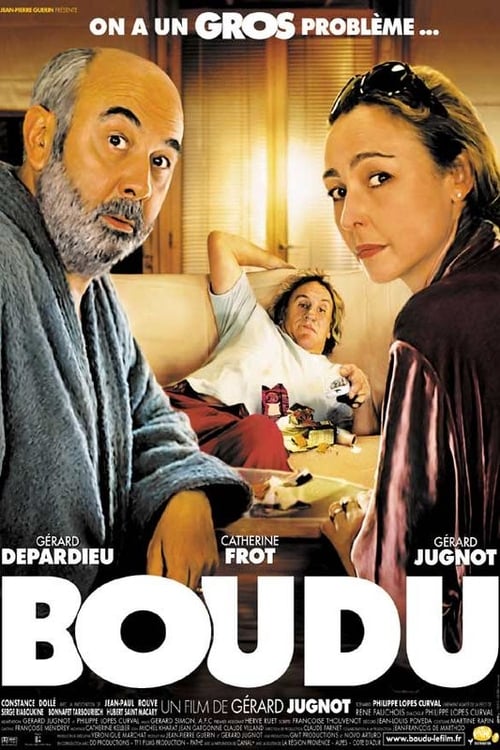
Boudu
2005
No user ratings available yet
Representation score: 4.6 out of 10

Representation Score
Limited
1991
Director
Gérard Jugnot
Runtime
96 minutes
Average Rating
No ratings yetNew Showbiz Analysis
Une époque formidable is a period-specific comedy that prioritizes nostalgic storytelling over progressive social restructuring. It functions as a character study on the deconstruction of middle-class male identity following a professional collapse. The film's primary value lies in its subtle exploration of a transition from a rigid hierarchy to a more fluid, communal social structure. However, the work remains rooted in a traditionalist framework. It lacks diverse representation regarding race, gender, and sexuality, focusing instead on the fragility of socioeconomic standing.
Category Breakdown
The film does not include explicit LGBTQ+ characters or storylines. Relationships focus on traditional romantic pairings without addressing non-traditional gender identities.
The story centers on a man's struggle to maintain a masculine image as a provider. It adheres to traditional gender roles without challenging them.
The cast is largely homogeneous, reflecting a specific era of French society. The narrative does not engage with multi-ethnic or post-colonial perspectives.
The film critiques capitalist structures by showing a descent from corporate status to a underrepresented community. It challenges traditional Western success metrics through communal survival.
There is no prominent depiction of visible or invisible disabilities. Character struggles are defined by socioeconomic status rather than physical or neurodivergent impairments.
Present on Screen
Limited or Absent
Official Synopsis
Michel Berthier, a senior executive at a mattress manufacturing company, has just been fired. As he does not dare to tell the truth to Juliette, his partner, he goes into debt to maintain the family’s standard of living, showering them with gifts. But soon he can no longer lie, and he decides to leave the house. After losing his money, his car, and his shoes, he meets Toubib, Mimosa, and Crayon, three “homeless” people who wash themselves in the restrooms at the Gare de l’Est. They take him under their wing and lead him to break into his former company in order to get sleeping bags and beds.
2005
1981
1974
1985
2003
1982

2004
1984
No reviews yet. Be the first to share your thoughts on this movie!
Use the rating form above to leave a star rating and optional review.